 Reuters
source: reuters
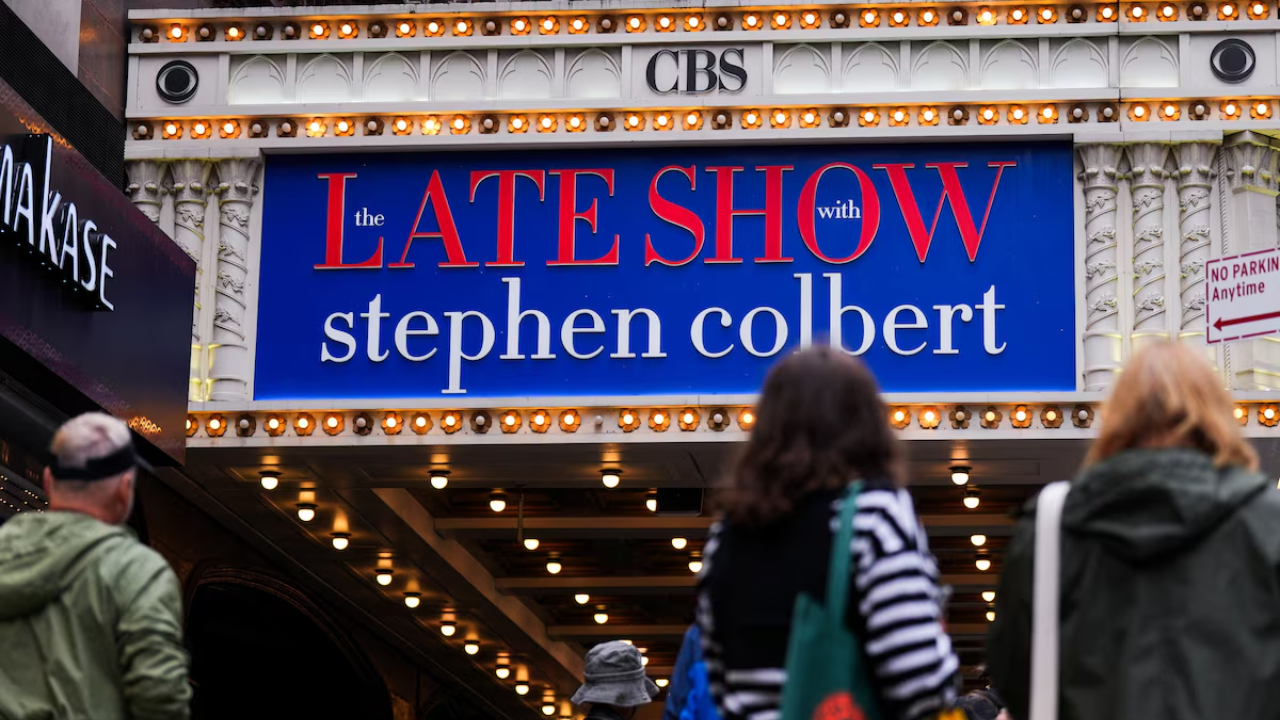
Stephen Colbert’s sign-off as the host of the CBS “The Late Show” may signal the end of a historic TV franchise, but the late-night tradition is far from dead.
Comedy is booming on podcasts, where former late-night hosts like Conan O’Brien, Chelsea Handler and Samantha Bee have all found second acts. They’re joined by established comedians like Amy Poehler, stand-up acts like Theo Von, and emerging stars like Kareem Rahma, whose celebrity interviews, opens new tab on the New York City subway have captured widespread attention.
Trevor Noah, the former host of “The Daily Show,” commands a much bigger total audience on his podcast “What Now? With Trevor Noah,” than he did on television. His podcast has attracted nearly 4.6 million subscribers on YouTube, more than 10 times higher than his Comedy Central show audience, which averaged a reported, opens new tab 372,000 viewers in his last year hosting the show.
“YouTube is fantastic. It’s a place where I get to make the shows that I want, with the people that I want, in a way that I want,” Noah said, while hosting YouTube’s upfront presentation to advertisers this month.
Compare that to late night TV where audiences have steadily declined. Fifteen years ago, top comedy programs on the networks could earn more than $100 million a year. The economics have drastically changed. Colbert’s “The Late Show,” which employed an estimated 200 people, including writers, producers, musicians and support staff, was losing as much as $40 million a year.