 Mosese Raqio
[File Photo]
The United Nations General Assembly has overwhelmingly adopted a resolution affirming the Advisory Opinion of the International Court of Justice on the legal obligations of States in relation to climate change, a landmark move strengthening the role of international law in the global climate response.
The resolution was adopted with 141 Member States voting in favour, signalling broad cross-regional support for the Court’s findings and reinforcing the growing legal and political weight of climate accountability within the multilateral system.
The ICJ had earlier clarified that States have binding obligations under international law to act with due diligence, cooperation and urgency to prevent significant harm to the global climate system. It further ruled that where States breach these obligations, they may be held legally responsible and could be required to stop the wrongful conduct, provide guarantees of non-repetition, and make full reparation depending on the circumstances.
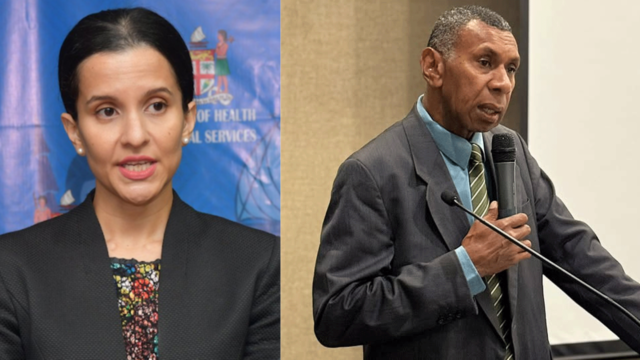
Welcoming the development, UN Resident Coordinator for Fiji, Solomon Islands, Tonga, Tuvalu and Vanuatu, Dirk Wagener, said the resolution holds deep significance for the Pacific region.
“For the Pacific, this resolution carries a particular meaning. It reflects a journey that began with Pacific youth and governments, seeking legal clarity through multilateral institutions,” Wagener said.
He said the General Assembly’s decision reaffirms the relevance of international law in addressing climate change and strengthens a global framework grounded in cooperation, equity and shared responsibility.
The resolution marks a new phase in the international response to the ICJ’s 2025 Advisory Opinion, following years of advocacy led by Pacific Island countries and young people. Their push for legal clarity culminated in March 2023 when the General Assembly unanimously requested the Advisory Opinion from the Court.
Following extensive submissions and hearings, the ICJ set out clearer expectations on State conduct in addressing climate change, underscoring obligations to prevent harm and act collectively in safeguarding the global climate system.
The adoption of the resolution adds significant political and moral weight to the Court’s opinion, further embedding it within the international framework guiding national climate responses.
The United Nations said the development reinforces its role as a platform for collective action amid an accelerating climate crisis, and pledged continued support for governments and communities across the Pacific to translate global commitments into practical outcomes for resilience, sustainable development and a just transition.