 Litia Cava
[File Photo]
Candidates will face a $100,000 campaign spending cap, while political parties will be limited to $4 million under the new political finance rules.
The annual individual donation limit to a political party will also double from $10,000 to $20,000.
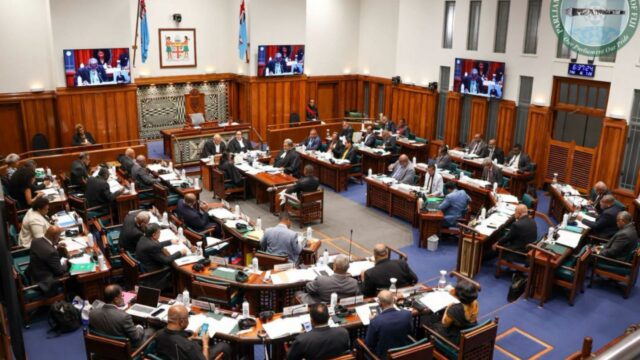
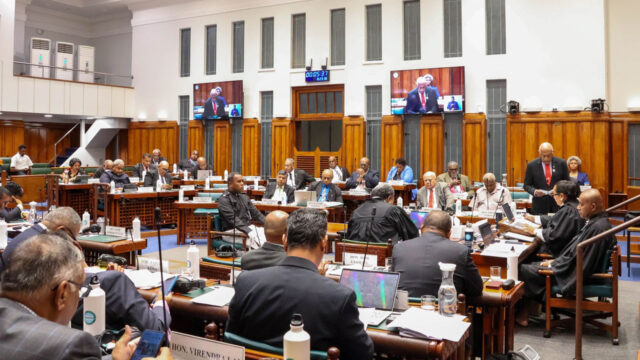
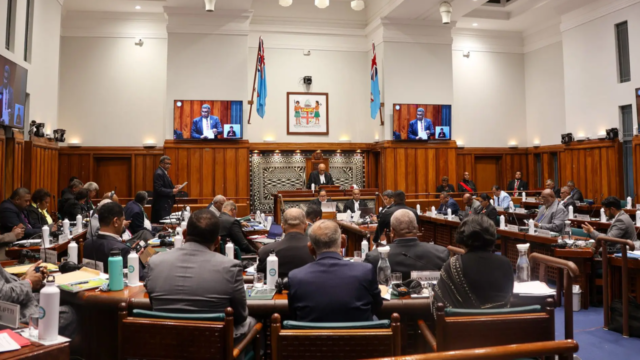
The Political Parties Registration, Conduct, Funding and Disclosures Amendment Bill 2026, Bill No. 31 of 2026, was passed by Parliament by majority after a lengthy debate over campaign spending, political donations, disclosure and enforcement.
The legislation introduces campaign spending limits that Fiji’s political parties have not previously been subject to under the existing framework.
The final limits were changed by the parliamentary committee from the figures in the original bill.
The original proposal provided for a $300,000 limit for an individual candidate and $3 million for a political party.
Following committee scrutiny, the individual limit was reduced to $100,000 while the party limit was increased to $4 million.
The annual individual donation limit was also retained but increased from $10,000 to $20,000.
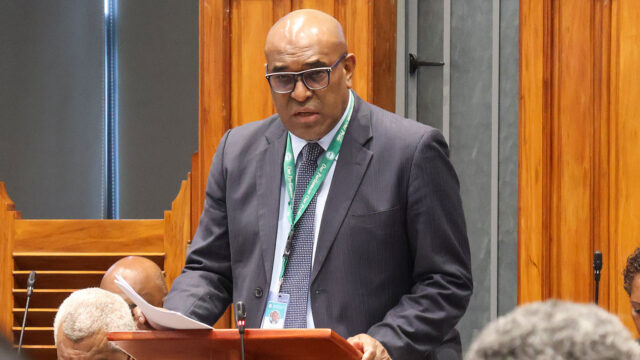
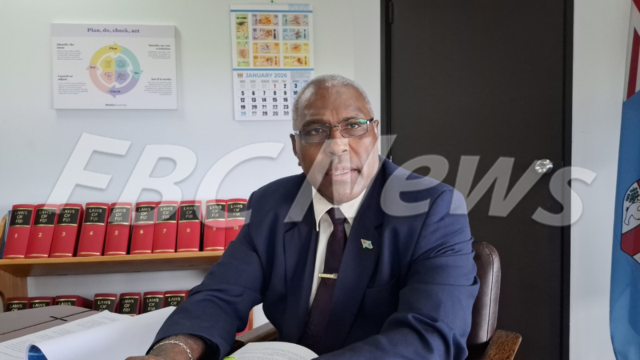
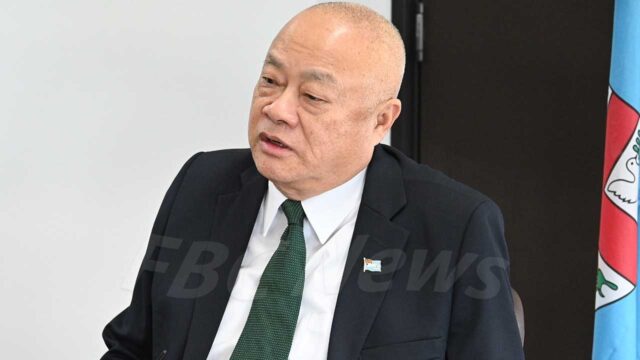
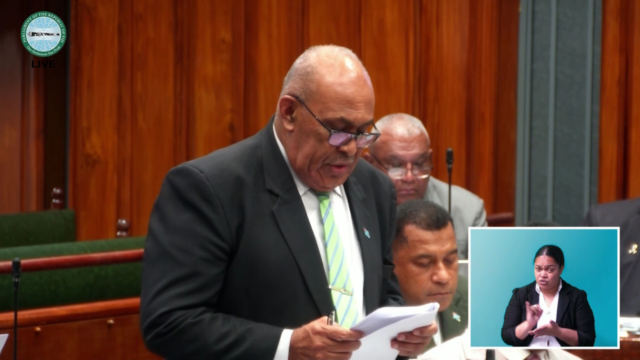
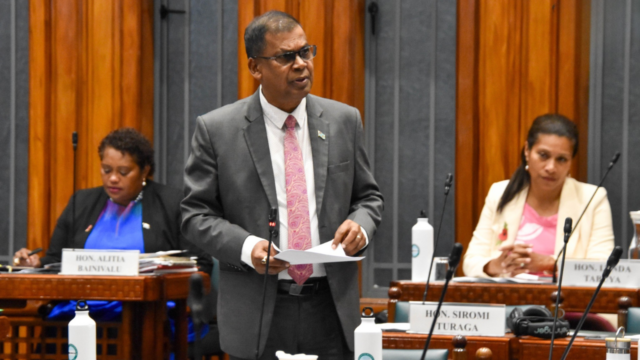
Acting Attorney-General Siromi Turaga said the legislation wass intended to modernise the regulation of political parties, improve transparency and create a more controlled framework for campaign financing.
He said the bill also aligns political party offences with the wider electoral framework by introducing the categories of corrupt electoral practice and illegal electoral practice.
Importantly, breaching the campaign expenditure limit is classified as a corrupt electoral practice, giving the spending ceilings legal force rather than making them voluntary guidelines.
The government argues the different spending limits reflect the different roles of candidates and political parties.
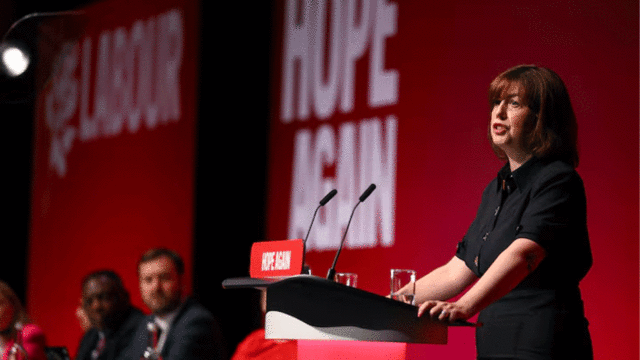
Minister for Information Lynda Tabuya said an individual candidate runs an individual campaign, while a political party must organise and communicate across the country.
She stressed that $100,000 for a candidate and $4 million for a party are maximum ceilings, not amounts candidates or parties are expected to spend.
But the interaction between the two limits became a major issue for the Opposition.
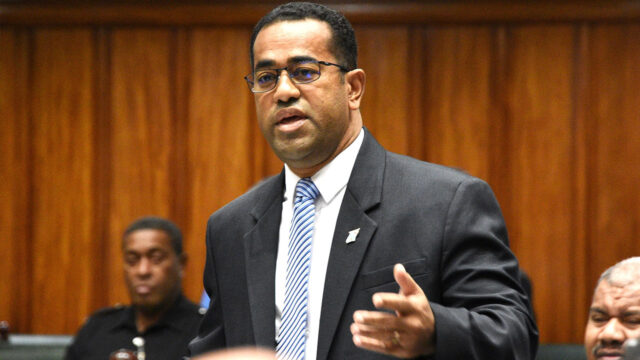
Opposition MP Faiyaz Koya pointed out that if a party had 55 candidates, the $100,000 individual limit could amount to $5.5 million across its candidates.
Combined with the party’s $4 million ceiling, that creates a potential overall spending capacity of $9.5 million for the party and its candidates, depending on how expenditure is attributed.
Koya said the $100,000 individual cap was a positive change from the original $300,000 proposal, but argued that the overall ceiling remained substantial.
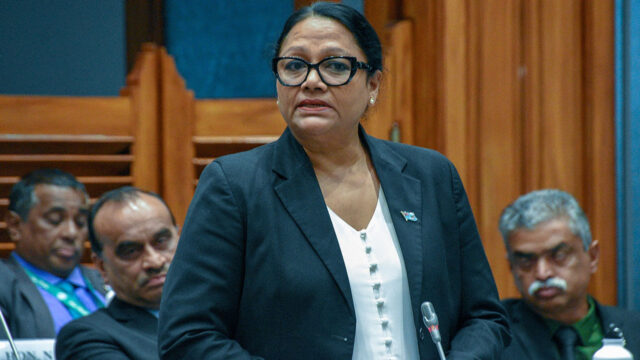
Opposition MP Premila Kumar raised a different concern and that is on how the law will distinguish between a candidate’s expenditure and money spent by the party supporting that candidate.
She said a party-backed candidate could potentially benefit from both individual campaign spending and substantial central party expenditure, while an independent candidate may not have the same organisational resources.
Kumar called for stronger anti-avoidance provisions to deal with shared expenditure, third-party spending and coordinated spending between parties and candidates.
The donation rules also changed significantly.
The original bill proposed removing the restrictions on donations from non-citizens and former citizens.
Following committee consideration, that proposal was removed.
The final bill instead retains a donation ceiling, increasing the amount an individual can donate to a political party from $10,000 to $20,000 a year.
Opposition MPs questioned that increase.
Kumar said the previous $10,000 limit had been recognised as part of Fiji’s political finance safeguards and questioned why the ceiling needed to be doubled.
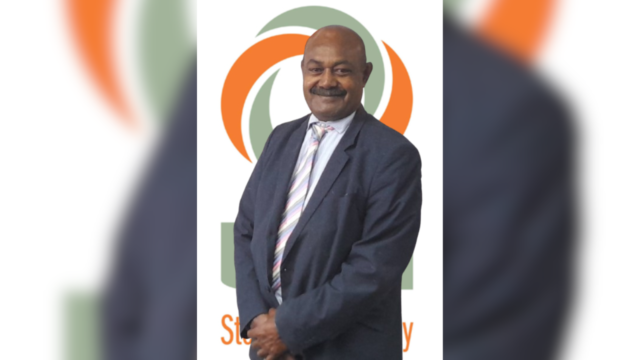
Opposition MP Jone Usamate explained that the committee rejected the original proposal to have no donation cap at all.
He said the committee considered the $10,000 limit outdated after being in place since 2014 and settled on $20,000.
The bill also requires financial disclosure from all candidates, whether they win or lose.
Candidates must disclose campaign donations, expenses and related funding within 60 days after polling day.
That requirement became one of the strongest points of contention.
Kumar argued that financial transparency is most useful to voters before they cast their ballots.
She questioned whether disclosure 60 days after polling provides voters with enough information to assess who is financing a candidate or political party before making their decision.
Usamate made the same point, warning that a candidate could already be sitting in Parliament before the public receives the required financial disclosure.
That leaves a significant distinction in the new framework: the bill strengthens mandatory reporting, but the reporting deadline comes after the election.
The bill also deals with gifts to villages and community groups during campaigns.
Kumar questioned the broad wording around gifts and whether the provision could potentially cover substantial items.
Usamate raised similar concerns, asking how gifts ranging from customary items to equipment such as a brush cutter or excavator would be treated.
Tabuya said customary protocol must be respected but must not become a way of disguising electoral inducements.
Under the proposed framework, protocol gifts are to be counted as campaign expenditure and declared, with provisions dealing with declared gifts and bribery.
She said the scope of the exemption must remain clear.
Another major change is the alignment of political party offences with the wider electoral laws.
The bill distinguishes between corrupt and illegal electoral practices, with the Government arguing that this provides greater clarity around different levels of electoral wrongdoing.
Tabuya said the previous framework did not adequately distinguish between an inadvertent regulatory mistake and more serious misconduct, meaning offences could attract similar consequences despite different levels of culpability.
She said the revised approach provides greater legal clarity.
Lands Minister Filimoni Vosarogo defended the spending caps by pointing to the previous absence of any campaign expenditure ceiling.
He said the existing system allowed parties with greater financial resources to spend significantly more than smaller parties.
Vosarogo referred to declared spending at the last election, saying one party spent about $2.8 million while another was around $900,000.
He argued that the new ceilings create a defined limit and reduce the disparity created by unlimited campaign expenditure.
The reforms also respond to recommendations from the Multinational Observer Group on campaign expenditure reporting and spending limits.
But Opposition MPs said the effectiveness of the new system will depend on enforcement.
The key questions raised in Parliament include how expenditure will be attributed when parties and candidates campaign together, how third-party spending will be captured, whether community gifts can be used as electoral inducements, and whether voters will receive financial information early enough to use it when making their decisions.
Turaga defended the legislation as a measure designed to increase transparency, accountability and confidence in political financing.
The bill was then put to a vote.
Unlike Bill No. 30, it faced opposition.
The motion was carried with 30 votes in favour and nine against, while 13 members did not vote and one abstained. Bill No. 31 of 2026 was therefore passed by a majority of members who voted.