 Riya Mala
[Photo: Supplied]
Fiji’s sugar industry needs major reform, with the Government warning that subsidies and short-term interventions cannot solve its long-standing problems.
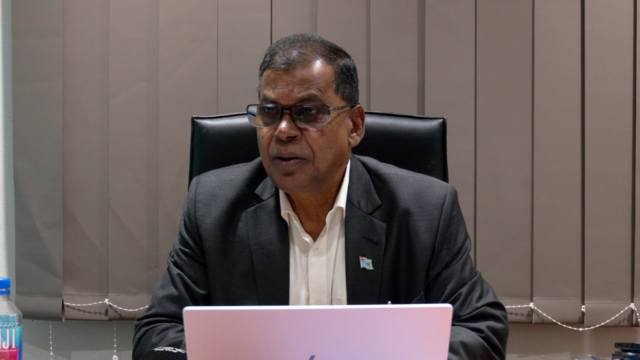
Agriculture Permanent Secretary Dr. Andrew Tukana says the industry must become more productive, commercially sustainable and resilient to climate change.
He made the submission while presenting the Ministry of Agriculture, Waterways and Sugar Industry and Ministry of Sugar Industry Annual Report 2021–2022 to the Standing Committee on Economic Affairs.
Dr. Tukana says reform is needed across the entire sugar value chain, including production, harvesting, transportation, milling, research, land use, mechanisation and value addition.
He says rising input, labour, harvesting and transport costs are putting increasing pressure on smallholder farmers, while climate events are further threatening production.
“And the recent merger of the sugar industry portfolio with the agriculture portfolio provides an important area that we can take advantage of, and these are to integrate agricultural extension services with the sugar sector to strengthen research and technology transfer and to have a better coordination mechanism, to align sugar production with water and land management, and to reduce the duplication between government agencies.”
Dr. Tukana says not every farmer or piece of land will remain economically viable for sugarcane indefinitely.
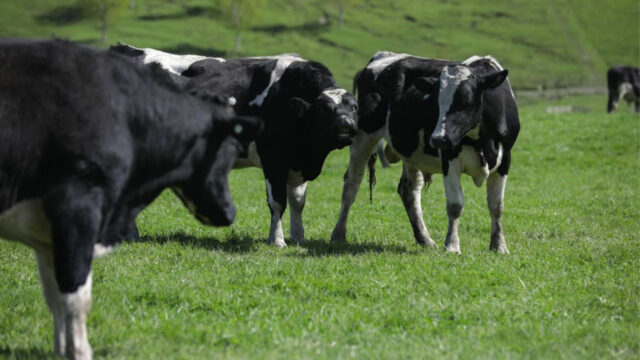
He says the Government is therefore promoting diversification, including vegetables, legumes, high-value crops, livestock and other commodities.
Intercropping, crop rotation and agro-processing are also being explored to provide farmers with alternative income sources.
An EU-funded diversification study is assessing where sugar remains commercially viable and where other crops or integrated farming systems could provide better returns.
Dr. Tukana says mechanisation is also critical as the industry faces a shortage of labour.
“And the other area where as a way forward honorable members is mechanization. We already have a lot of this happening within the agricultural portfolio, we also have a lot of that happening within the sugar portfolio. But at this point in time and we all know that there is a huge shortage of labor so I think the way for us to go forward is to have sustainable mechanization programs.”
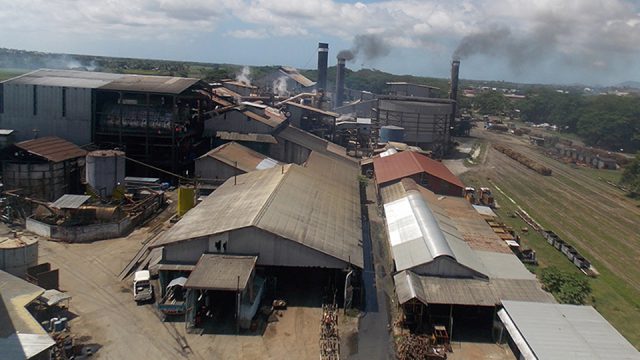
He says ageing sugar mills, poor infrastructure, transport challenges and climate threats must also be addressed.
With more than 90 percent of sugarcane transported by road, Dr. Tukana says Fiji needs a practical mix of road, rail and improved logistics.
He says climate resilience must also be prioritised through drought-tolerant varieties, better water management, drainage, soil conservation and early warning systems.
Dr. Tukana says the merger of the agriculture and sugar portfolios provides an opportunity for better coordination and stronger support for farmers.
He says the ultimate goal is a sugar industry that can stand on its own feet while giving farmers more sustainable and profitable options.