 Praneeta Prakash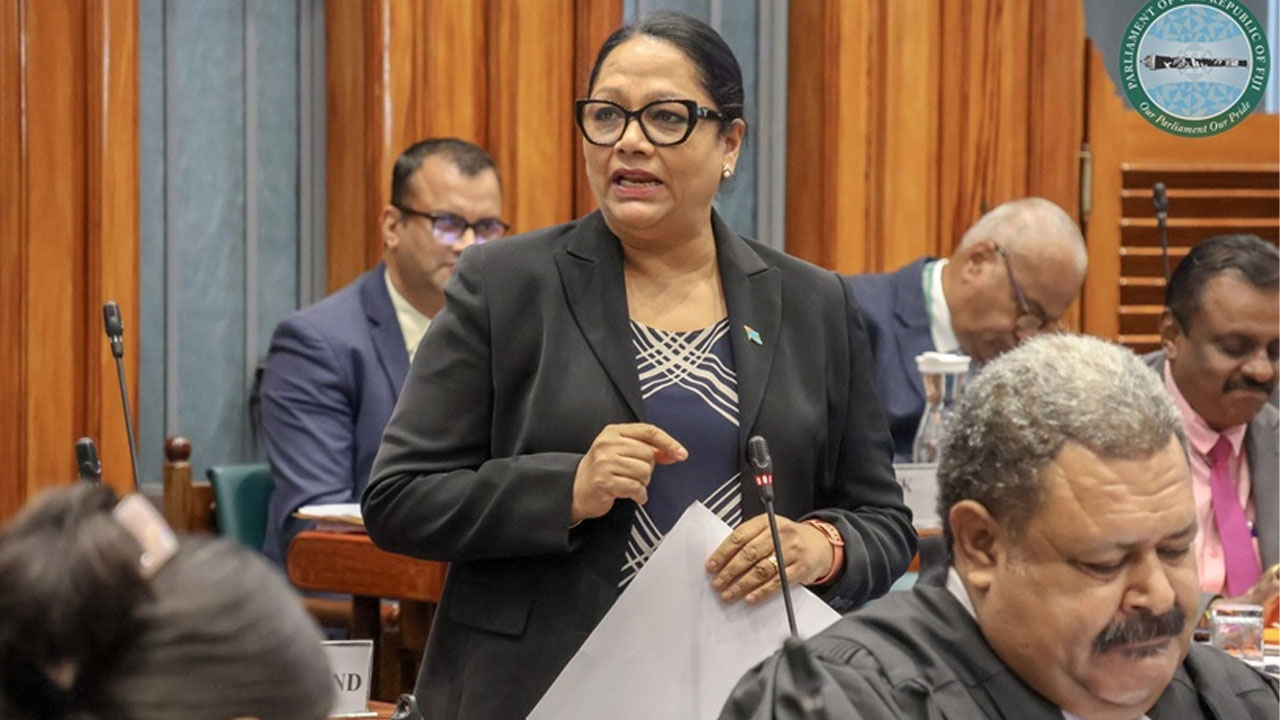
Opposition MP Premila Kumar has raised concerns about shrinkflation, warning that it is quietly increasing the cost of living for Fijians.
She says many everyday products are being reduced in size while prices remain the same, meaning consumers are paying more for less.
Kumar says that while inflation figures may show improvement, families are not feeling the difference when shopping for basic items.
She referred to findings by the Consumer Council of Fiji, which showed several household goods have decreased in quantity in recent years.
Kumar said this is especially affecting low-income families, many of whom already spend a large portion of their income on food.
“Between 2023 and 2025, several everyday products that are staples in almost every Fijian household were reduced in quantity without clear disclosure to consumers. For example, powdered milk. Powdered milk was reduced from 450 grams to 400 grams, a 11% drop, while the price per gram increased by 23 cents. Toilet paper packs fell from 1,200 sheets in a row to 800 sheets, a 33% reduction, and the cost per sheet more than doubled. Washing soap was quietly trimmed from 900 grams to 800 grams, increasing the per gram cost by around 20%. Mr. Speaker, sir, these are not small changes. These are real increases in the cost of living. And it does not stop there.”
She is now calling for better monitoring and more transparency so consumers are clearly informed when product sizes are reduced.
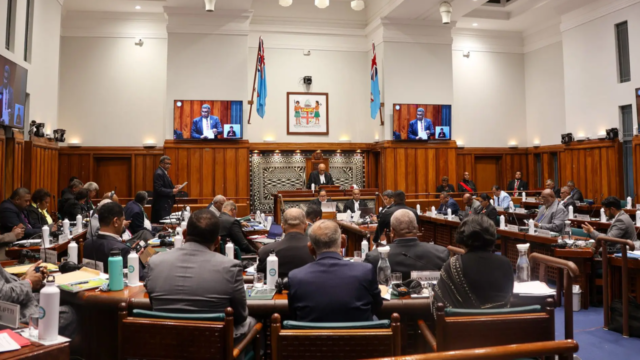
“If costs are rising, then be honest about it. Inform consumers clearly. Allow them to make informed choices. Do not hide price increases behind reduced quantities. Mr. Speaker, sir, this is where the government needs to be vigilant. When VAT changed, the government monitored price. When shrink inflation quietly reduces product size, who monitors the consumer’s loss? At present, we are monitoring prices, as I mentioned earlier on, but we are not monitoring the value through unit pricing. And that is a critical step because for the ordinary Fijian, value is what matters and that’s why we call and we say value for money.”
Member of Parliament, Professor Biman Prasad, says that the Price Monitoring Enforcement Task Force is now specifically looking into both practices to ensure businesses remain transparent.
“The Price Monitoring Enforcement Task Force, is, Mr. Speaker sir, now looking at aspects of shrinkflation and skimflation, and making sure that the businesses, the retailers, and those who are involved in that kind of practice are taken to task or provided an opportunity to correct and to provide a better process in terms of transparency in the prices and in the quality and quality of products that they put out to the consumers.”
While acknowledging the impact of these practices, Prasad stresses that many price pressures are driven by global factors beyond government control.
He pointed to rising import costs, shipping expenses, and fuel prices as key contributors, noting that even zero-rated VAT and reduced duties cannot fully offset these increases.