 Riya Mala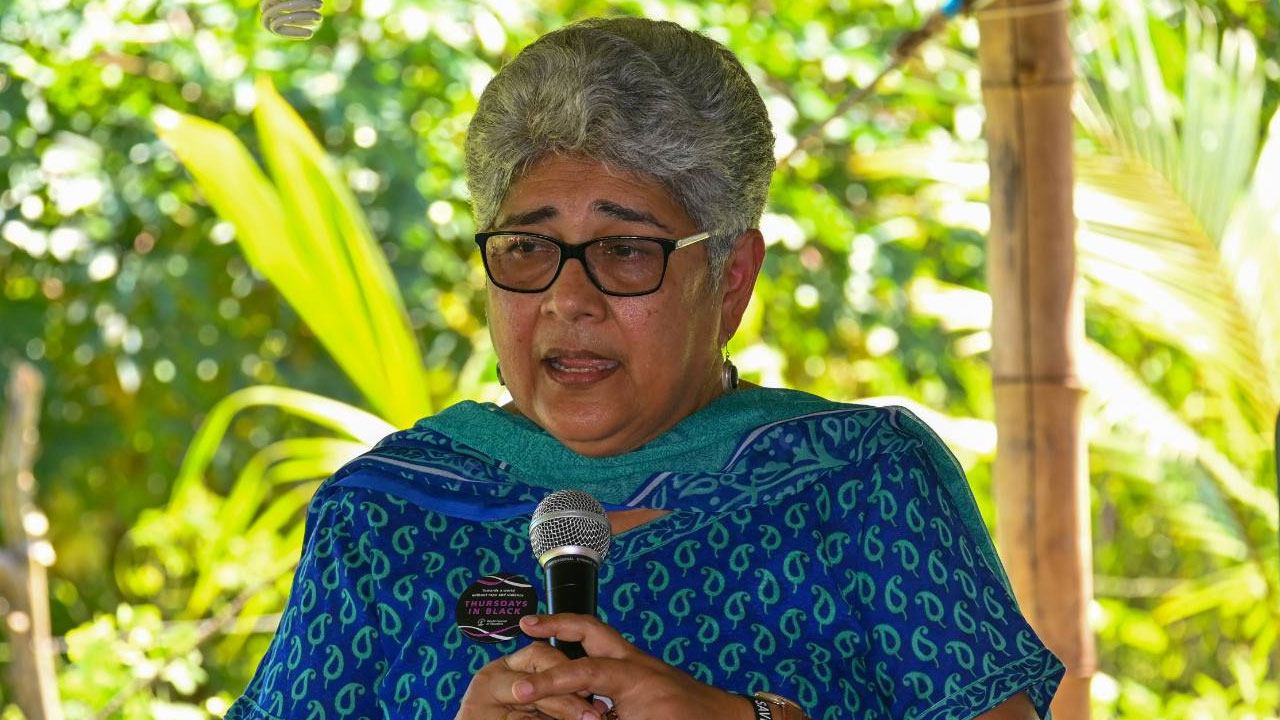
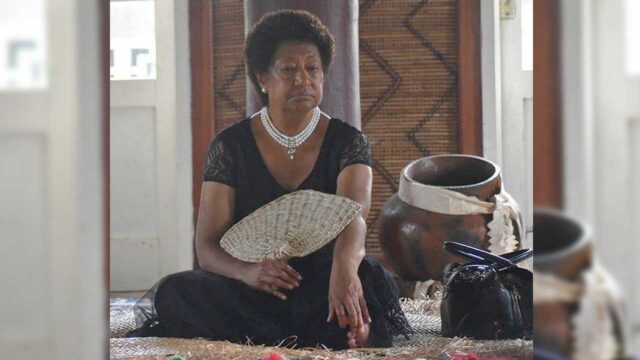
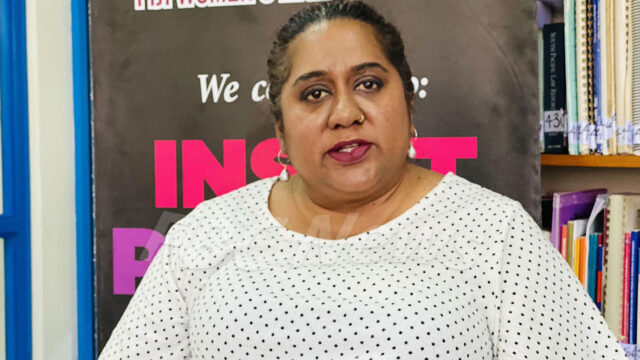
Fiji Women's Crisis Centre Coordinator Shamima Ali.[Photo: FILE]
Long-standing misconceptions that HIV is a “gay disease” continue to affect public understanding of the virus, according to Fiji Women’s Crisis Centre Coordinator Shamima Ali.
Ali says HIV was linked to gay men when it emerged in the 1980s, but data have shown that the virus affects people from diverse backgrounds.
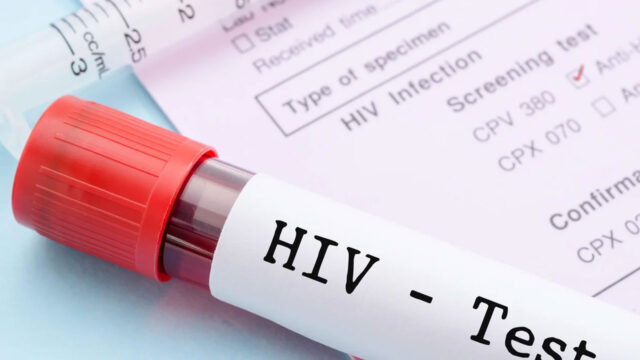
Her comments come as Fiji recorded 117 HIV-related deaths last year, with men accounting for 65.7% of cases, women 33.9%, and transgender individuals 0.4%, according to the Ministry of Health.
Ali says outdated beliefs about HIV continue to fuel stigma and distract people from the real factors driving transmission.
“And that’s because of male sexual behaviour and so on. I don’t believe, I think everything we do, whether it be drugs, whether it be HIV AIDS, is a knee-jerk solution.”
She adds that HIV prevention efforts must move beyond stereotypes and focus on education, open discussion, and evidence-based strategies.
Ali says there is a need for open conversations about gender inequalities, as many women contract HIV from their partners. She adds that HIV can also be passed from mothers to their children during pregnancy if proper interventions are not in place.
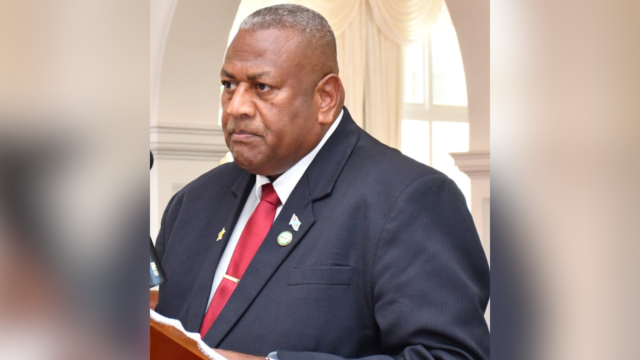
Assistant Health Minister Penioni Ravunawa says HIV can be prevented, treated, and managed if people seek medical help early.
“In 2025, 2,016 patients have HIV. It is the latest data that has been released by the Ministry of Health as of this week. And many of these patients are not accessing treatment with the replenishment of their HIV medication. It is also concerning that the age group of 20 to 24 recorded the highest number.”
As Fiji struggles with rising HIV infections, there are growing calls for increased education and public awareness based on facts and evidence.