 Mosese Raqio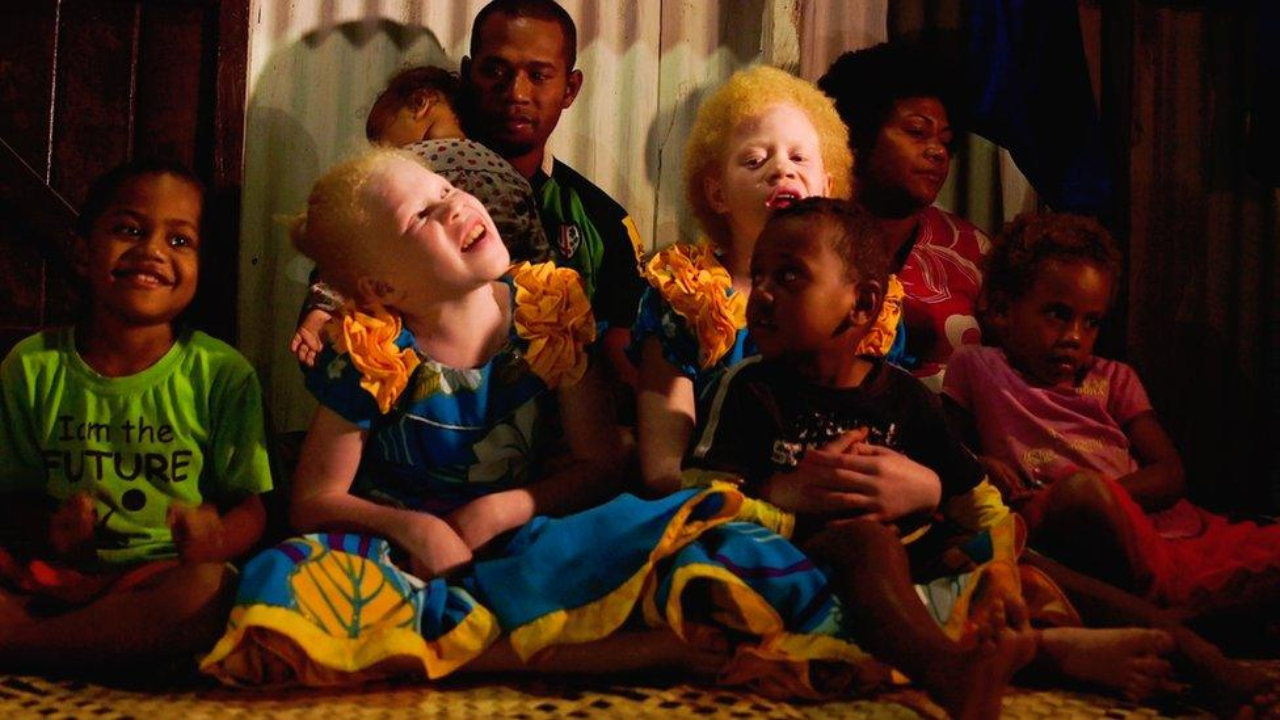
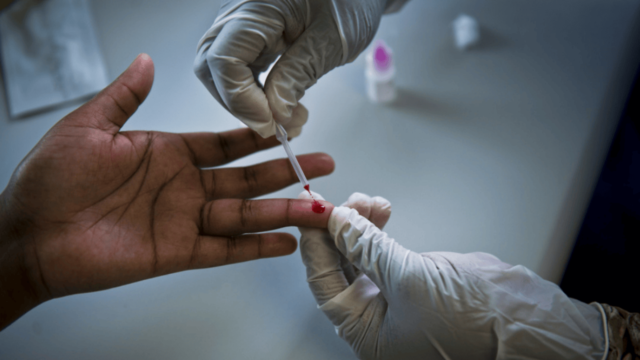
Albinism is a genetic condition - not a disease- that does not limit a person's potential. [Photo: FILE]
People with albinism in Fiji face serious health challenges, discrimination, and social exclusion, prompting calls from health officials and advocates for greater public support.
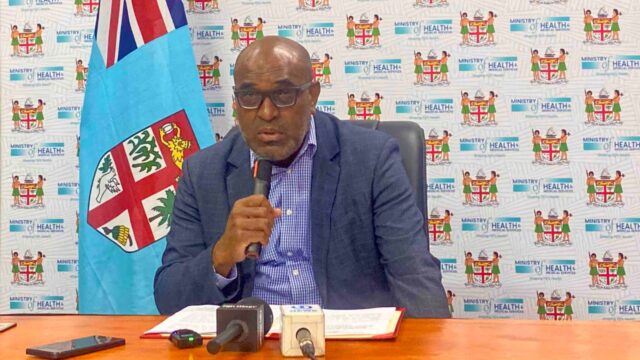
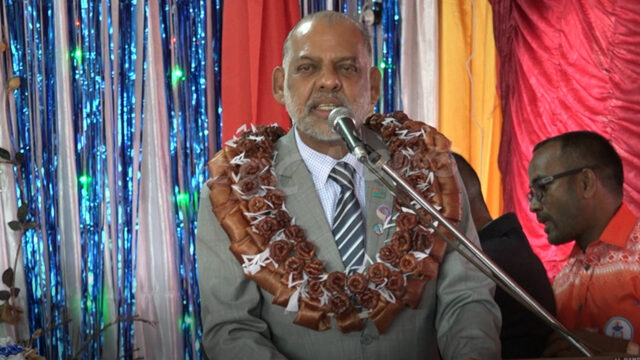
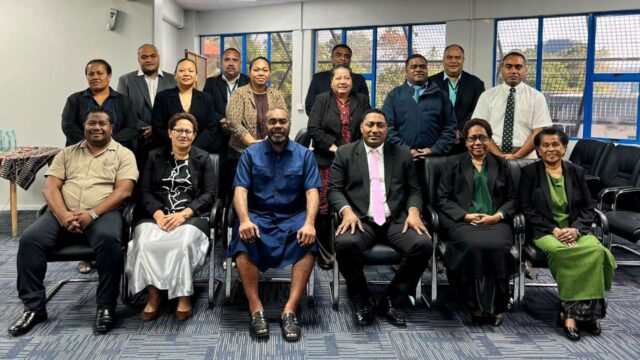
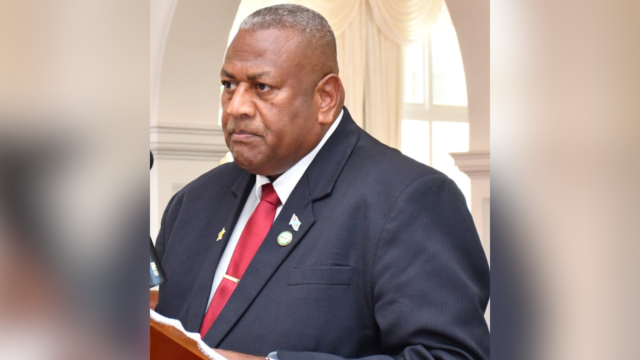
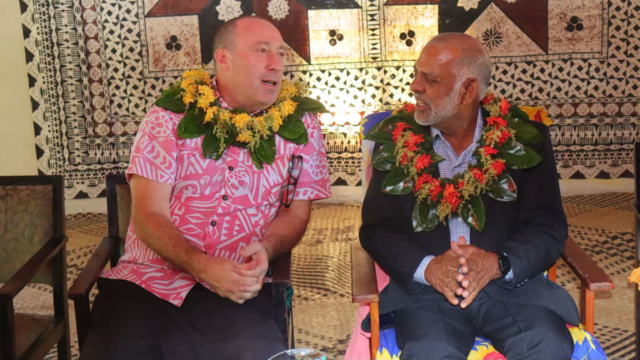
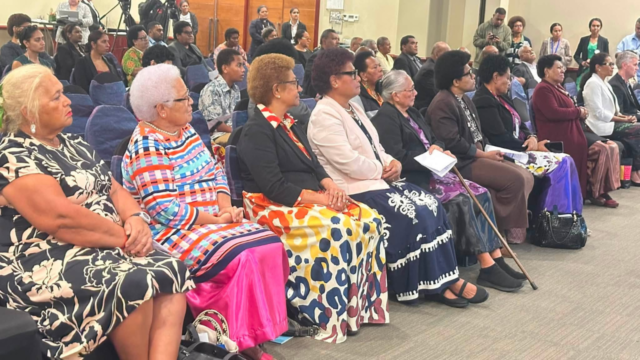
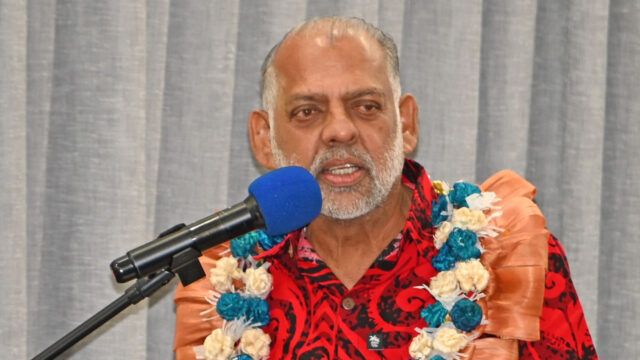
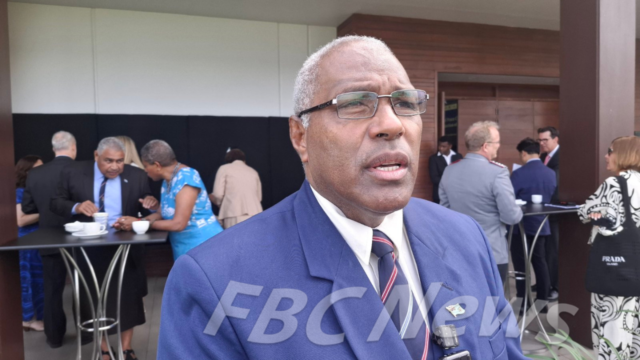
Speaking at an awareness event, Deputy Director of Hospital Services Dr. Mike Kama noted that while albinism affects about one in 20,000 people globally, it is estimated to affect roughly one in 700 people in Fiji.
He emphasized that more must be done to ensure they are protected and fully included in society.
Dr. Kama explained that individuals with the genetic condition face visual impairment, a high risk of skin cancer from sun exposure, and harmful social stigma.
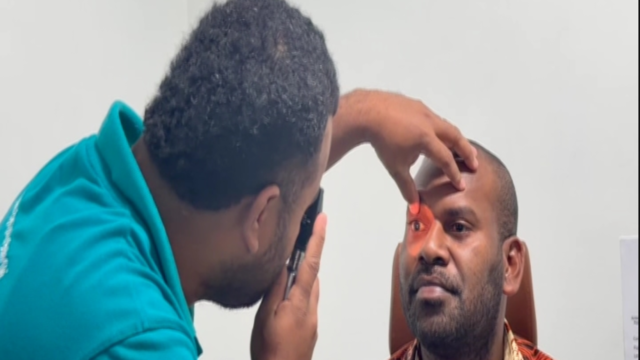
To address this, the Ministry of Health is working on a coordinated response providing early diagnosis, routine skin and eye exams, vision aids, counseling, and preventive healthcare.
He confirmed that registered individuals receive free sunscreen, sunglasses, wide-brimmed hats, SPF lip balm, and umbrellas.
However, Dr. Kama stressed that health services alone cannot solve these issues, calling for a whole-of-society approach involving education, social services, civil society, and development partners.
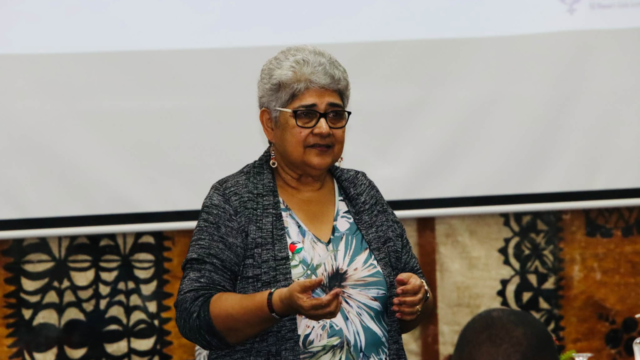
Meanwhile, albinism advocate Jonna Matavesi urged Fijians to reject prejudice, noting that many individuals still endure stares, ridicule, and exclusion because of their appearance.
Reminding the public that albinism is a genetic condition – not a disease- that does not limit a person’s potential, Matavesi called on communities to replace judgment with understanding, stating that everyone deserves equal respect, kindness, and opportunity.