 Litia Cava
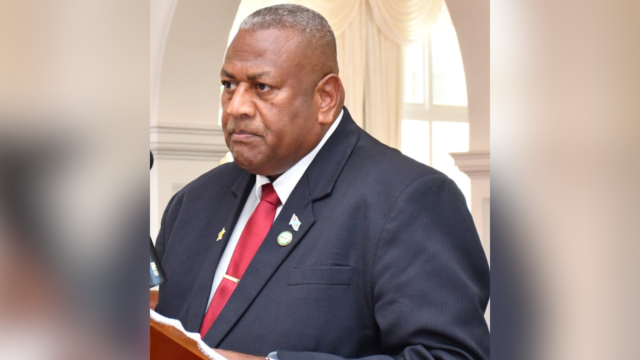
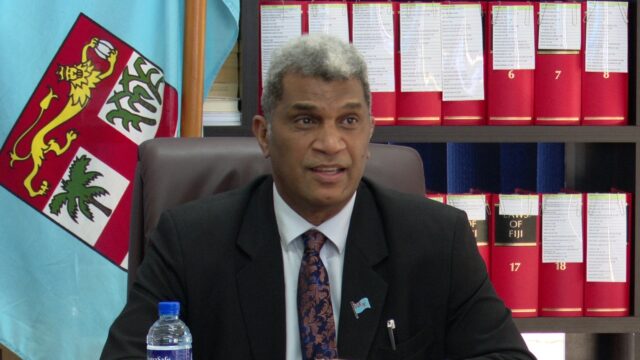
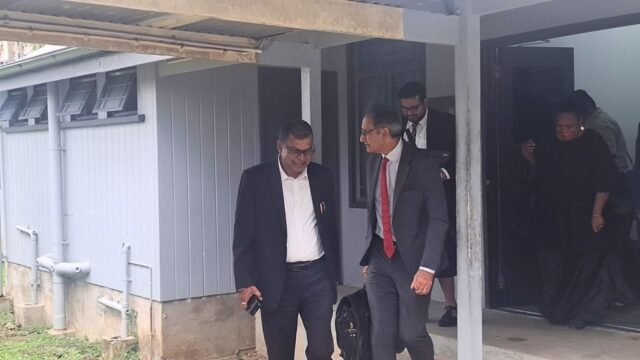
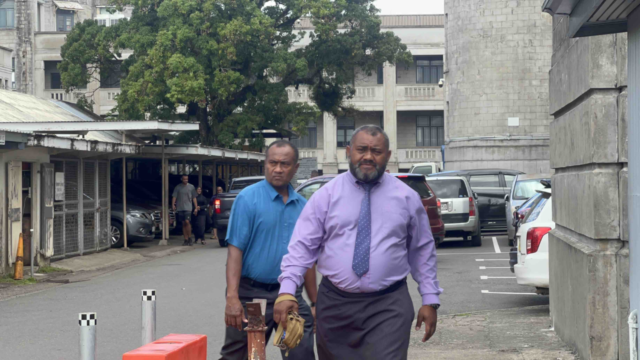
The team from the Immigration Department admitted a major weakness in the current system. [Photo: FILE]
Three Nepalese workers are being sheltered at the Immigration Safe House after being identified as victims of human trafficking.
The case is now before the courts and has exposed gaps in the enforcement of migrant worker protections.
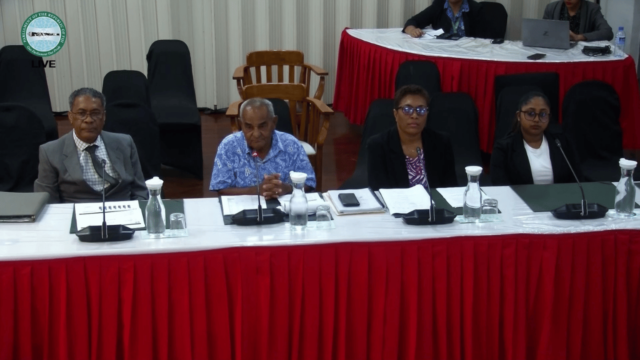
Border Security and Enforcement Manager Jese Cirikisuva told the Parliamentary Standing Committee that the workers were brought into Fiji on false job promises.
They were later exploited by their employer, prompting intervention by authorities.
“They fail to adhere to the terms and conditions of whatever permit they have. So, thankfully, the legislations have been revised and there is something that we have incorporated in terms of enforcing infringement notices and penalties for those who have breached the terms and conditions of the permit.”
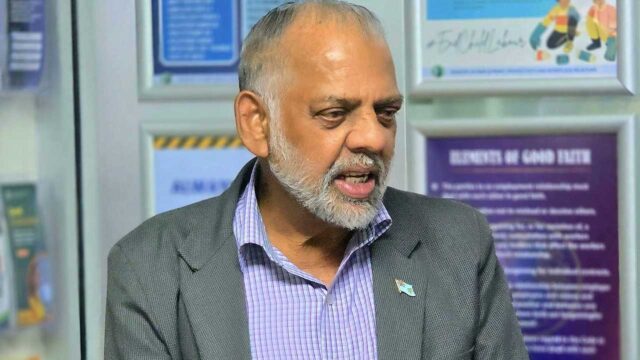
Opposition MP Virendra Lal raised concerns during the hearing, questioning what action is taken against employers who abuse foreign workers.
The team from the Immigration Department admitted a major weakness in the current system. They said immigration laws mainly target foreign workers, while employers who facilitate exploitation or breach permit conditions often avoid penalties.
This, they said, has created a serious enforcement gap in trafficking and abuse cases.
They told the committee that this gap is being addressed through revised immigration laws. The reforms will introduce penalties and infringement notices for both employers and workers.
Enforcement outcomes were also described as uneven. Between 2019 and 2023, 135 removal orders were issued but only 47 were physically enforced by the state.
Officials said most cases were resolved through voluntary repatriation arranged with employers. Forced removals were carried out only when compliance failed.
They added that where enforcement is required, the state steps in, including covering repatriation costs if employers do not comply.
The Ministry of Immigration also highlighted structural reforms. These include its transition into a stand-alone ministry and the rollout of a digital immigration system to improve monitoring and processing of foreign worker applications.
The Standing Committee on Foreign Affairs and Defence is reviewing immigration and government annual reports from 2019 to 2023 as part of its public consultation process.