 Riya Mala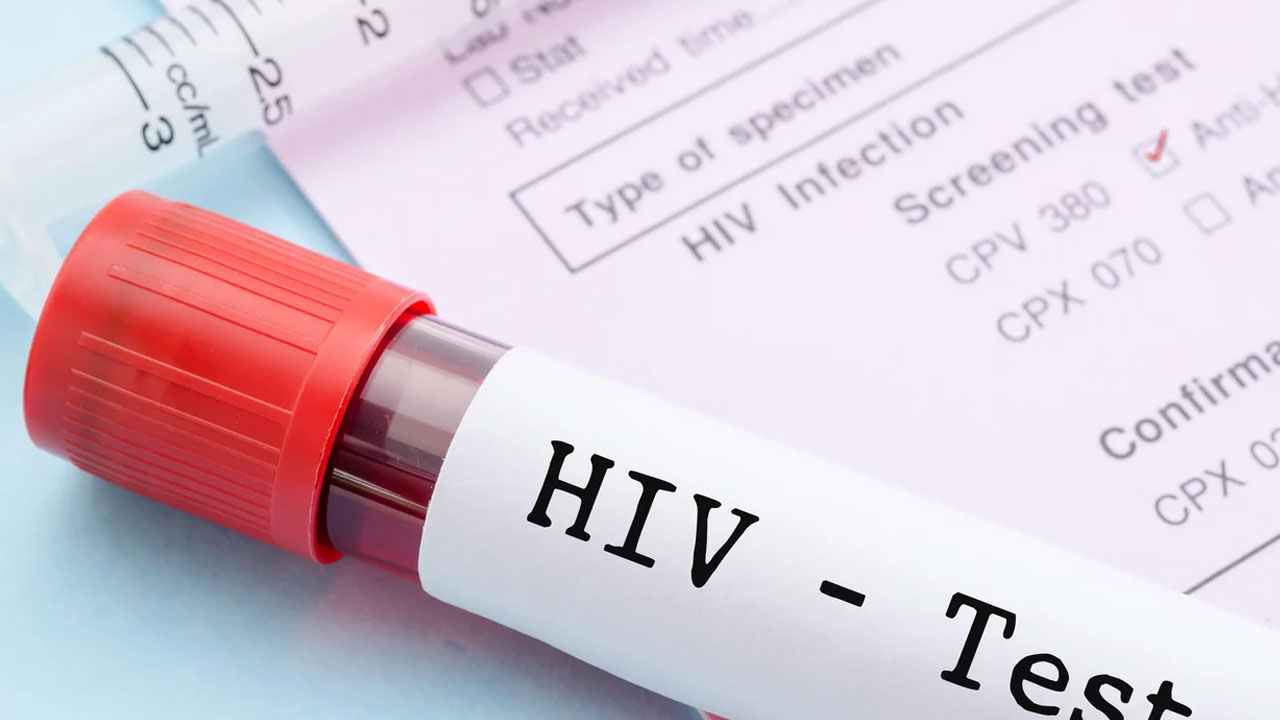
[Photo: FILE]
Fiji’s HIV response is being reshaped as authorities move to target funding and services based on areas of highest need, amid concerns that infections may be underreported.
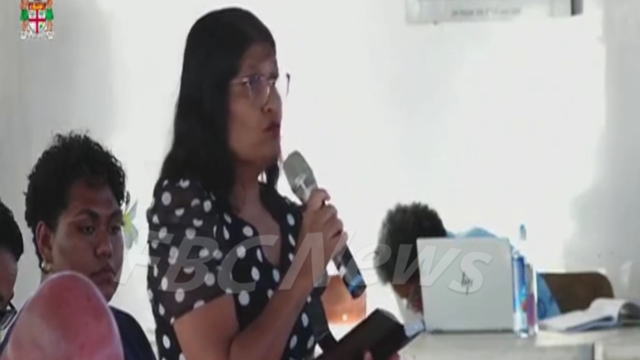
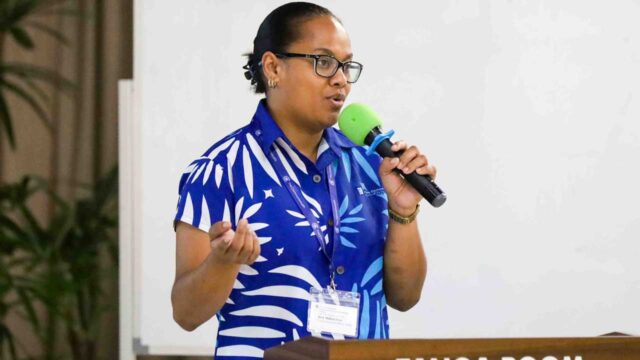
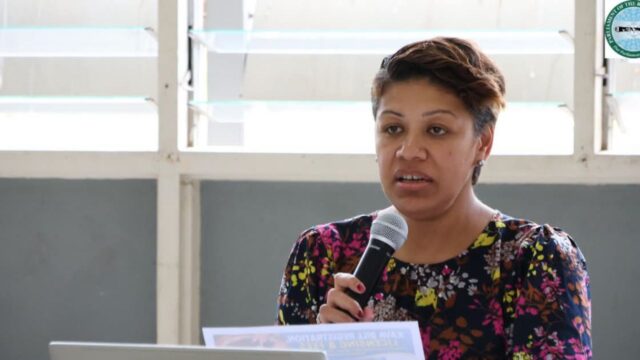
UNAIDS Country Director Renata Ram says resources are now being directed based on infection trends and risk levels, rather than being evenly distributed across the country.
She says support from Fiji’s budget, Australia, and New Zealand is strengthening the national response.
Ram says the shift is aimed at improving both prevention and treatment outcomes.
“So it has to be not equally distributed, but distributed where the needs are. And right now, in terms of prevention, in low reporting areas, prevention is more the key focus there.”
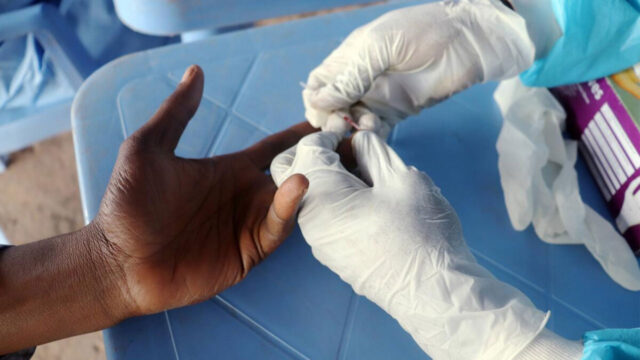
Ram says urban areas require more testing and treatment, while rural areas need stronger prevention efforts.
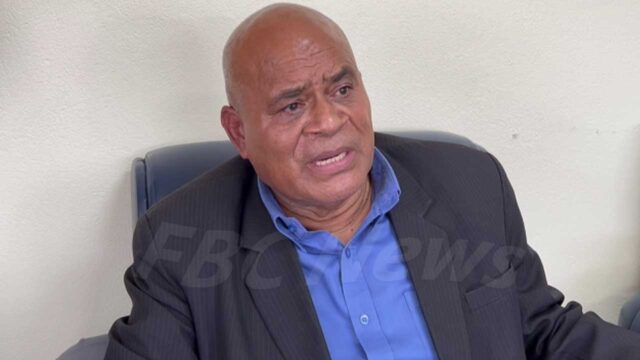
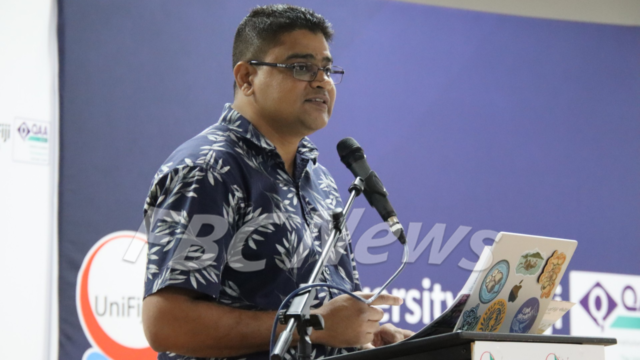
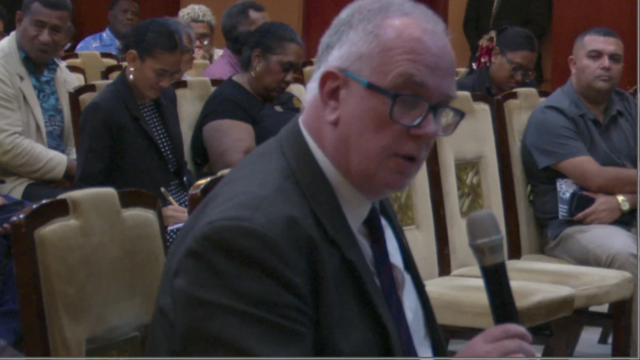
HIV Advisor for Australia’s Department of Foreign Affairs and Trade Jason Mitchell says the 2,016 cases recorded last year are likely lower than the real figure.
He adds that public health programming is a responsibility of governments and must be made accessible to citizens, emphasizing the importance of public health awareness and access.
The HIV response is now being realigned to focus resources where they are most needed, as accurate detection and targeted action are essential to controlling the spread.