 Mosese Raqio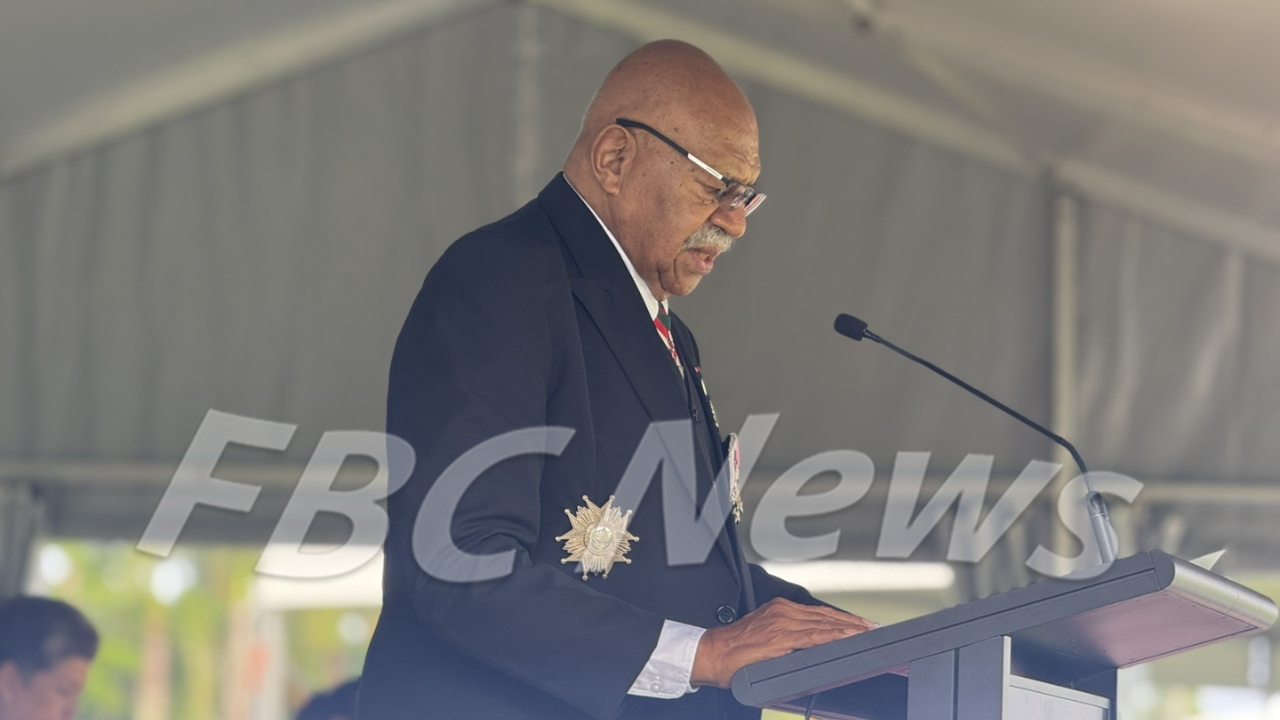
[File Photo]
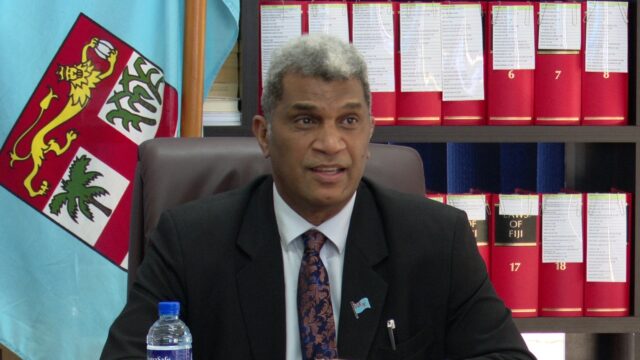
Prime Minister Sitiveni Rabuka has paid a powerful tribute to the late former President, Ratu Epeli Nailatikau, describing him as a proud son of Fiji whose life was defined by service, humility and an unwavering commitment to his people.
Speaking during the State Church service this morning at Albert Park in Suva, Rabuka says Ratu Epeli carried his noble banner to the very end, a man deeply proud of his heritage and nation, whose compassion extended far beyond the limits of office or title.
He says the former President stood as a rare example of leadership shaped by duty, discipline and humanity.
“His Excellency Ratu Epeli Nailatikau was a man who wore many hats with dignity”
Rabuka says, highlighting his journey from military commander to Speaker of Parliament, President, and traditional chief.
As President, Rabuka says Ratu Epeli carried the highest office with humility. As Speaker, he brought wisdom and calm to Parliament. As a military commander, he served with courage. And as a chief, he embodied the values and traditions of the vanua.
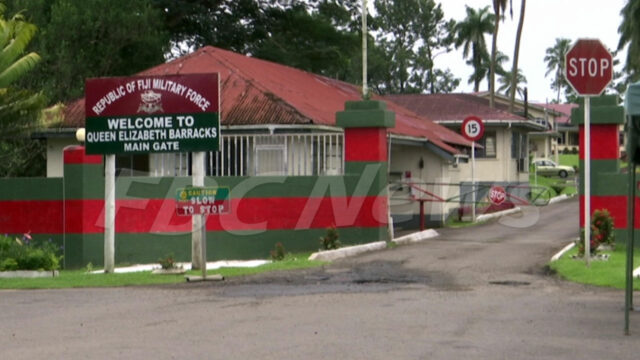
Tracing his long military career, Rabuka noted Ratu Epeli’s early beginnings in the Fiji Military Forces in 1962, his commissioning in New Zealand in 1963, and further professional military training in Australia — milestones that shaped a disciplined leader respected both at home and abroad.
He says Ratu Epeli’s leadership style was never about authority alone, but about influence, integrity and inspiration.
“He understood that true command is not exercised through authority alone, but through leadership of others.”
He adds that Ratu Epeli instilled loyalty, discipline and pride in those who served under him.
Beyond the uniform and the high offices, Rabuka says Ratu Epeli’s legacy lives on in the people he led and the nation he helped shape.
Even in statesmanship, Ratu Epeli remained grounded in military values — humility, integrity, duty and unity.
But what stood out most, Rabuka says, was his calmness in adversity and his enduring sense of humour.
“He had a genuine care for people. His life was one of service.”
Rabuka says Ratu Epeli’s leadership was not distant or detached, and he walked among the people, listened to their struggles, and shared in their realities.
“He met people where they were. He heard their pain and aspirations. He was approachable, present and deeply human.”
In closing, the Prime Minister says Ratu Epeli will be remembered not just for the offices he held, but for the dignity, empathy and respect he carried into every interaction.