 Litia Cava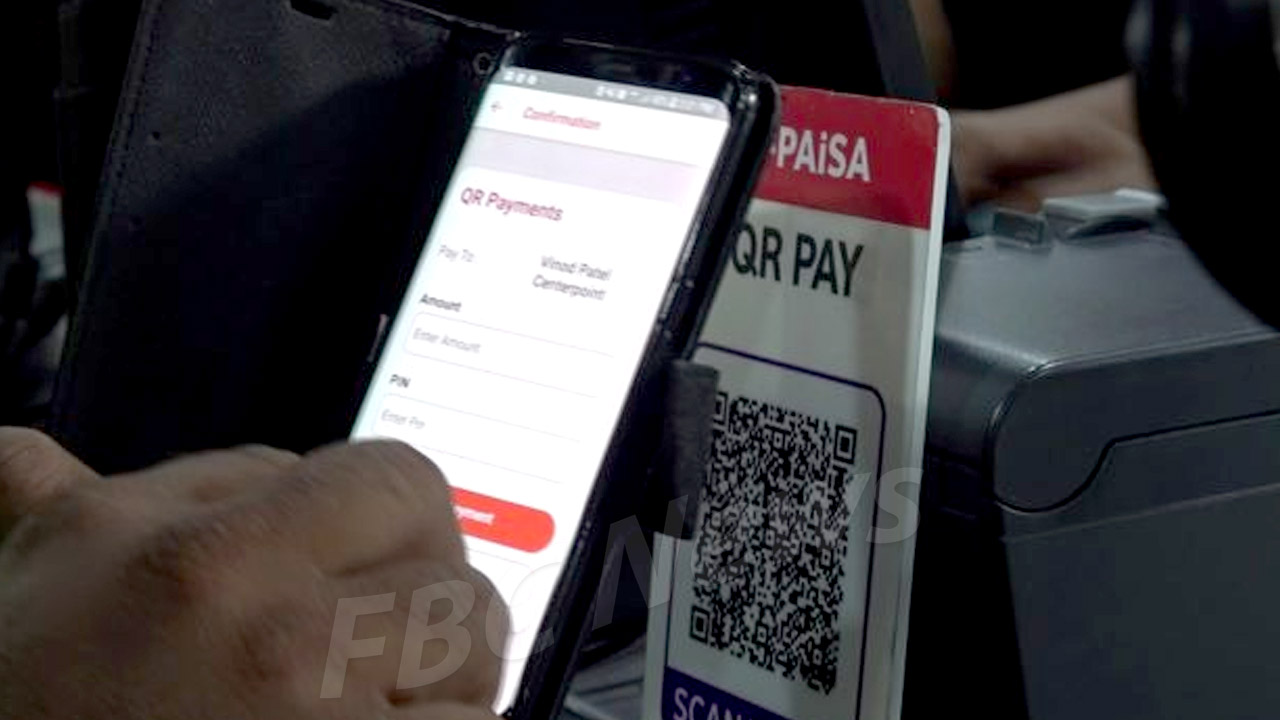
The use of several QR payment platforms has resulted in uneven experiences for consumers and businesses.
The Reserve Bank of Fiji is now working on a single standardised QR code to address the issue.
Digital payments have reached record levels. By December last year, 957,816 people were registered for e-money services, with 722,340 active users, driving a sharp rise in mobile transactions.
Last year alone, payment service providers processed $116.4 million in wallet transactions. This averaged about $612 million per month and $7.3 billion annually, reflecting the rapid expansion of digital finance.
QR payments also continued to grow strongly. They reached $672.3 million by the end of 2025, as more businesses and consumers shifted to mobile-based transactions.
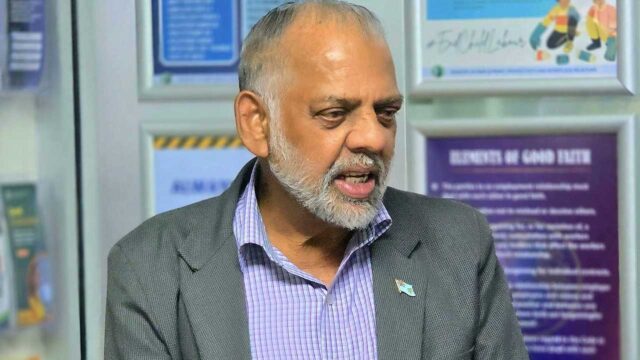
Reserve Bank Governor Ariff Ali states QR payments are reshaping access to financial services. He said they provide a fast, secure and convenient way to pay, removing the need for cash or physical cards. He adds that this is especially important in areas with high smartphone use.
RBF says this shift reflects a major change in how people pay for goods and services. Digital platforms are now central to everyday financial activity.
Digital payments are regulated under the National Payment System Act 2021 and its 2022 regulations. The Reserve Bank of Fiji oversees the system. Five licensed payment service providers currently operate in the market, including M-PAiSA, MyCash, Solé, Abacus Fintech and Dynamic Payment.
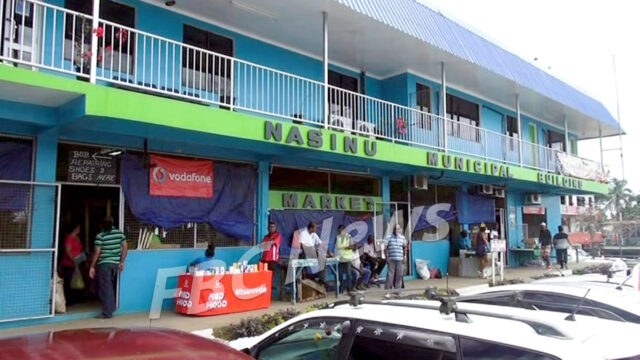
Banks, merchants and consumers all form part of the growing ecosystem. QR payments are now widely used, from supermarkets to small market vendors.
QR codes, or Quick Response codes, are scannable barcodes that allow instant payments through a smartphone camera. Once scanned, users can complete transactions without cash, cards or EFTPOS machines.
The system has expanded rapidly over the past decade. It first appeared in Fiji in 2016, mainly for tourists and overseas-linked accounts. Local rollout began through Vodafone in 2019. Digicel later introduced MyCash and personal QR codes, strengthening peer-to-peer transfers during the COVID-19 period.
RBF said a unified system would improve efficiency, reduce costs and support financial inclusion. It adds that it would also strengthen Fiji’s digital economy as adoption continues to rise.