 Litia Cava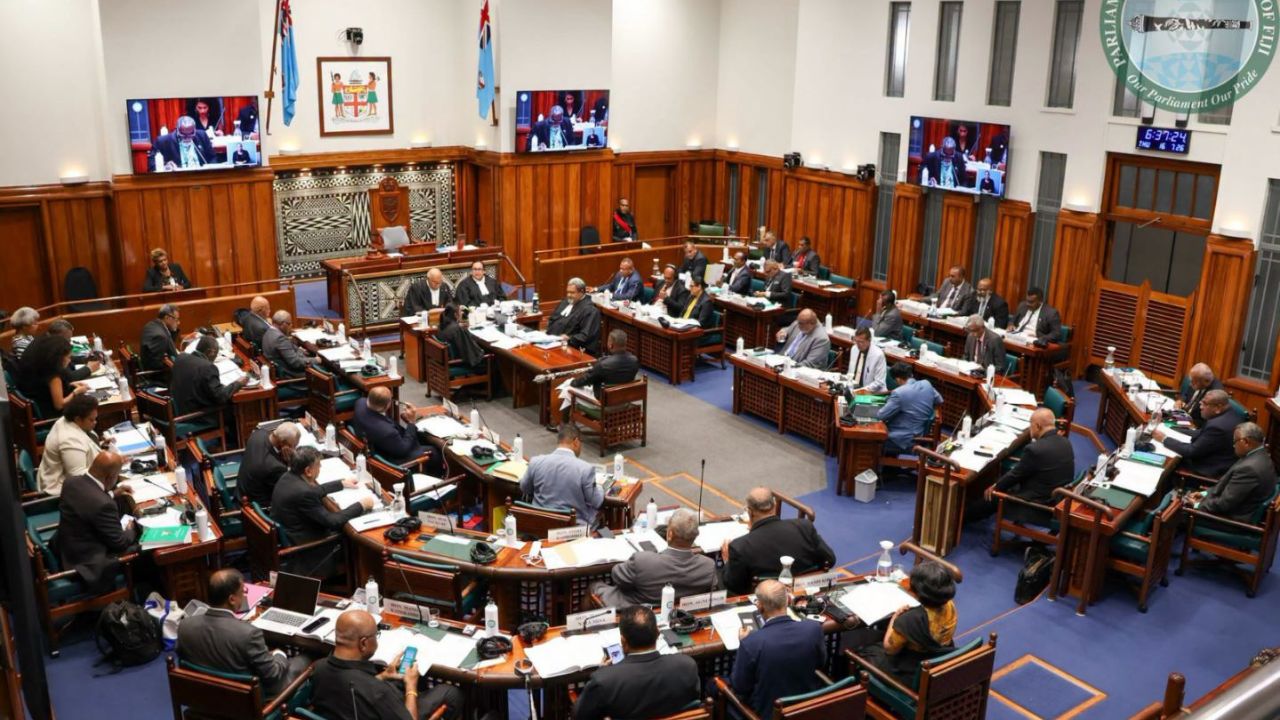
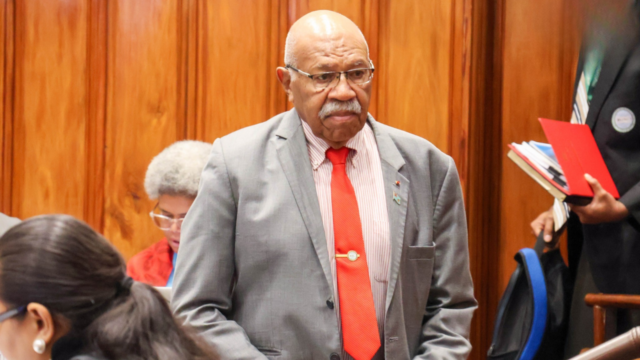
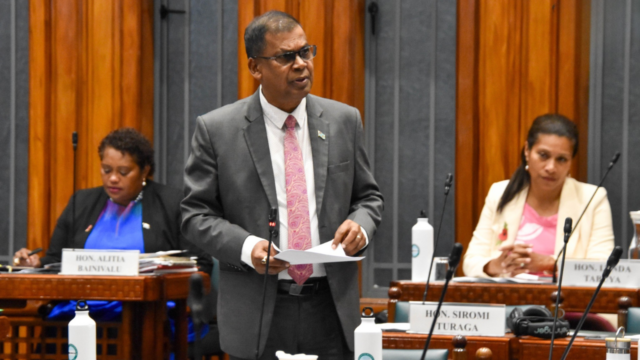
[File Photo]
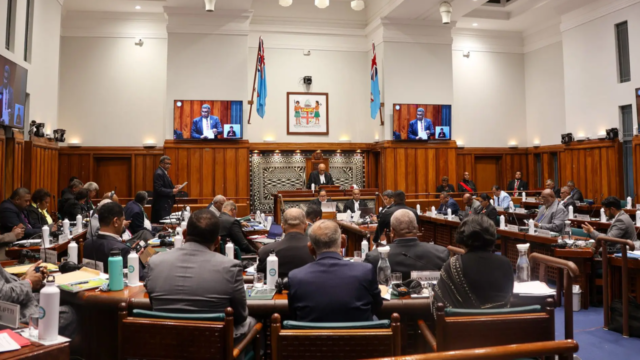
Opposition MPs say key rules governing Fiji’s first referendum remain unclear, despite Parliament unanimously passing the new law.
The concerns centre on campaign funding, equal access to media, voter eligibility, turnout, voter education and the extent to which important rules will be left to regulations that Parliament has yet to see.
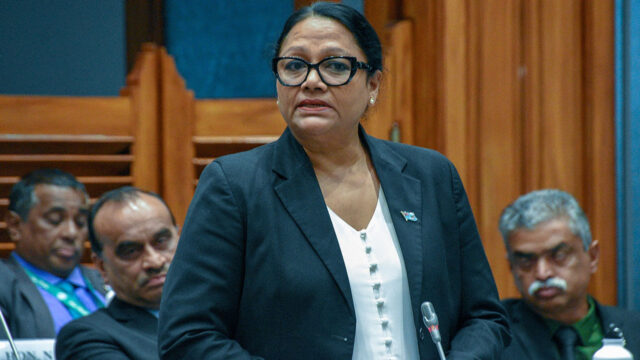
Opposition MP Premila Kumar said Parliament was being asked to approve the framework without having the full set of rules that would determine how the referendum campaign operates.
She questioned how campaign spending, public meetings, debates, opinion polls, voter education, fundraising and petitions would ultimately be regulated.
Kumar said these were not simply administrative details.
They could determine how competing sides campaign, how much money can be used, how information reaches voters and how disputes are handled.
She also questioned the Bill’s reliance on the Electoral Act for parts of the referendum process.
Her concern is that voters could have to navigate two separate pieces of legislation to understand their rights and obligations during a referendum.
Kumar welcomed the Standing Committee’s decision to remove several of the more restrictive provisions from the original Bill.
Those included proposed restrictions involving campaign badges, symbols and materials, canvassing and referendum-related activity involving people under 18.
The committee also removed a provision that would have limited the establishment of offices near polling stations to parliamentary parties.
But Kumar said the revised legislation still leaves important matters outside the Bill itself.
She specifically questioned the provision for communicating referendum information through newspapers, arguing that voter information should also be delivered through the Elections Office website, SMS, social media, radio, television and other digital platforms.
Another issue she raised was the majority required to determine the result.
Kumar said the legislation refers to the required majority without clearly setting it out in the provision itself, arguing that voters should know the threshold before they cast their ballots.
Opposition MP Jone Usamate raised a different set of concerns, including the absence of campaign spending limits, equal airtime requirements and a minimum voter turnout threshold.
Usamate said these safeguards are used in some other referendum systems and questioned why they were not incorporated into Fiji’s framework.
He also pointed to the origins of the original Bill, saying parts of it were based on a Singapore referendum model from the 1960s.
Usamate argued that provisions designed for that historical context did not necessarily fit Fiji’s present political and constitutional environment.
He said the original Bill contained restrictions on campaigning and even discussions about the referendum with children, provisions which were subsequently reconsidered through the parliamentary committee process.
Usamate also raised the question of voters who become eligible shortly before a referendum but have not yet registered.
That issue becomes particularly relevant because the Bill is built around the National Register of Voters and existing electoral procedures.
The question is whether the existing registration system can accommodate people who become newly eligible close to polling day.
Usamate also highlighted the position of Fijians living overseas.
He said around 12,000 to 13,000 eligible voters overseas could be affected, making practical arrangements for receiving and counting overseas votes an important part of the process.
The Bill provides for eligible registered voters overseas to participate but the wider debate shows that eligibility alone does not resolve the practical question of how those votes will be cast, transmitted and counted within the referendum timetable.
Usamate also drew attention to the proposed constitutional changes themselves.
He said the current referendum framework creates a mechanism for direct public participation, while the proposed Constitution would remove that referendum mechanism and rely on representative democracy.
That creates a significant constitutional question beyond the immediate vote: whether the mechanism being created for the current constitutional transition would continue to exist under the constitutional order voters may ultimately be asked to approve.
Opposition MP Faiyaz Koya, meanwhile, defended the committee process and said the legislation had been treated as a constitutional responsibility rather than a political exercise.
He said the committee examined referendum systems in other jurisdictions, including Australia and New Zealand, and used the Venice Commission’s Code of Good Practice on Referendums as a reference.
Koya said consultation with the Electoral Commission was particularly important because some provisions in the original Bill were considered impractical or difficult to implement within the required timeframe.
The committee subsequently changed the ballot-paper rules so voters could indicate Yes or No with a tick, cross or circle.
Koya said the change was intended to make voter intention clearer during counting but one of the most consequential features of the Bill remains its decision not to impose a voter turnout threshold.
A referendum could therefore proceed without requiring a specified percentage of registered voters to participate before the result becomes valid.
Koya said the responsibility would instead rest with voters to participate and make their views known.
The government has argued that the revised legislation provides sufficient safeguards while protecting freedom of expression.
Information Minister Lynda Tabuya said the committee removed provisions that could have unnecessarily restricted lawful campaigning and public discussion.
The revised Bill now expressly provides for voter information, campaigning, campaign finance provisions and dispute resolution.
The committee also recommended that the writ identify clearly the question being put to voters and that explanatory information and parliamentary debate be published
before polling.
The recommended 30-to-45-day period between the writ and polling is intended to give voters time to examine the proposal.
The debate therefore leaves Fiji with a referendum framework that has broad parliamentary support, but also exposes unresolved questions about how the campaign will be regulated in practice.
The legislation has been substantially rewritten from the version first tabled in December 2025. The Standing Committee reported its review on September 29 after considering public and institutional submissions.
The Bill now provides the legal machinery for a referendum, but the effectiveness of that framework will depend not only on the legislation itself but also on regulations, voter information, campaign rules and the administrative arrangements put in place before polling.