 Litia Cava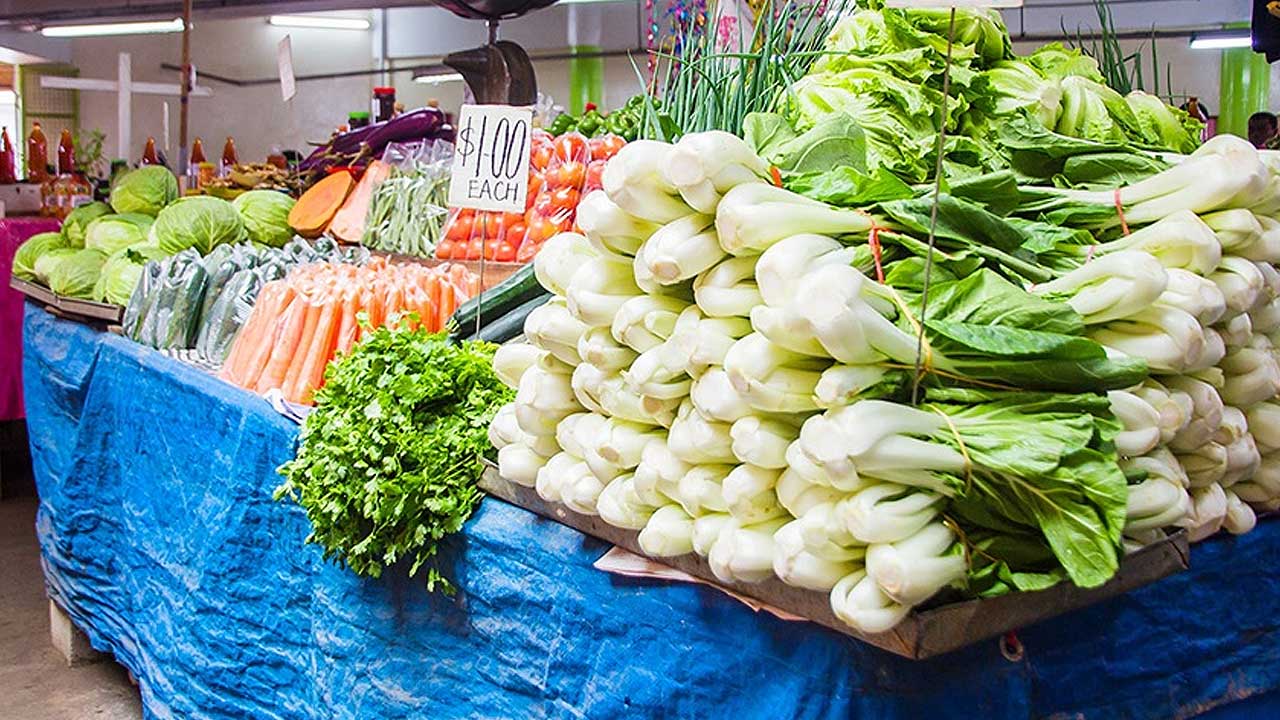
[File Photo]
Food prices and the availability of essential goods could come under pressure as El Nino conditions develop.
The Fiji Competition and Consumer Commission is warning that the drier conditions could affect local production and push up freight and import costs in the coming months.
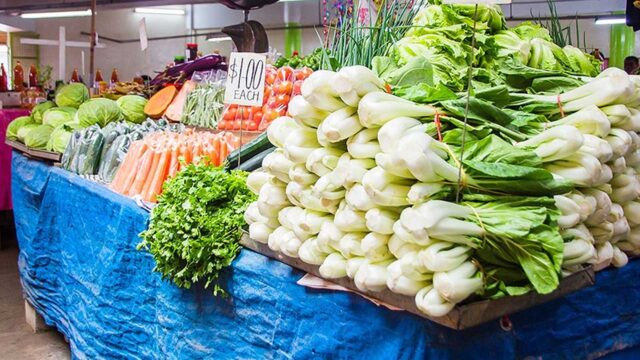
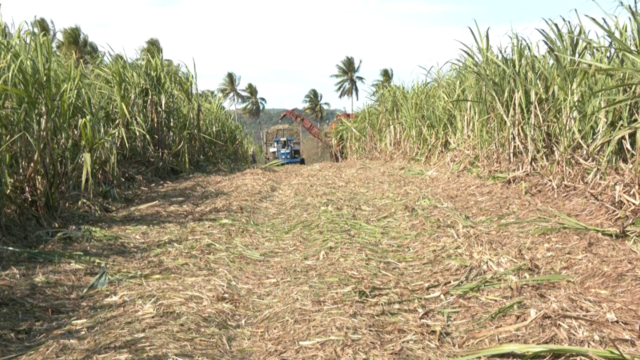
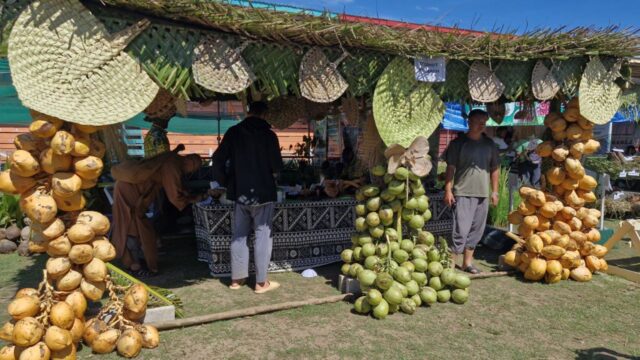
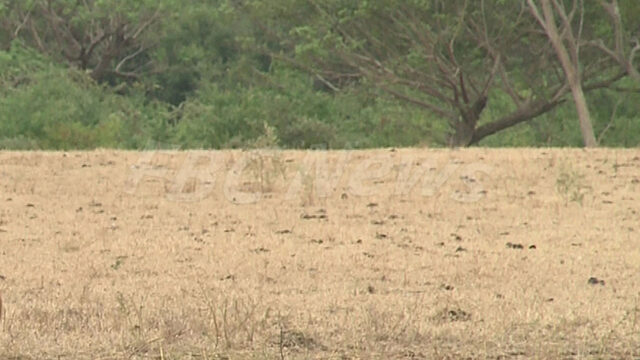
The Commission pointed out that drier conditions could reduce local agricultural production, with sugarcane considered particularly vulnerable. Rice, cassava, dalo and other crops could also be affected.
The Commission points to the 1997/98 drought, when Fiji’s sugarcane harvest fell by about 50 per cent after two consecutive dry seasons. In some areas, the crop was destroyed completely.
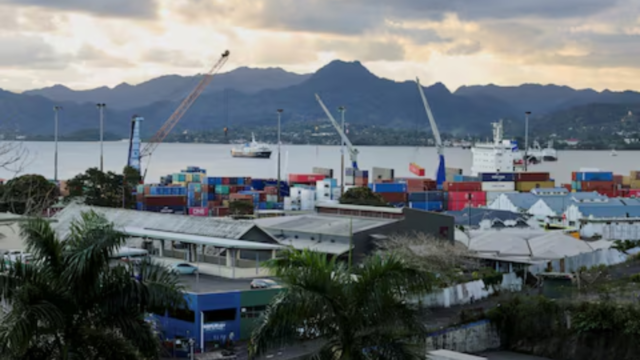
Fiji’s reliance on imported food and raw materials could add to the pressure if local production falls.
The FCCC said demand for imported substitutes could increase, pushing up procurement, freight and landed costs, particularly for goods that are not price-controlled.
It also expects international prices, freight and logistics costs, and higher fertiliser prices to affect imported food and groceries.
The FCCC says genuine cost increases are not automatically evidence of price gouging.
However, traders must be able to justify any increase with supporting records.
The Commission says the Master Price List for basic food items, pharmaceuticals and petroleum products remains fully applicable during the El Niño period.
Traders must provide evidence of their total in store cost, freight and delivery charges, and the calculations used to determine their mark-up.
The FCCC states these records will be checked during routine and unannounced audits. It says missing records will also be treated as a compliance failure.
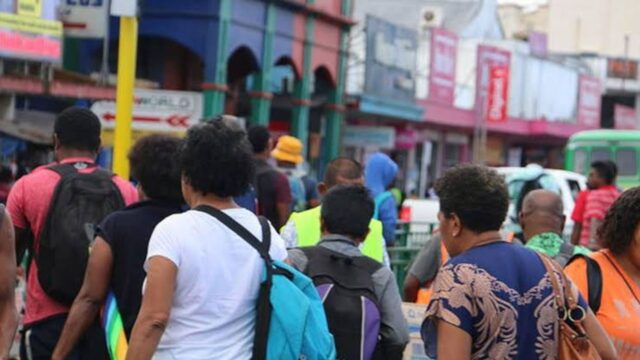
Consumers are being urged to report unusual or unexplained price increases while the affected stock is still available.
They are also advised to keep receipts, record the shop and time of purchase, and photograph shelf price tags.
The FCCC says reports of deliberate stock withholding will also be assessed and, where appropriate, investigated under the FCCC Act 2010.
The Commission adds that a drought or El Nino does not exempt traders from price controls.
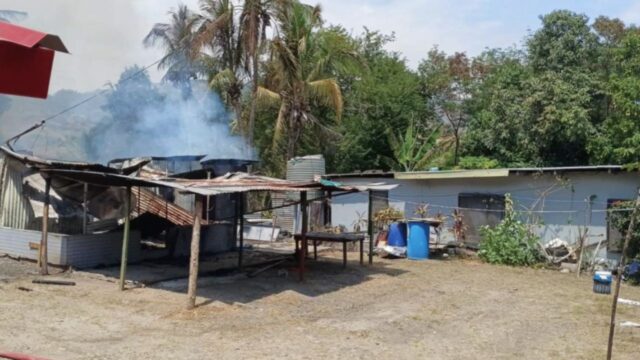
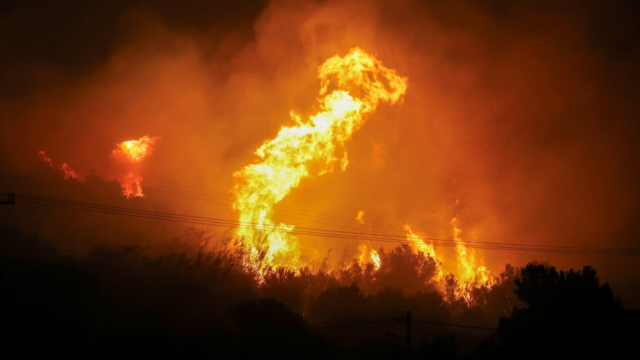
The Fiji Meteorological Service has confirmed Fiji is in an El Nino phase, with below-normal rainfall expected across most of the country.
Current forecast models give a 97 per cent probability that El Nino conditions will continue into early 2027.
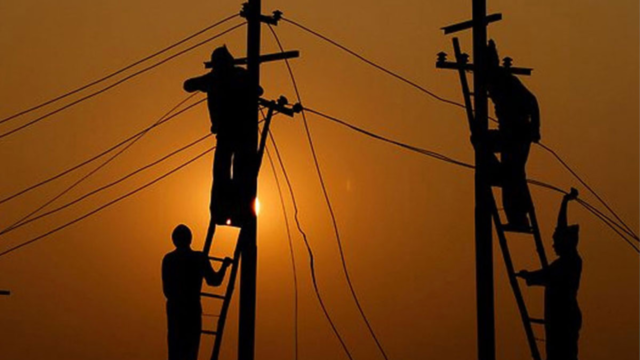
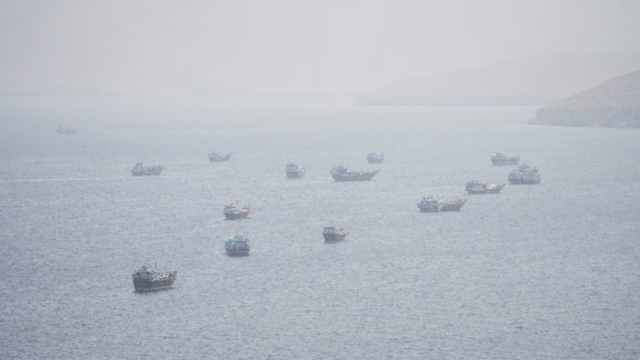
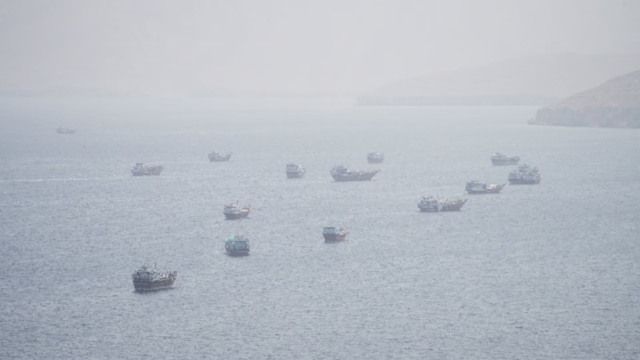
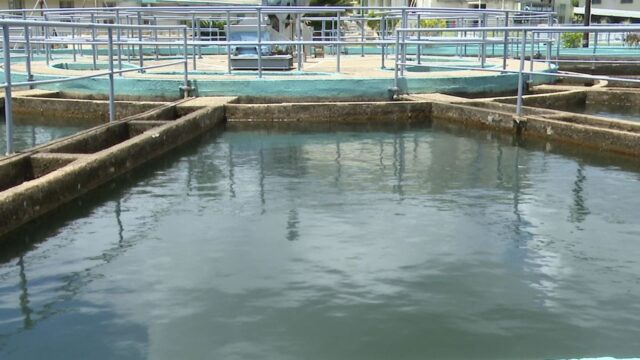
The FCCC is also monitoring potential pressure on water, electricity, shipping and outer-island supplies as demand for essential goods and transport increases.
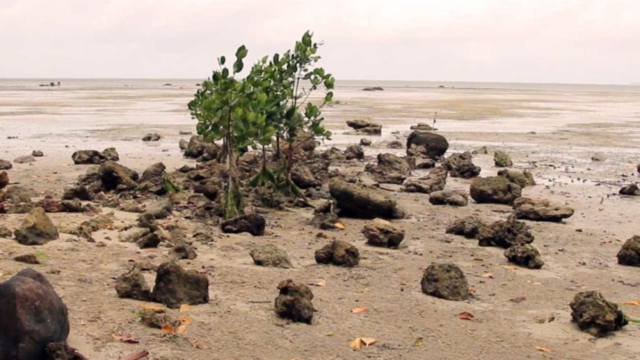
El Nino is a warming of parts of the Pacific Ocean that can disrupt normal weather patterns, often making Fiji drier than usual.