 Nikhil Aiyush Kumar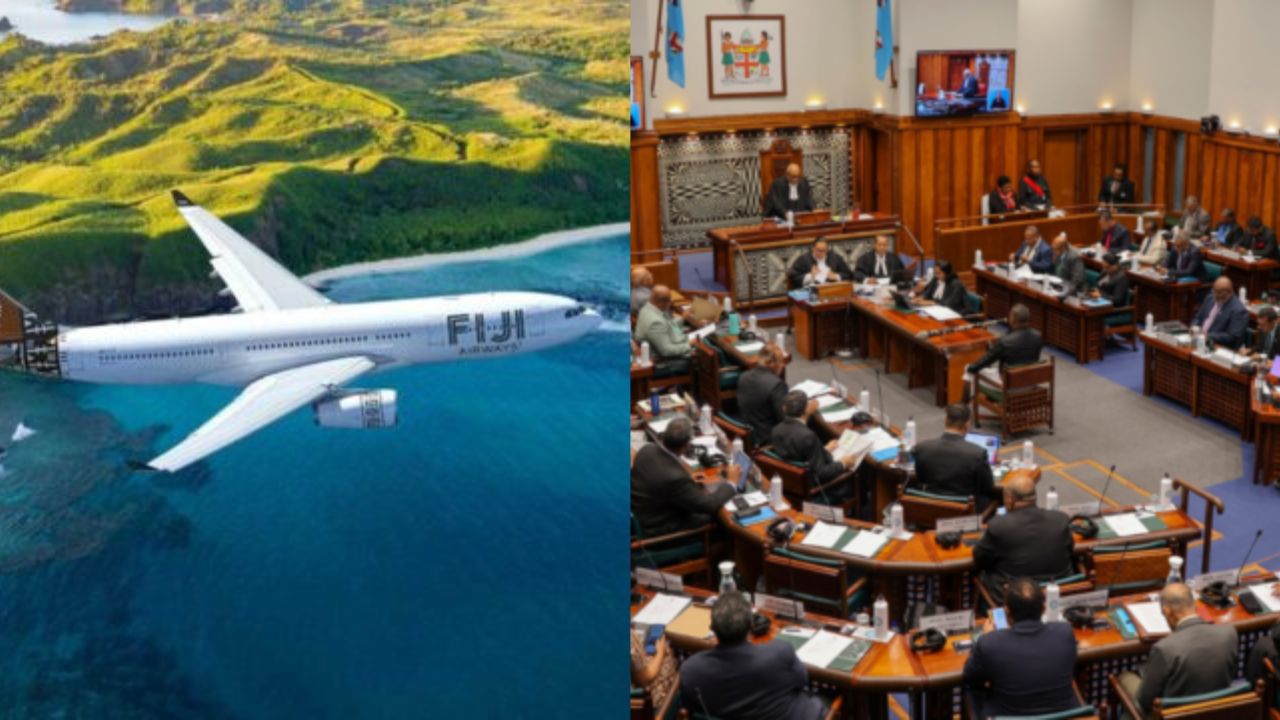
[Photo: File]
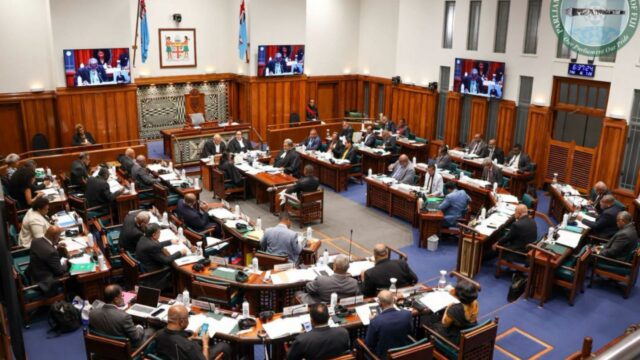
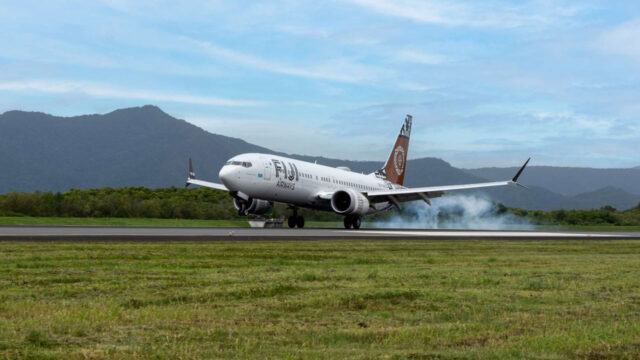
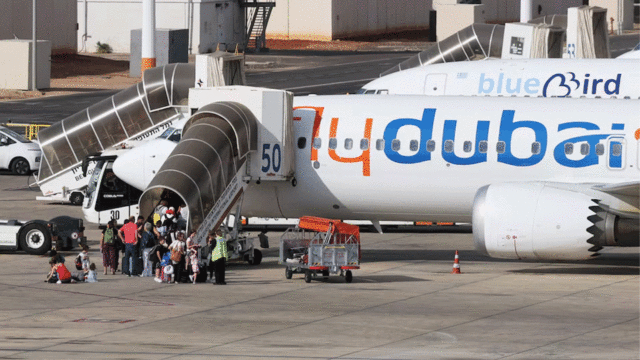
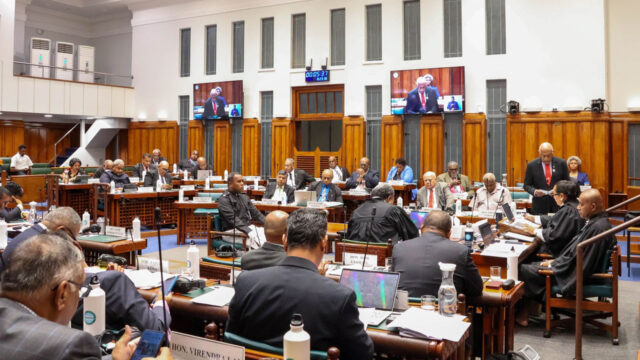
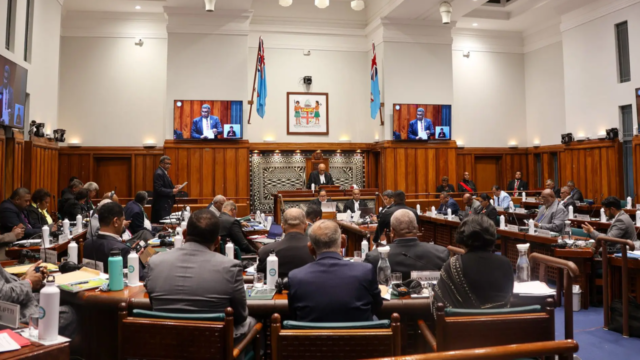
Parliament has unanimously approved a $200 million government guarantee for Fiji Airways, but MPs have stressed that the support must be matched by stronger financial discipline, cost controls and greater accountability from the national airline.
The guarantee, effective from August 1, 2026, to June 30, 2029, will support additional borrowing by Fiji Airways, with the airline also exempted from paying a guaranteed fee.
While MPs across both sides of the House supported the motion, Opposition members made it clear their backing was not a blank cheque.
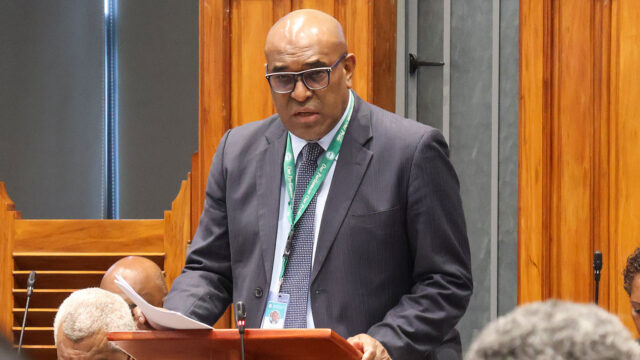
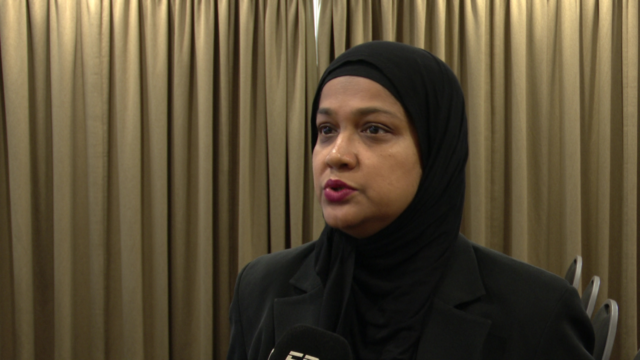
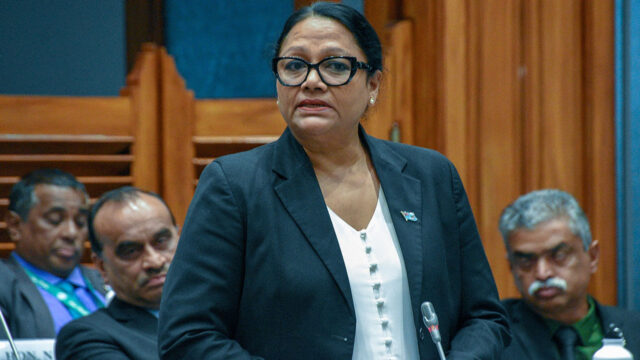
Opposition MP Premila Kumar said Parliament had a right to demand accountability and value for taxpayers in return for the government’s support.
She said Fiji Airways was critical to the economy and the livelihoods of thousands of Fijians but warned that the airline must demonstrate where it was reducing expenditure.
She called for Parliament to receive annual reports on the airline’s cost-reduction programme, debt, borrowing costs, non-core investments, domestic fares and the use of borrowing supported by the guarantee.
She questioned whether ordinary Fijians were effectively subsidising cheaper fares offered to overseas travellers and said the airline’s award-winning reputation should be reflected in the experience of passengers travelling in economy class.
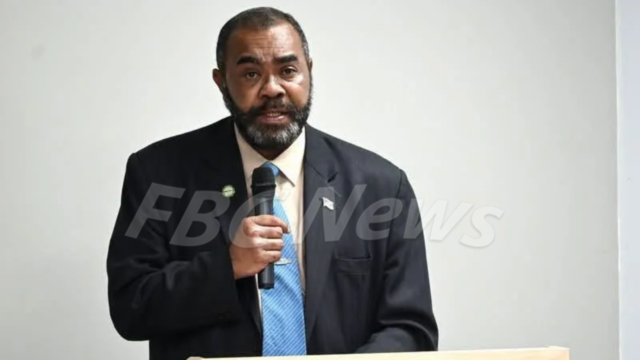
Opposition MP Faiyaz Koya also supported the guarantee but said questions needed to be answered about why Fiji Airways had reached a point where it required another government-backed borrowing facility.
Koya described Fiji Airways as a critical industry, given its importance to tourism, trade and national connectivity.
He questioned whether the airline had adequate risk-management measures in place to deal with fuel price volatility and raised concerns over expenditure, staffing, route decisions and cost controls.
Koya also pointed out that Fiji Airways is scheduled to stop its Dallas service from September 6, questioning the airline’s network strategy.
Opposition MP Alvick Maharaj went further, questioning how Fiji Airways could record operating revenue of $1.85 billion in 2024 while posting a $25 million loss.
Maharaj said the taxpayer should not be expected to provide an open-ended safety net for commercial decisions.
He called for operational costs to be reduced, low-yield routes to be reviewed, non-essential sponsorships cut and stronger currency risk management introduced.
However, government MPs defended the guarantee, stressing the strategic importance of keeping Fiji Airways financially resilient.
Tourism Minister Viliame Gavoka said Fiji was heading towards a potentially record tourism year, with more than one million visitors recorded on a rolling June-to-June basis.
He said Fiji Airways had maintained capacity at a time when other airlines, including Air New Zealand, had withdrawn services.
Gavoka acknowledged that cost-cutting had affected areas such as catering but argued that maintaining flight capacity was more important for Fiji’s tourism industry.
Finance Minister Esrom Immanuel said the current pressure on Fiji Airways was largely the result of what he described as the biggest fuel shock the airline had experienced in more than 50 years.
He said the airline already had a detailed five-year profit plan and was targeting a return to sustainable profitability in 2027.
Immanuel said cost discipline was being addressed through route reviews, greater focus on profitable routes and management restructuring.
The existing government-guaranteed debt exposure stood at about $1.1 billion at the end of April 2026.
Following the debate, Parliament was asked to approve the $200 million guarantee, the exemption from the guaranteed fee and the government’s guarantee of the borrowing facilities until their full maturity or discharge.