 Litia Cava
[Photo: File]
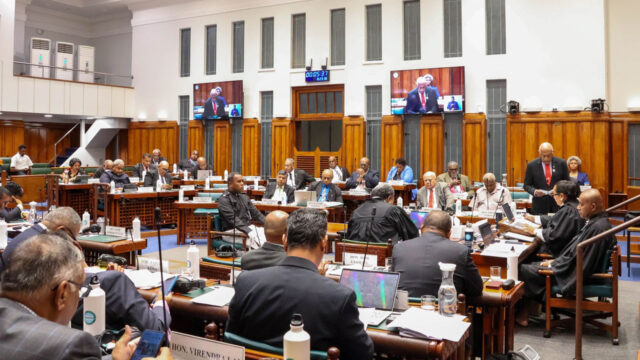
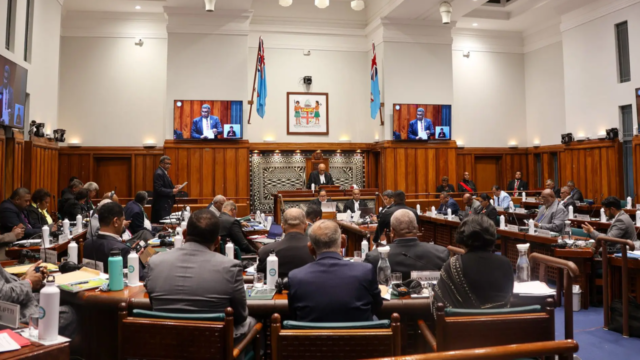
Government continues to face weaknesses in financial management, internal controls and oversight. This comes despite a major improvement in audit outcomes, Parliament has heard.
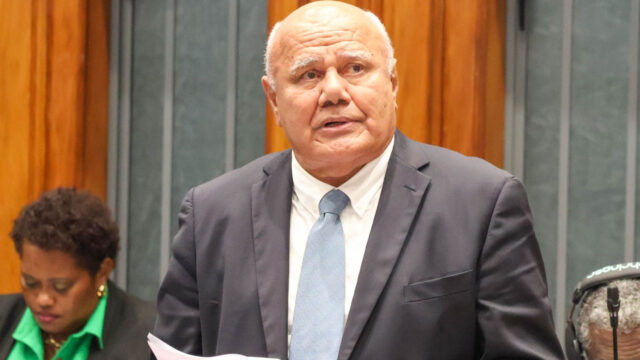
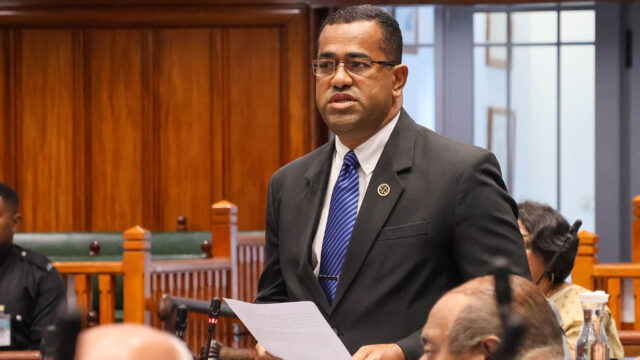
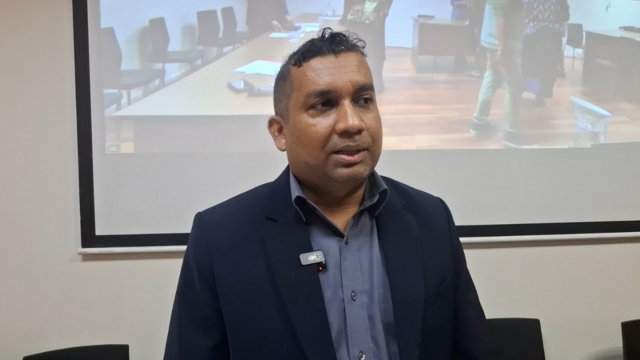
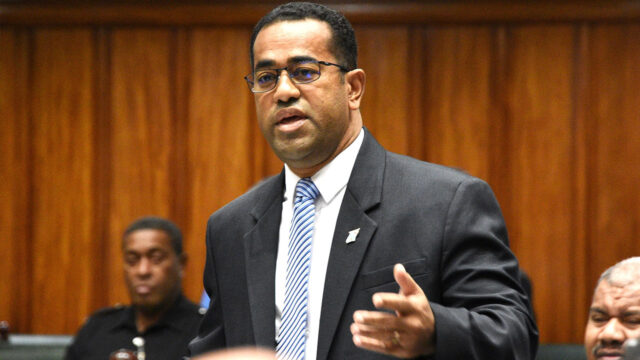
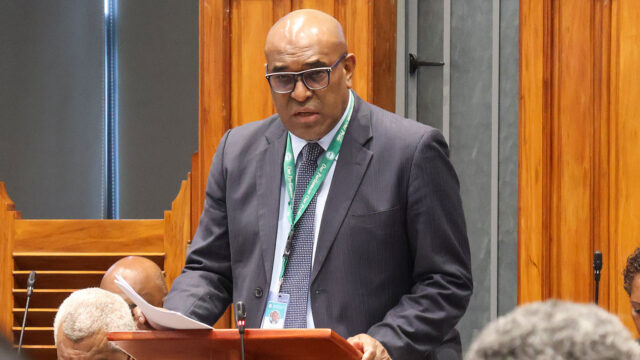
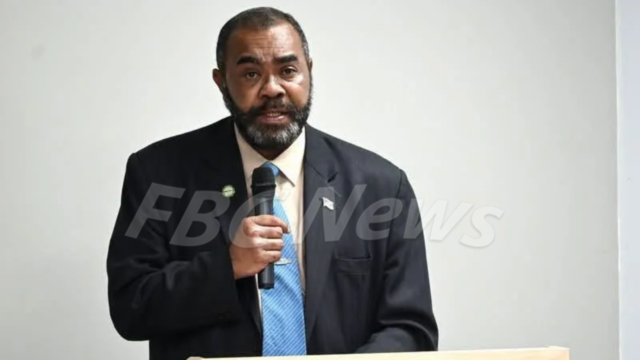
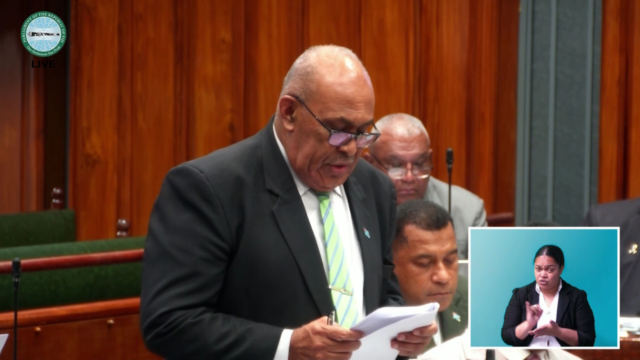
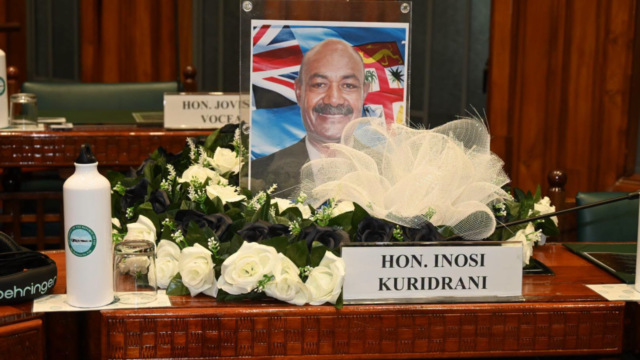
Standing Committee on Public Accounts Deputy Chairperson Jovesa Vocea says the consolidated audit reports identified recurring problems, including unutilised budgets, procurement delays, poor record-keeping and incomplete asset registers.
The reports cover 16 audits for the 2018–2019 to 2021–2022 financial years.
Vocea states the audits also found unresolved FMIS and bank reconciliation variances, unsupported balances, inadequate documentation and weak follow-up on audit recommendations.
“The Committee noted that significant unutilized budget allocations continued across government ministries and agencies due to project delays, procurement challenges, recruitment gaps, and weak implementation capacity.”
However, Vocea says there has been a clear improvement in the quality of government financial reporting.
Unmodified audit opinions increased from 53 percent in 2018–2019 to 86 per cent in 2021–2022.
Timely submission of financial statements also improved from 58 percent to 83 per cent over the same period.
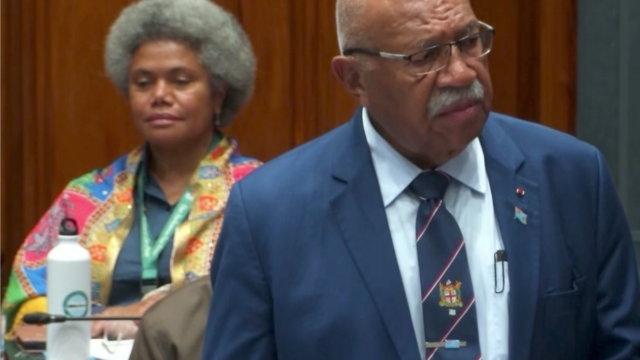
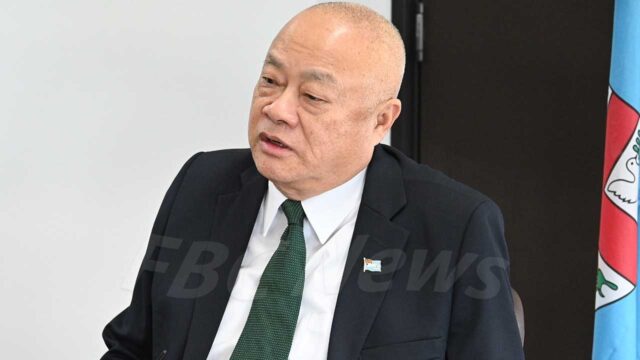
Finance Minister Esrom Immanuel says the government has introduced reforms to strengthen financial controls and accountability.
These include the Audit Act 2025, reforms to Finance Instructions and Procurement Regulations, and the implementation of a new Financial Management Information System in August 2024.
Immanuel states the Ministry is also establishing an Audit Recommendation Register to track outstanding audit findings and improve accountability.
He says stronger systems alone are not enough and effective supervision and leadership are equally important.
Opposition MP Alvick Maharaj says the report provides a useful comparison of government performance before, during and after the COVID-19 period.
Maharaj also challenged claims that the current Government was responsible for the sharp fall in the debt-to-GDP ratio after 2021–2022.
He says the ratio fell from 91 percent in 2021–2022 to about 80 percent in 2022–2023 under the budget introduced by the previous administration.
Transport Minister Naisa Tuinaceva states the reports may be several years old, but the lessons remain relevant.
He says weak supervision can allow financial and operational problems to grow unchecked.
Tuinaceva called for stronger governance training for permanent secretaries and better recruitment of experienced accounting and finance personnel.
He also backed consideration of a Fiji Sovereign Wealth Fund and urged ministries to improve the accuracy of revenue forecasts and expenditure estimates.