 Riya Mala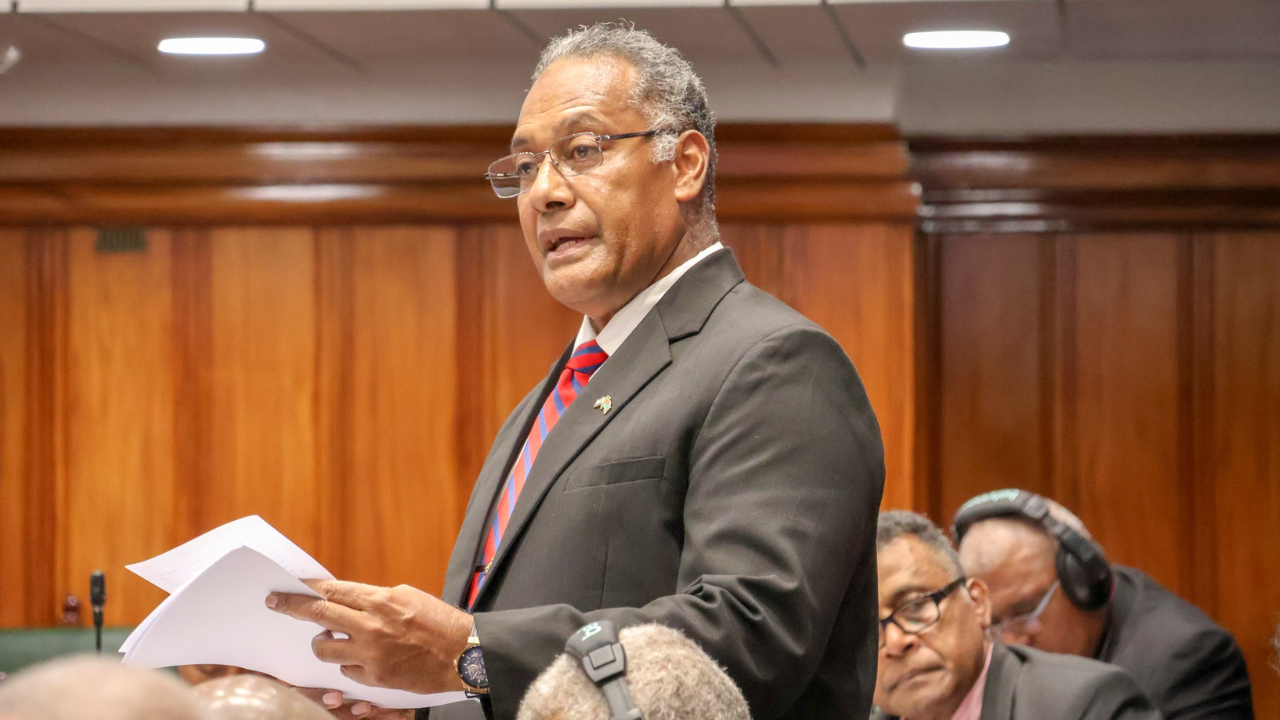
[File Photo]
Fiji has made progress on ocean sustainability in global trade talks, but disagreements on agriculture and digital trade have stalled key outcomes at the latest World Trade Organization meeting.
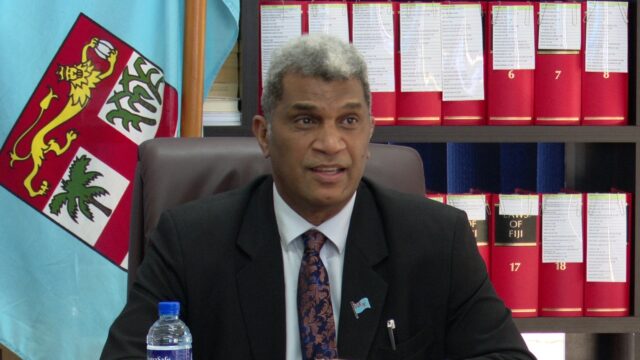
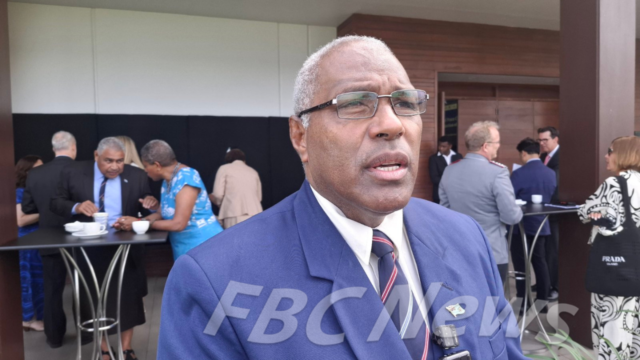
Minister for Foreign Affairs Sakiasi Ditoka says a major outcome was the decision to continue fisheries subsidies negotiations under the FISH II framework, which is important for protecting fish stocks and ocean resources for Fiji.
He also highlighted internal challenges, saying Fiji faces limited capacity in global trade talks due to a shortage of personnel.
The Minister acknowledged that several key issues failed to reach agreement, including agriculture and electronic commerce, two areas vital to Fiji’s economic future.
“In addition to this, two long-standing arrangements expired at the end of March due to a lack of agreement. These include the moratorium on customs duties on electronic transmissions, which prohibits tariffs on cross-border digital products such as software, music, and streaming.”
Ditoka says talks will continue in Geneva, warning against rushed deals, while Fiji plans to use experts to strengthen negotiations.
He adds that these unresolved issues will continue to be negotiated in Geneva, but stresses that for small island developing states like Fiji, rushing into agreements without proper consideration could be more harmful than beneficial.
He emphasized that Fiji’s participation focused on ensuring global trade rules reflect the realities of smaller economies that are geographically isolated, vulnerable to shocks, and heavily reliant on trade.
Beyond negotiations, Ditoka also highlighted internal challenges, noting that Fiji faces capacity constraints in global trade discussions due to limited personnel.
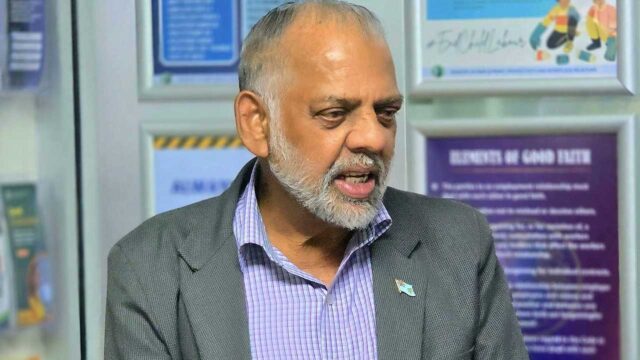
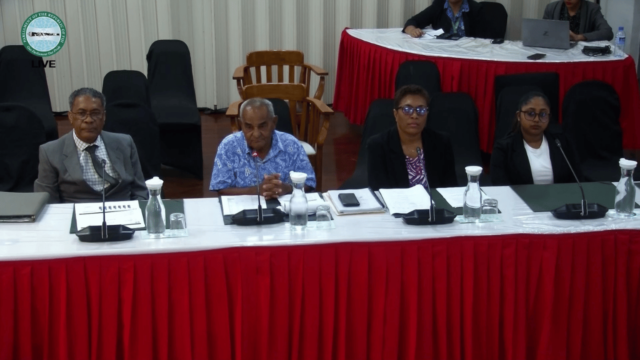
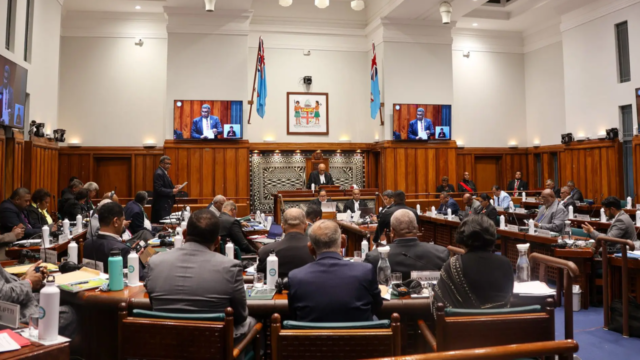
Opposition Member of Parliament Faiyaz Koya warns that while an agreement is in place, a lot of work is still needed to implement it and protect Pacific interests.
“About 35.5% of global fish stocks were overfished, and government subsidies at the time equated to US$35 million globally, while the total economic loss was US$50 billion. One of the key points we have always emphasized is that while we are part of the Pacific Ocean and control some of the largest ocean spaces in the world, we have the smallest voice.”
Koya says further negotiations on overfishing and illegal fishing are crucial as many livelihoods depend on the ocean, adding that Fiji must continue to lead and ensure the Pacific’s voice is heard in global trade discussions.