 Mosese Raqio
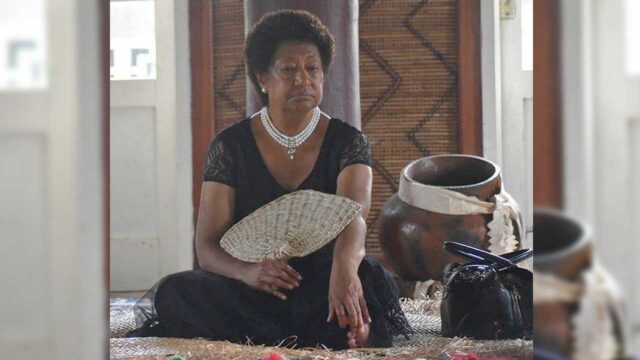
[Photo: FILE]
“We cannot reconcile, no matter how much we try. They can change at any moment.”
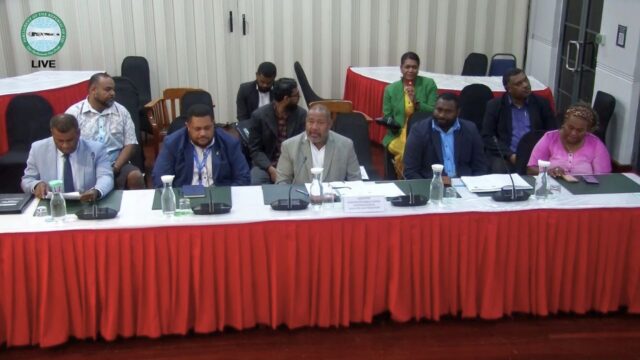
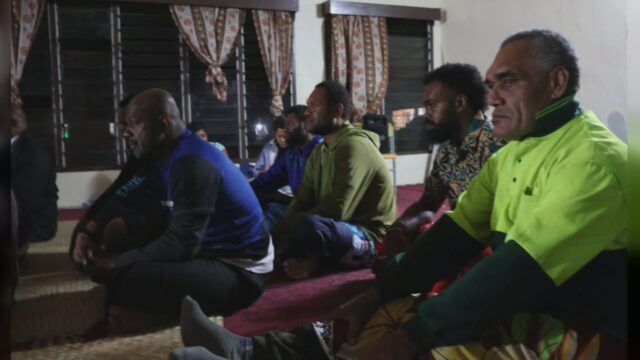
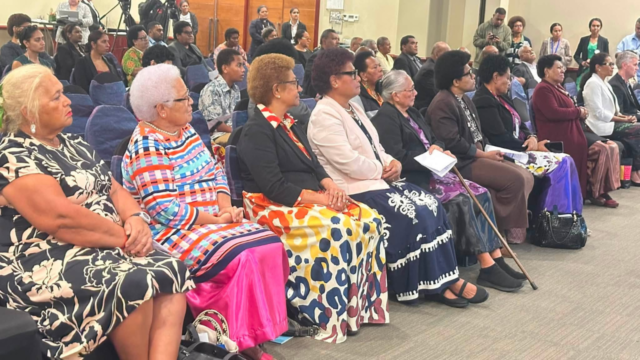
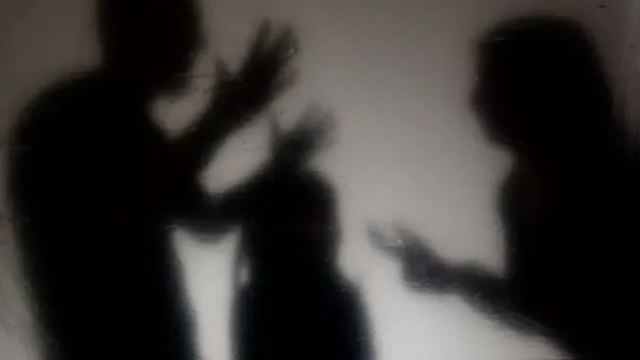
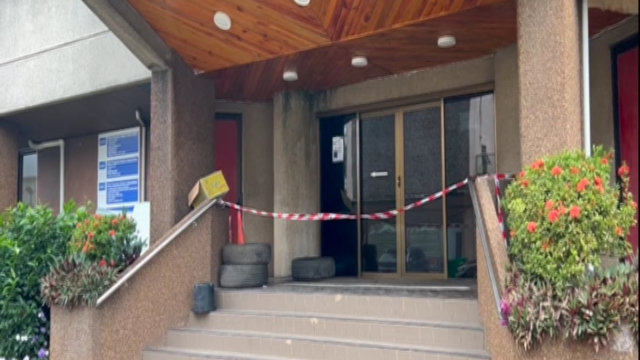
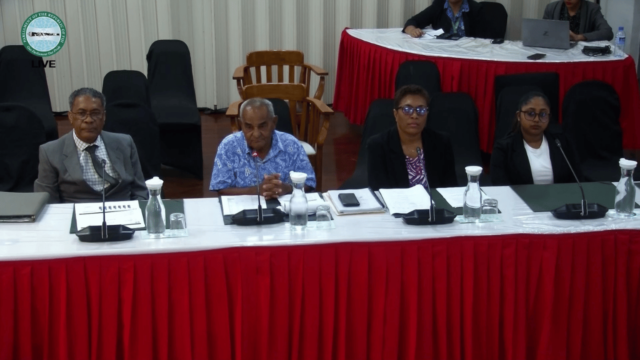
Those are the powerful words of a survivor who appeared before the Fiji Truth and Reconciliation Commission during a private hearing in Suva.
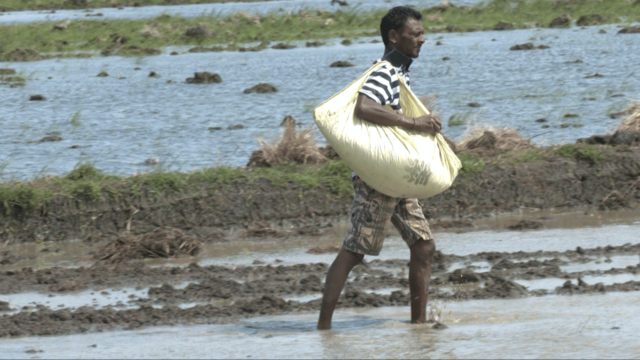
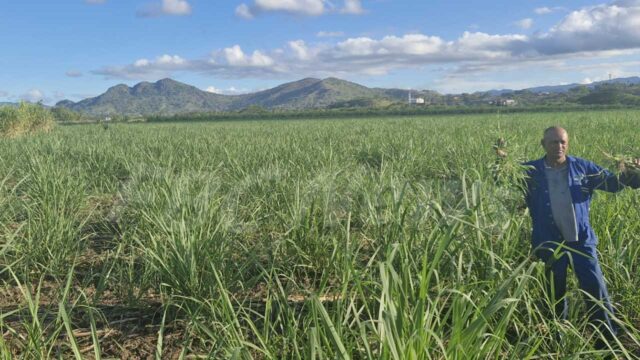
Sharing deeply personal experiences, the survivor, who requested to remain anonymous, spoke of a life shaped by political unrest, fear and loss in a farming community on Viti Levu.
The survivor says the coups of 1987 and 2000 left lasting scars, not just physically and economically, but psychologically.
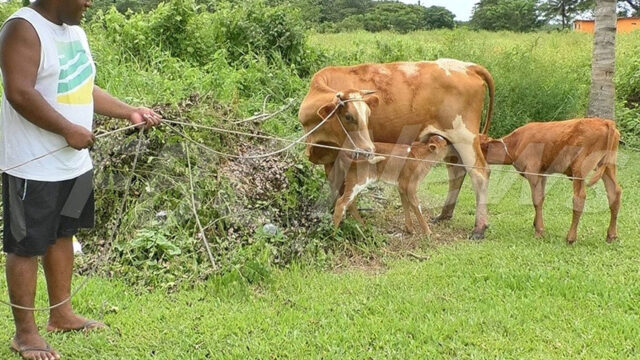
In the early 1990s, during severe flooding, tensions turned violent when armed individuals attempted to seize livestock washed away by floodwaters.
The survivor says it was the first time they believed they would die.
Thirteen cattle were lost that day, a devastating blow to a farming livelihood.
Years later, just days before the 2000 coup, violence again erupted.
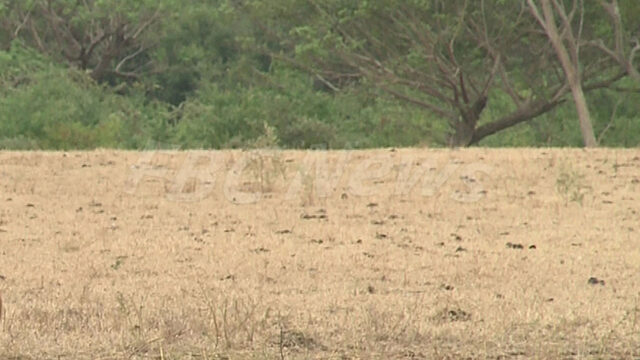
Homes were attacked, stones were thrown, and families were forced to hide through the night — some fleeing into the bush, others taking cover in dalo and cassava fields.
Livestock were stolen and slaughtered, with remains left behind, a stark reminder of the destruction.
The survivor says the impact went far beyond property damage.
Fear, mistrust, and trauma continue to affect daily life, limiting full participation in the community.
Despite rebuilding with others’ support, the scars remain.
The survivor is now calling for action, including resolving land issues, enforcing the rule of law, and compensation for losses.
The testimony highlights the deep and lasting impact of Fiji’s political violence, and the ongoing challenge of achieving true reconciliation.