 Praneeta Prakash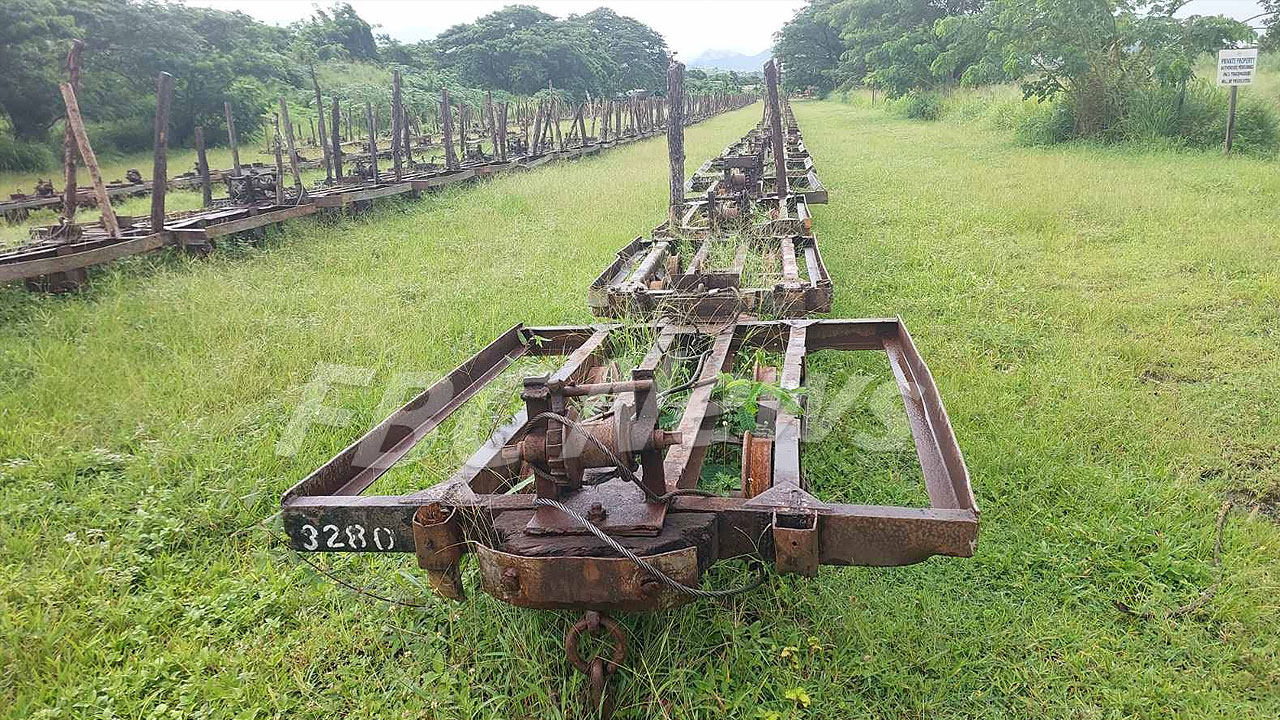
The Standing Committee on Foreign Affairs and Defence is criticizing the Ministry of Agriculture, Waterways and Sugar for failing to include a detailed transport analysis in its 2020–2021 Annual Report.
Committee members noted the report lacks cost comparisons between rail and road transport, as well as the long-term impact of declining rail usage.
Deputy Chair Rinesh Sharma says these omissions prevent Parliament from fully understanding the consequences for farmers and the sugar industry.
Fiji Sugar Corporation Chief Executive Bhan Pratap Singh says rail transport, historically the main method of transporting cane, now accounts for less than five percent of deliveries.
Over the past 15 to 20 years, there has been a gradual change in the percentage of cane that is delivered by rail and by road. Traditionally, it was 70% rail and 30% road. Currently, it’s 95% road, less than 5% rail. We’re going down to as low as 3% of cane delivered to the mills by road.
Singh says the change is due to mechanization and labour shortages.
So growers prefer to use the lorry mode of transport rather than rail transport. So we have been gradually reducing rail operations because it’s a huge cost to FSC. That rail transport is fully managed and fully sustained by FSC.
However, Standing Committee on Foreign Affairs and Defence member, Virendra Lal challenged this explanation.
But that is expensive for the farmers, isn’t it? You are looking at the cost of FSC’s operations, but what about the farmers? The farmer’s cost is going up when they use trucks to cart cane to the mills.
However, the FSC CEO maintains that farmers prefer using mechanical harvesters and trucks to deliver cane.