 Ritika Pratap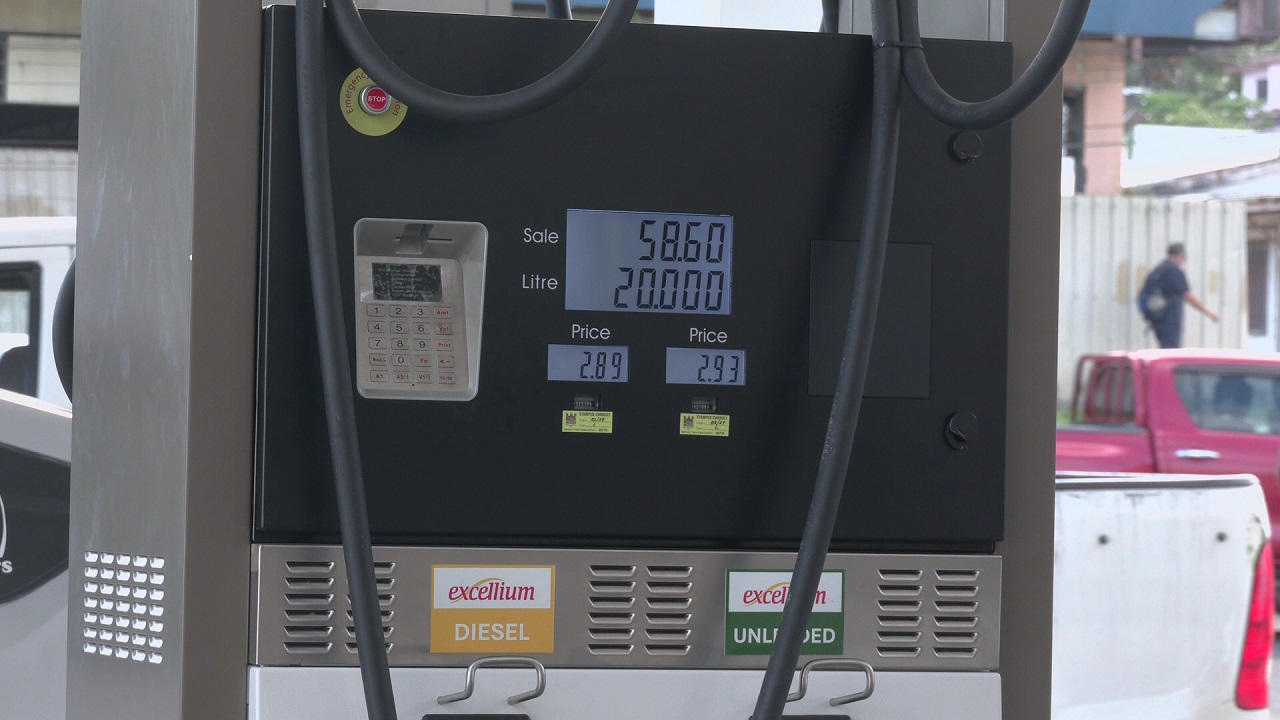
The inclusion of more recent international price data, particularly from late March, to calculate the fuel prices for April, has effectively brought forward the domestic impact of global price increases.
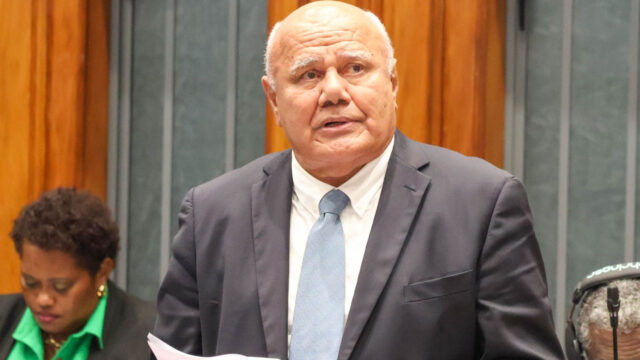
These are the sentiments of Asia Pacific Regulatory Centre senior advisor and consultant, Joel Abraham.
Abraham says this is not a trivial adjustment; it is a shift that carries real consequences.
There is a public outcry after local motor spirit and diesel prices increased by 25 to 30 percent this month.
Fiji’s existing fuel pricing framework has historically incorporated a lag of typically around two months between movements in international benchmark prices and domestic price adjustments.
Abraham says this is not an accident of design.
He explains that it serves a critical function as it creates a buffer against immediate volatility; provides space for businesses and households to adjust; and, most importantly, it gives the government time to respond deliberately, rather than reactively.
Abraham adds that under normal circumstances, the current global price escalation would have been expected to meaningfully reflect in domestic prices closer to May.
He states that a one-month window between emerging global signals and full domestic impact was not merely a technical delay. It was policy space.
According to Abraham, what appears to have occurred in the most recent price determination is a compression of that space.
Abraham says this shift carries real consequences as households will experience cost-of-living pressures earlier; businesses will face immediate cost escalation; inflationary pressures are accelerated; and critically, the government loses valuable time to calibrate its response.
Abraham stresses that the issue is not whether prices should increase; they must, given global conditions.
He states that the issue is that the timing of this increase has removed a critical window that the government had to respond in a coordinated and measured way.
He states that that window, approximately one month, may seem insignificant, but it is not.
Abraham states that in that time, the government could have finalised a structured fuel price smoothing approach, which it has already started; engaged industry stakeholders more comprehensively; aligned fiscal, regulatory, and social protection responses; and communicated a unified national strategy.
Instead, he says that the shock has arrived earlier than anticipated.
According to Abraham, that window was not idle time; it was an opportunity for alignment, consultation, and preparation.
He stresses that its removal constrains policy at precisely the moment it is most needed.