 Bose Vavataga
[Photo: Supplied]
Fiji’s hotels and resorts are looking at ways to preserve their traditional tropical designs while reducing the cost and work involved in maintaining thatched roofs commonly known as BURE.
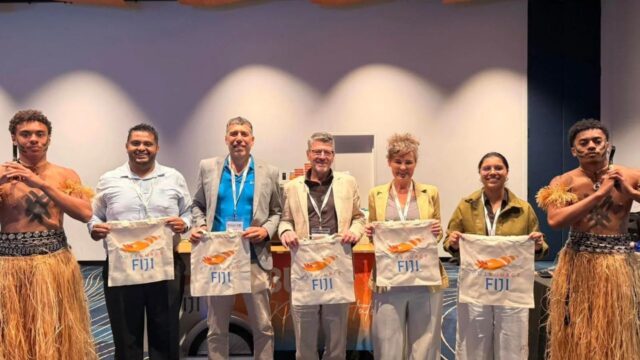
A Canadian company, Palmex International, is promoting a synthetic palm roofing product at the HOTEC 2026 in Nadi, offering an alternative to natural thatching.
Head of Business Development Emmanuel Fritsch says the product is designed to look like natural palm leaves but last much longer.
Fritsch says the roofing material has been used in more than 100 countries over the past 30 years, with a lifespan of between 20 and 50 years.
He says one of the biggest challenges for Fiji’s hotel operators is replacing natural thatched roofs as they age and deteriorate.
“Main challenges that exist here in the hospitality in Fiji is the premature aging and deterioration of the natural thatched roof grass, right? And this engineered solution here provides exactly this response to this challenge because it’s non-toxic”
Made from food-grade high-density polyethylene, the roofing is non-toxic and does not require chemical fumigation.
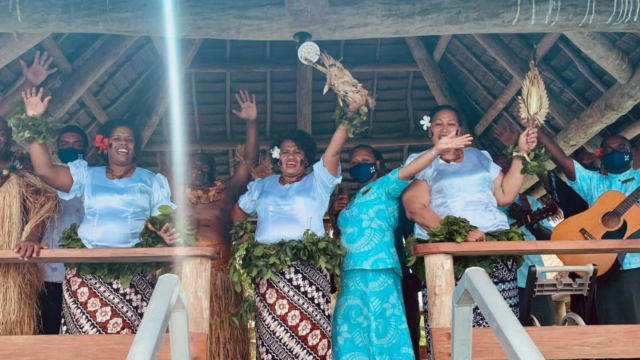
Designed to resemble traditional Fijian thatching, it gives hotels and resorts a way to retain the familiar Bure look without the regular upkeep of natural palm leaves.
The material can be installed over existing roof structures or on an open rail system, making it suitable for different resort designs.
More than nine major hotels in Fiji have already turned to Palmex products, as the tourism industry looks for roofing options that last longer and cost less to maintain.
For Fiji, where the Bure remains part of the island experience, the focus is on keeping that traditional look alive while finding practical ways to maintain it.