 Riya Mala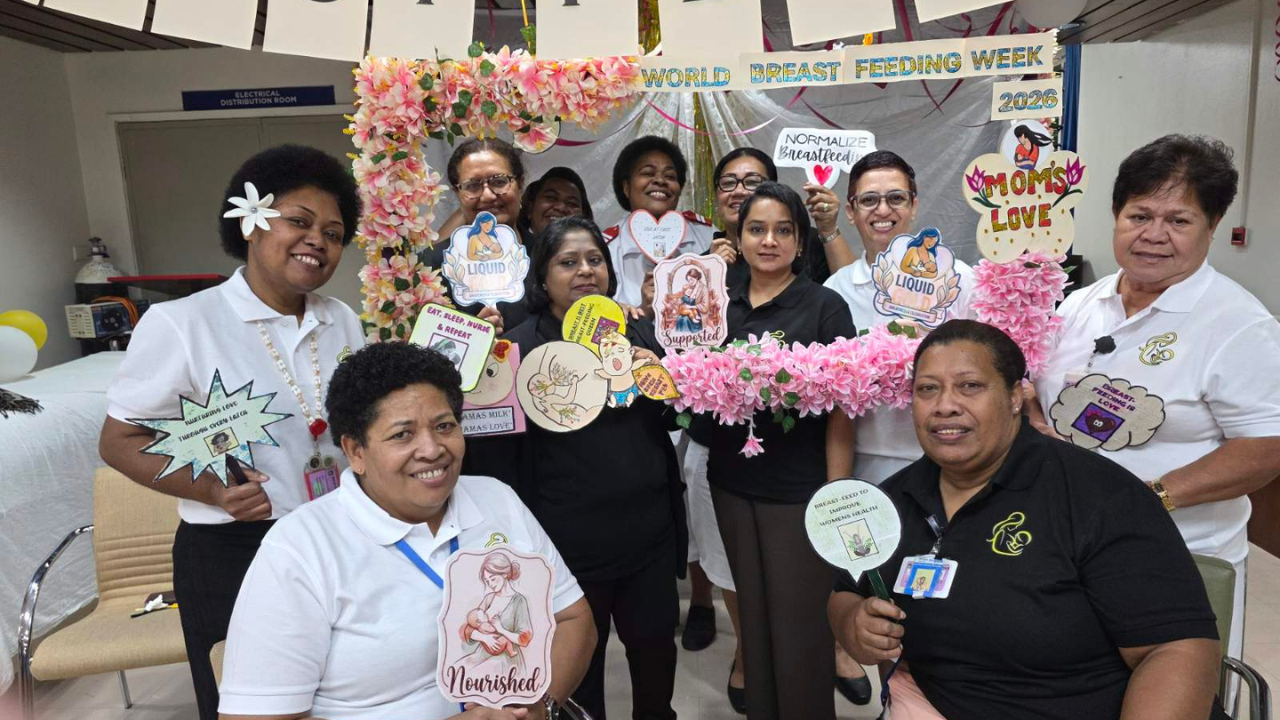
[Photo: FILE]
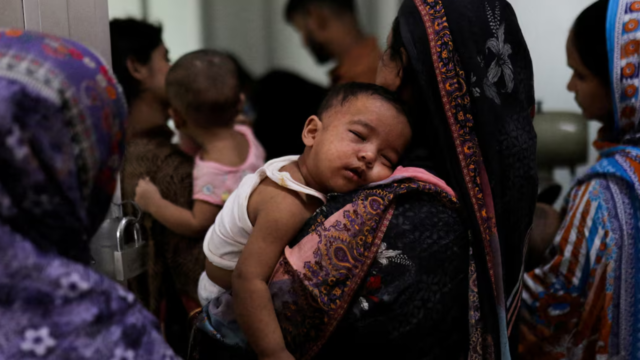
Breastfeeding is being highlighted as one of Fiji’s most powerful tools to reduce future non-communicable diseases and build healthier generations.
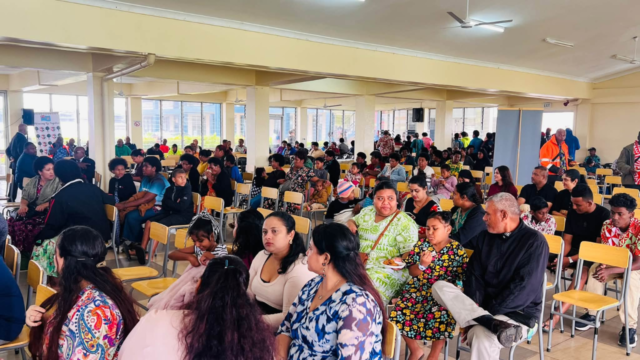
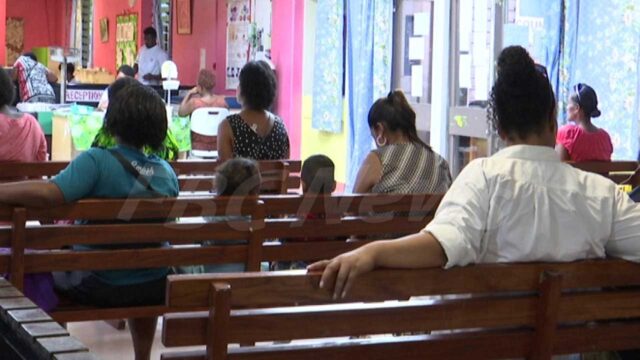
This was highlighted by UNICEF Pacific Chief of Health and Nutrition Yuki Suehiro during World Breastfeeding Week commemorations at CWM Hospital.
Suehiro says breastfeeding should not be viewed only as a way of feeding babies, but as an investment in Fiji’s future human capital.
She says the first 1,000 days of life are critical in shaping a person’s lifelong health, with early nutrition influencing the risk of obesity, diabetes, cardiovascular disease and other NCDs later in life.
With NCDs accounting for the majority of deaths in Fiji and placing increasing pressure on families and the health system, Suehiro says prevention must begin from the earliest stages of life.
“Breastfeeding is one of the smartest investments a country can make in human capital. Breastfeeding is not simply about feeding a baby. It is one of the most cost-effective investments available to improve child survival, learning, productivity, and economic development. At the same time, it also improves the health and wellbeing of mothers.”
She says breastfeeding can also support cognitive development, learning and healthy brain function, making it both a nutrition and early childhood development intervention.
However, Suehiro says while Fiji performs reasonably well in initiating breastfeeding, exclusive breastfeeding rates remain lower than desired.
She says families, workplaces, communities and the health system must work together to ensure mothers receive accurate, compassionate and evidence-based support.
UNICEF is also calling for stronger Baby-Friendly Hospital initiatives and greater investment in health workers so breastfeeding support continues from pregnancy through childbirth and throughout the first 1,000 days.
She says investing in breastfeeding today can contribute to better learning outcomes, healthier adults, a lower future NCD burden and a stronger Fiji.