 Litia Cava
[Photo: File]
The Fiji Women’s Rights Movement has questioned whether some proposed electoral penalties could punish people twice and disproportionately damage women’s participation in politics.
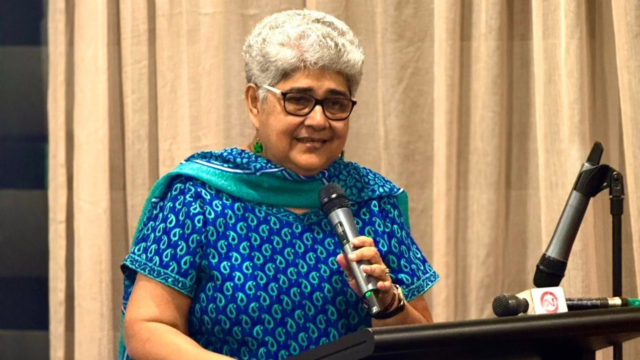
FWRM Executive Director Nalini Singh told the parliamentary committee that a four-year disqualification from voter registration is a serious penalty because it directly interferes with the constitutional right to vote.
She says the stronger the penalty, the greater the need for due process.
FWRM is calling for electoral offences to be clearly defined, with a clear distinction between corrupt and illegal electoral practices.
It also wants people accused of electoral offences to have access to a fair hearing, with disqualification imposed only after a properly established legal finding.
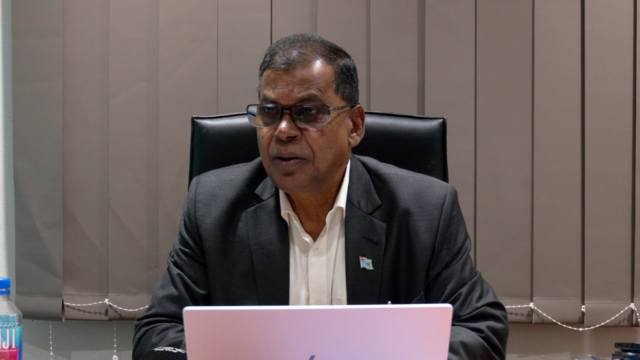
Committee Member Faiyaz Koya questioned whether a person who has already served a penalty for an electoral offence should then face an additional period of disqualification from voting.
He raised concerns that continuing disqualification could amount to double jeopardy.
Singh agreed that once a person has served the penalty, their constitutional right to vote should be restored.
The committee also questioned the proposed four-year corrupt electoral practices list.
Singh said placing a woman candidate on such a list could be particularly harsh given the small number of women currently represented in Parliament.
She acknowledged that the seriousness of any case would depend on the nature of the charges, but agreed that being placed on a public list could have consequences beyond the original penalty.
FWRM is therefore calling for strict controls over the proposed list.
It wants people included only after a legally established conviction or finding, with written notice given to the affected person and a process to correct inaccurate information.
It also wants restrictions on who can access the list, clear rules governing publication, automatic removal after four years and independent oversight.
Singh says electoral integrity must be protected without creating unnecessary or disproportionate consequences.
FWRM is also warning that proposed changes to political donations could widen financial inequality in elections.
Singh says removing the existing $10,000 annual donation limit could allow wealthy individuals to gain disproportionate influence over political parties and decision-making.
She says women candidates may already have less access to money, business networks and political connections, meaning unlimited political donations could make it harder for them to compete equally.
FWRM is calling for the $10,000 annual donation limit to remain.
It also wants significant donations identified, measures to prevent donors from hiding behind other individuals, checks on the source of political funds and early public disclosure of donation information.
The organisation is also opposing the removal of candidates’ personal financial declarations.
Singh says financial declarations give voters information about candidates’ assets, business interests and other financial connections that could create conflicts of interest.
She says campaign spending rules must also prevent money or other forms of support from being shifted between candidates, parties or outside groups to circumvent spending limits.
FWRM wants candidates to retain sufficient time to complete their financial returns, with the information published online in a simple and accessible format.
It also wants authorities to distinguish between genuine administrative mistakes and deliberate attempts to hide or falsify financial information.
Singh said stronger financial transparency would help create a more equal electoral environment, particularly for candidates who do not have access to substantial financial resources or political networks.