 Litia Cava

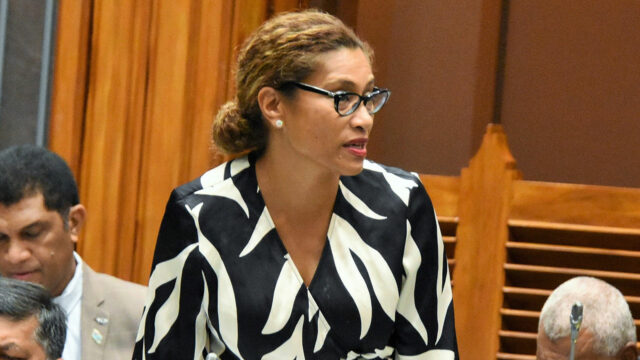
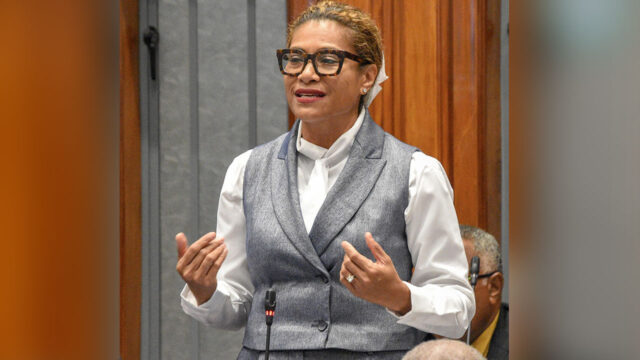
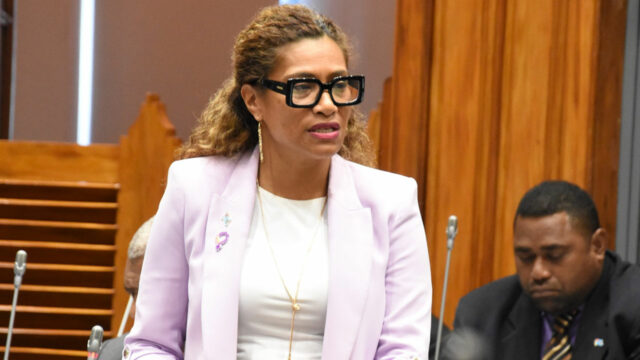
[Photo: Parliament of the Republic of Fiji/FACEBOOK PAGE]
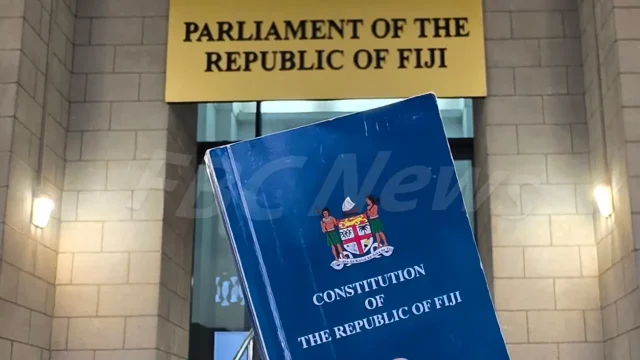
The Fiji Law Society stated that the proposed Senate structure could weaken democratic representation.
It is also calling for clearer constitutional safeguards to ensure the military remains under civilian control.
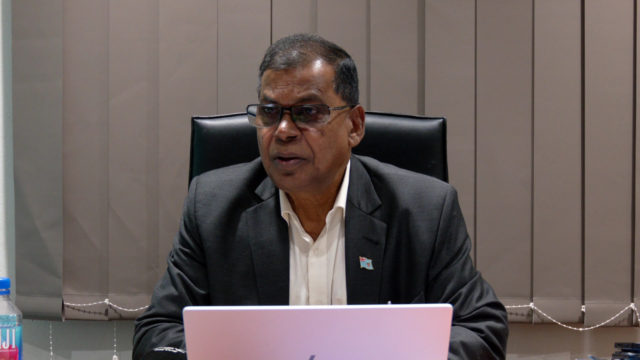
In its submission to the Special Committee, Fiji Law Society President Graham Leung said the Constitution must clearly establish the supremacy of democratically elected civilian authority.
The Society wants Section 131 amended to remove any ambiguity over the military’s constitutional role, arguing that its principal responsibility should be defending Fiji against external threats.
Leung said the military must serve the constitutional order and remain subordinate to democratically constituted civilian authority.
The FLS also opposes Clause 76, which provides for the composition of the proposed Senate.
The Society argues that giving unelected members of the Bose Levu Vakaturaga numerical dominance would weaken the Senate’s democratic foundations.
It also questions whether restoring a second parliamentary chamber is justified, given the financial implications for Government.
The FLS says the cost of establishing and maintaining a Senate must be weighed against the need for effective and accountable governance.
On the presidency, the Society supports restoring a constitutional role for the Bose Levu Vakaturaga but rejects giving it exclusive authority to appoint the President and
Vice-President.
Instead, it proposes a seven-member Presidential Appointment Commission comprising the Prime Minister, Leader of the Opposition, three representatives of the Bose Levu Vakaturaga, one representative of the Fiji Council of Churches and one representative of interfaith religions.
The Society says the presidency is a national constitutional office and must remain a symbol of unity rather than be seen as representing a particular ethnic, cultural or political group.
The FLS also supports limiting the President to two three-year terms.
It says constitutional reform should recognise Fiji’s cultural and historical foundations while strengthening democratic accountability and institutional independence.
The Society maintains that the proposed changes must protect the balance of power, uphold the rule of law and ensure that unelected institutions do not undermine democratic governance.