 Litia Cava
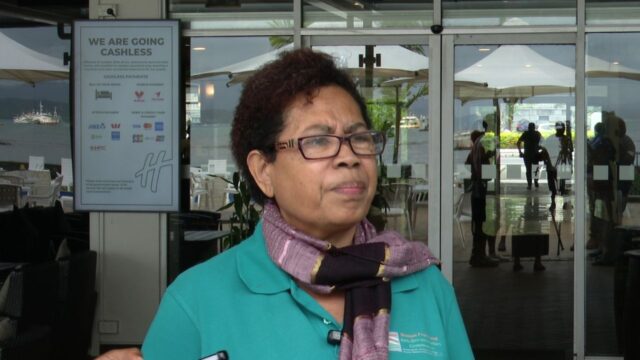
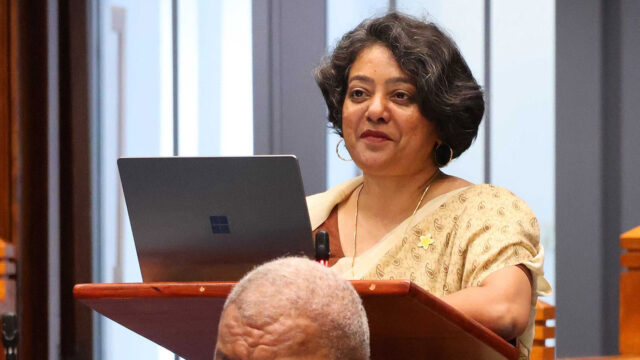
[Photo: Litia Cava]
High remittance fees continue to drive up the cost of sending money across the Pacific.
In some regional corridors, charges reportedly far exceed the United Nations’ target of three per cent.
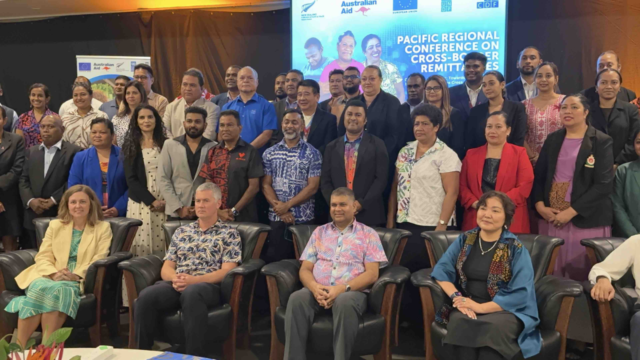
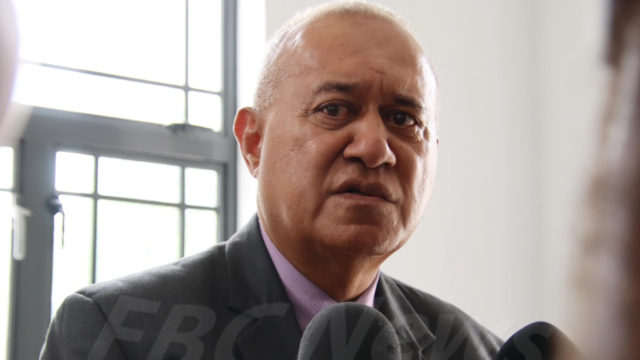
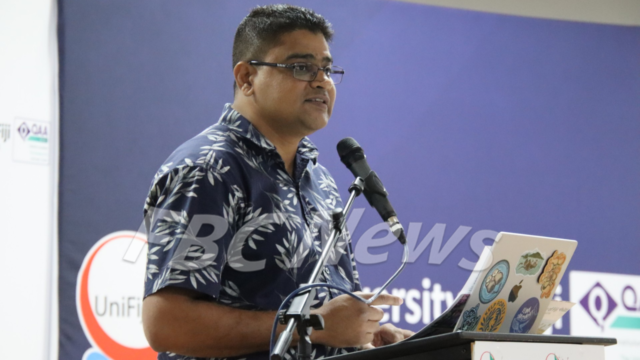
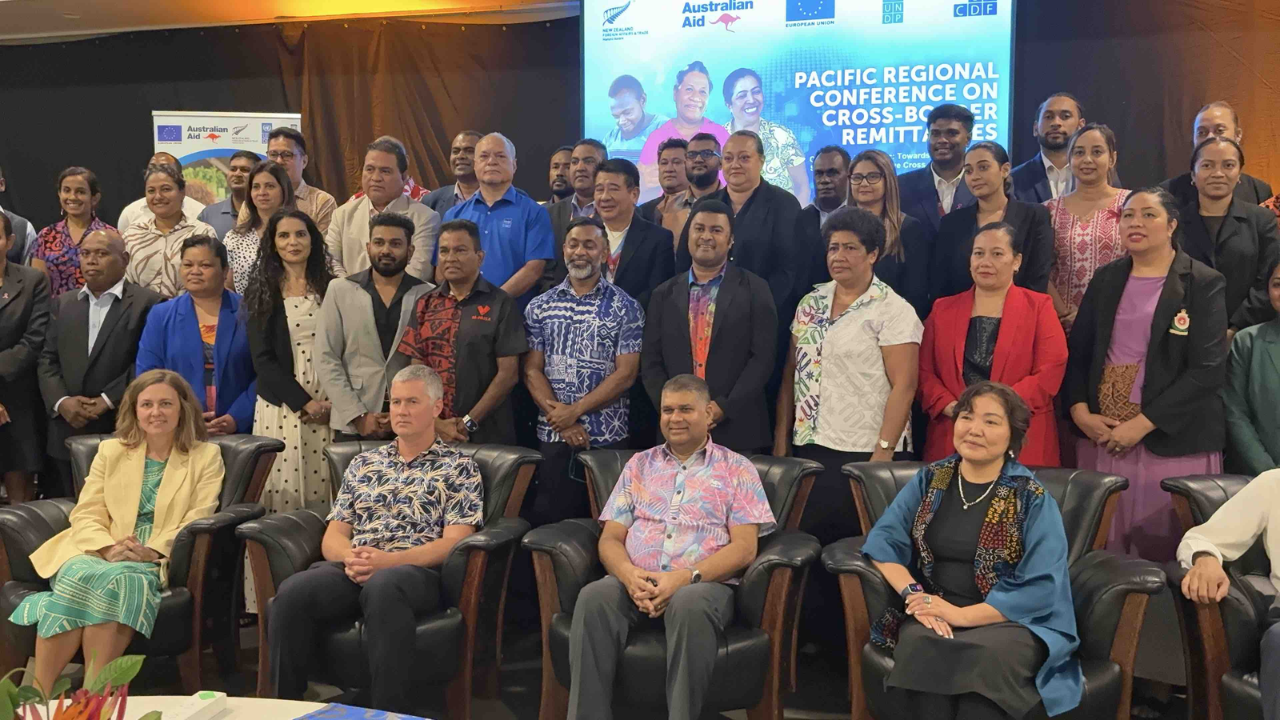
Reserve Bank of Fiji Governor Ariff Ali pointed this out during his opening address at the Pacific regional conference on cross-border remittances in Suva today.
He explained that the high cost of transferring money reduces the amount families receive, despite their relatives working overseas to support them.
“The smallest, most remote corridors, including many of ours, risk being left behind.”
Ali says some Pacific corridors face costs higher than the global average of about 6.5 per cent placing smaller and more remote markets at risk of being left behind.
He believes that the region must also address growing pressure on correspondent banking relationships, which can make access to international payment networks more difficult and expensive for financial institutions.
The new United States levy on remittances is another concern the Pacific cannot afford to ignore, given the region’s reliance on money sent home by overseas workers.
Regional assessments indicate Pacific Island countries received about US$1.4 billion in formal remittances in 2023.
These funds support household spending, national reserves and economic stability.
In Fiji, remittances have become the country’s second-largest source of foreign exchange after tourism, making affordable and reliable transfers increasingly important.
Ali said reducing costs would require regional cooperation, stronger payment systems and better alignment of financial regulations across Pacific countries.
He adds that differences in regulatory requirements can create barriers to innovation and increase operating costs, particularly in small markets.
The Governor said the region must work towards a more connected payments system that allows people to transfer money across borders more cheaply, quickly and securely.
He says the two-day conference brings together regulators, policymakers, financial institutions, mobile money providers and development partners to identify practical solutions.
Ali said the priority was to ensure that remittances reach families with less money lost to transaction fees while maintaining secure and reliable payment services.