 FBC News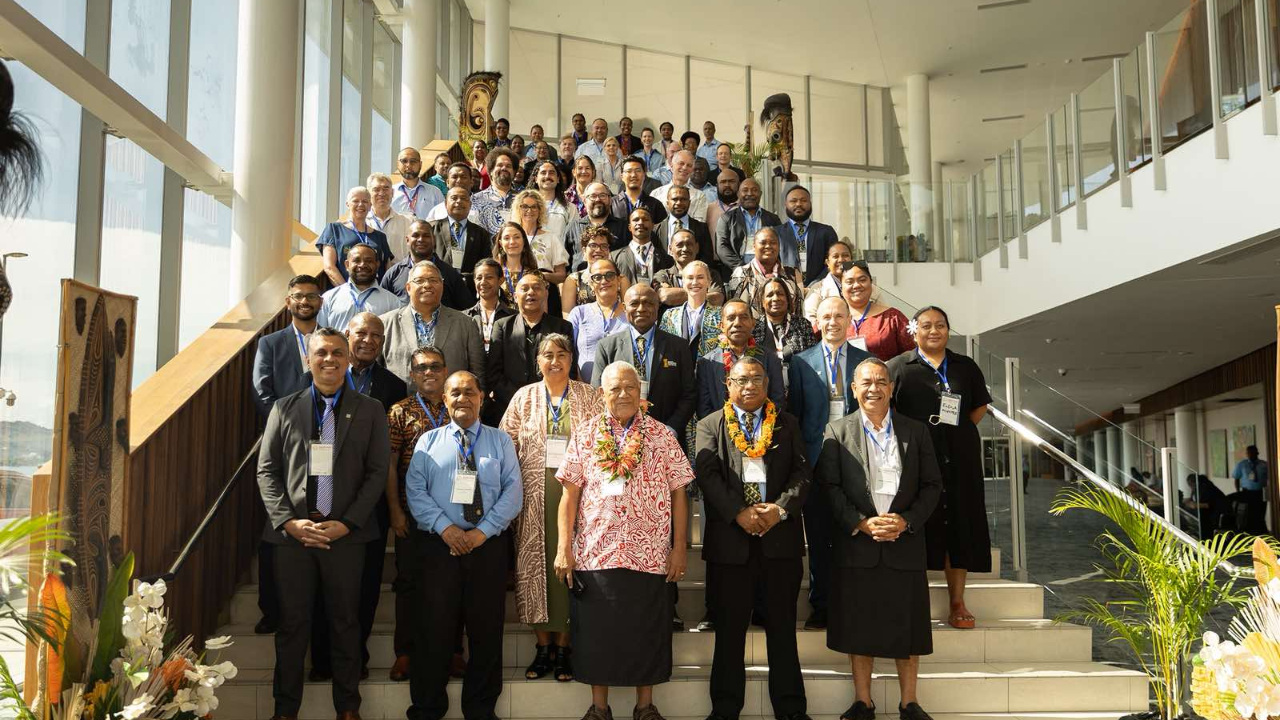
Against this backdrop, Papua New Guinea outlined plans to strengthen its digital infrastructure and prepare for an AI-driven future. [Photo: FILE]
Pacific media organisations are under growing pressure from falling revenue, rapid tech change and rising costs.
These challenges are reshaping how they operate and sustain their services.
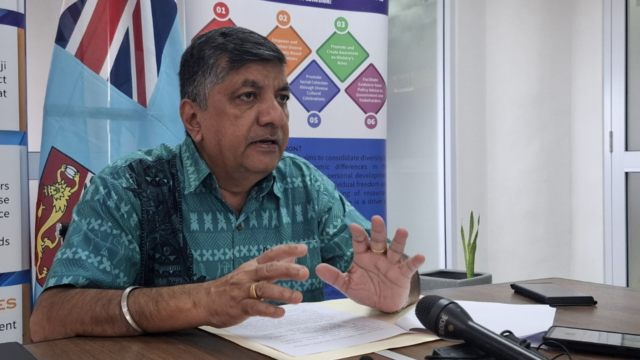
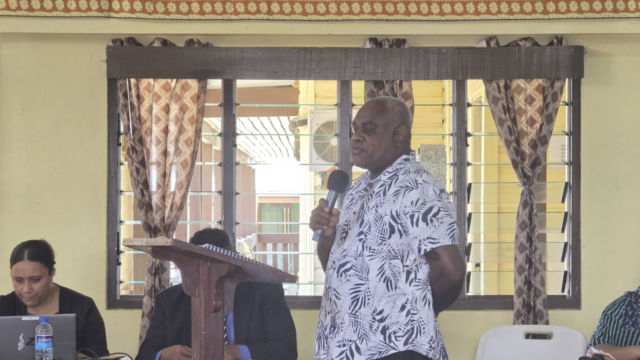
Speaking at the opening of the Pacific Media Partnership Conference 2026 in Port Moresby, Asia-Pacific Broadcasting Union News Director Indra Singh said broadcasters are operating in a challenging environment shaped by limited resources, climate pressures and the high cost of reaching dispersed island communities.
Delivering remarks on behalf of ABU Secretary General Ahmed Nadeem, Singh said financial sustainability remains one of the region’s biggest concerns as media organisations adapt to shifting audience behaviour and new technologies.
He said Pacific broadcasters continue to play an important role in informing communities, preserving culture and building public trust.
However, he notes that long-term viability will depend on stronger business models, investment in skills development and better use of emerging technology.
Singh also urged greater regional cooperation, saying partnerships can help broadcasters manage shared challenges, pool resources and create new opportunities.
He welcomed the introduction of a pitching session at this year’s conference, describing it as a practical way to encourage content sharing and collaboration across the region.
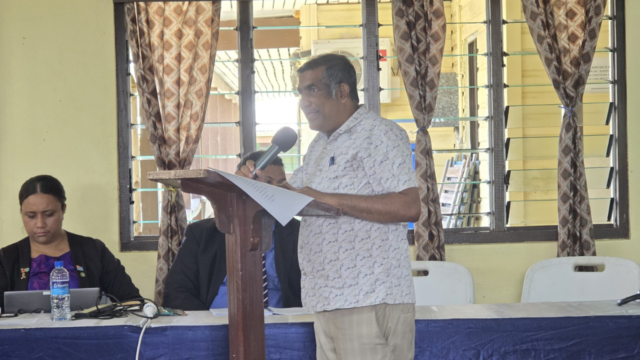
Against this backdrop, Papua New Guinea outlined plans to strengthen its digital infrastructure and prepare for an AI-driven future.
Speaking on behalf of Information Minister Timothy Masiu, National Broadcasting Corporation Board Deputy Chairman Henao Iduhu said the government is investing in systems to modernise public services, expand digital access and strengthen cybersecurity.
He said a national digital identity platform is being developed to give citizens secure access to online services while helping reduce fraud.
Supporting systems, including a government cloud platform, secure data exchange network and electronic payment gateway, are expected to improve efficiency across agencies.
Iduhu said the National Cyber Security Centre remains central to protecting critical infrastructure and strengthening digital resilience. Work is also continuing on a national data centre to provide secure local hosting and computing capacity.
He said these investments are laying the foundation for the responsible use of artificial intelligence.
A National AI Strategy is being developed to guide ethical use of the technology and align it with national development goals.
He also highlighted progress within the National Broadcasting Corporation, noting that digital television services have been rolled out at headquarters and nine provincial stations under the Analog-to-Digital Migration Project.
Approval has been given for the next phase, which will extend digital television services to 12 more provincial stations.
Iduhu said NBC’s internet radio platform, recently launched, is another step towards wider access to public broadcasting.
The conference, hosted by the National Broadcasting Corporation in partnership with the Asia-Pacific Broadcasting Union, is being held under the theme Resilient Voices: Empowering Blue Pacific Media.
It brings together media leaders and practitioners from across the region to discuss sustainability, innovation and the future of journalism in a digital era.
Representing the Fijian Broadcasting Corporation are Multimedia Journalist Litia Cava and FBC TV General Manager Sitiveni Halofaki.