 Litia Cava
The proposed Referendum Bill is deeply flawed and should be rewritten, the Electoral Commission has warned.
The Commission states that it casts doubt on the country’s ability to run a credible vote.
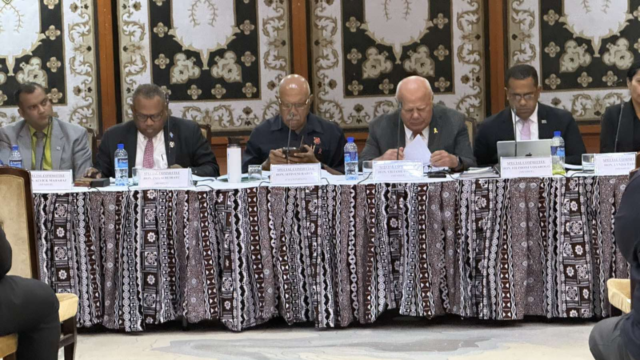
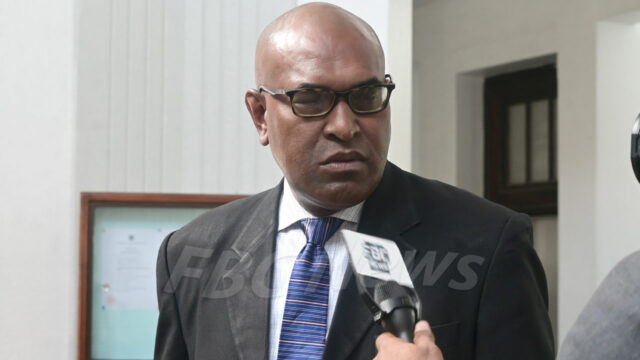
Electoral Commission Chair Usaia Ratuvili told the Standing Committee on Justice, Law and Human Rights that the bill cannot support a referendum in its current form.
He states that it lacks a clear framework for how the process would work. Key procedures, powers and responsibilities are missing.
“So our conclusion is that a redraft is in order, even if we make the amendments as they are, we can’t think of anything else, and hopefully a fresh set of eyes, with drafter assistance, is given to them and they take on board the various submissions that have been heard and publicised.”
Ratuvili points out that the bill focuses heavily on penalties instead of outlining how a referendum should be conducted. He described this as inconsistent with the purpose of the law. He added that even with amendments, the gaps are too large to fix.
He said a full redraft was needed. He called for broader input and technical expertise to produce a workable law.
Opposition MP Faiyaz Koya also raised concerns about how referendum questions would be set. He warned against leaving that role solely to politicians. He pointed to older models including Singapore in the 1960s, saying they were designed to produce a desired result and are not suitable for Fiji today.
Koya questioned whether an independent body should help frame referendum questions to ensure fairness and public trust.
Ratuvili said the Constitution places that responsibility on Parliament through amendment laws. However, he said other approaches could be considered if there was agreement to remove that role from politicians. He stressed the election management body should not draft the question.
The Commission also warned that parts of the bill could breach constitutional rights. Ratuvili said “referendum activity” was not clearly defined. He said the restrictions are too broad and could limit public discussion.
He said the provisions could stifle freedom of expression and association.
He warned they may discourage people including young citizens from engaging in debate. He said a referendum should promote open discussion, not restrict it.
Ratuvili also cautioned against using regulations to fix major gaps. He said core processes must be set out in the main law. Regulations, he said, should only support the law, not replace it.
The Commission concluded the bill lacks structure and coherence. Ratuvili states key mechanisms are missing. He warns that without a full rewrite, any referendum could be undermined.