 Josefa Sigavolavola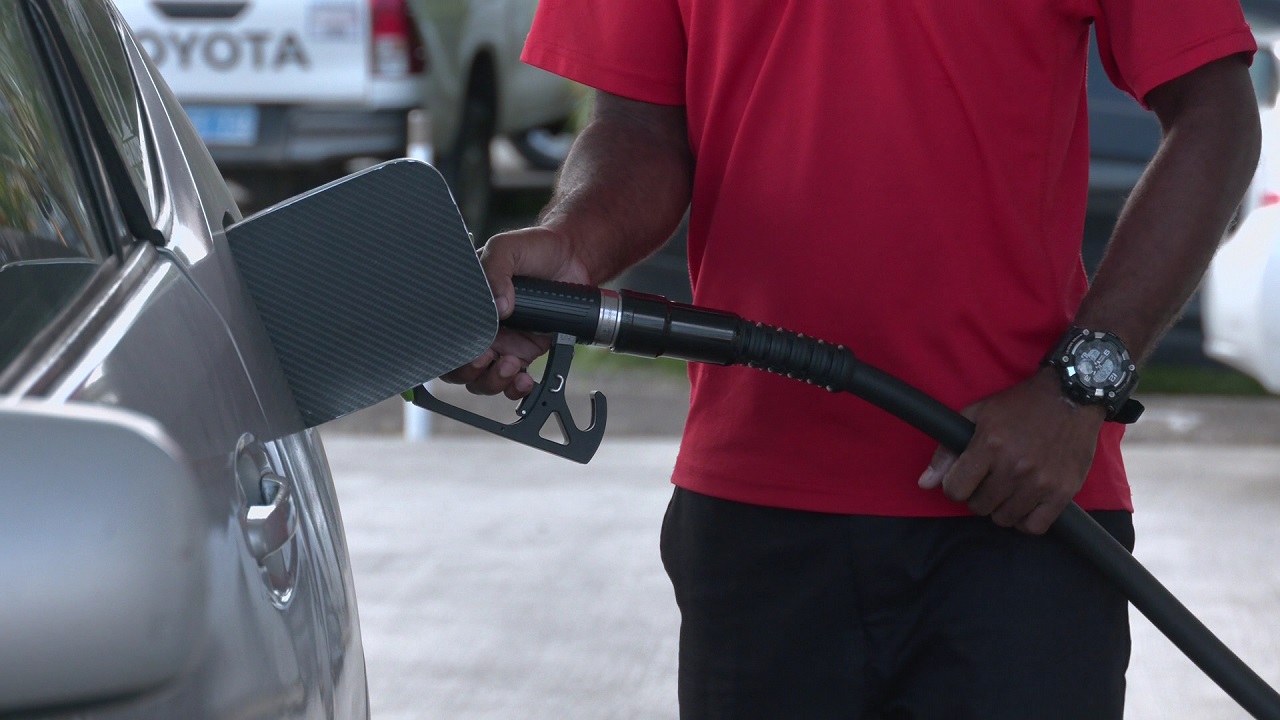
[Photo: FILE]
The government is being urged to review Fiji’s fuel pricing model after the recent shortage in Taveuni exposed concerns that maritime communities are unfairly paying more for essential supplies.
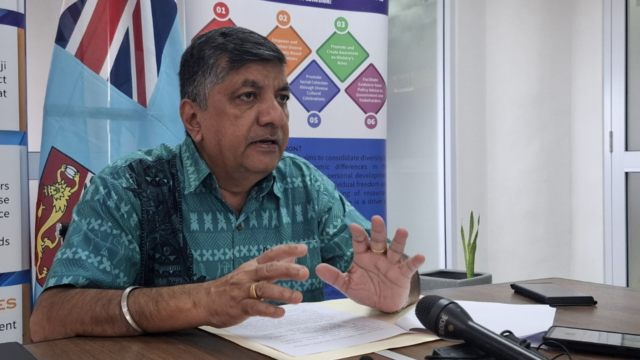
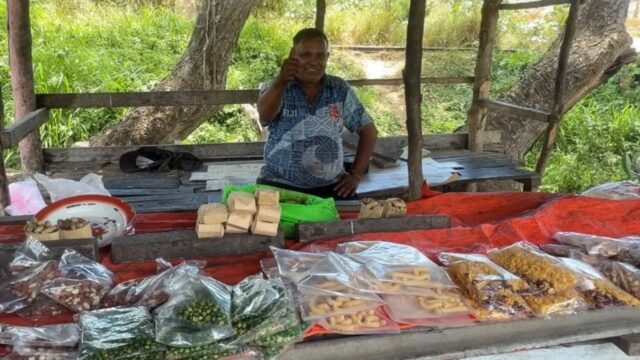
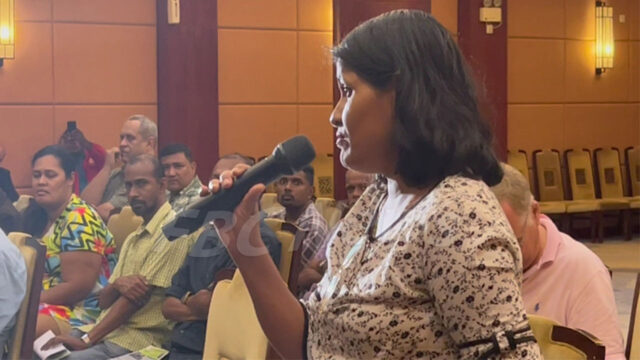
Taveuni farmer and business owner Satya Shandil says people living on outer islands have long suffered higher fuel costs.
He argues that additional freight costs should be absorbed by the government rather than passed on to consumers.
He believes the latest disruption has exposed longstanding flaws in the country’s fuel pricing mechanism.
“It’s the government’s responsibility to ensure the price mechanism is done in such a way that we all get a fair price.”
According to him, Taveuni residents pay around 40 cents more per litre than consumers on Viti Levu, placing an unfair burden on families and businesses in remote locations.
He argues the cost of transporting fuel to maritime islands should be shared nationally, similar to how electricity and telecommunications services are priced.
“We should be paying equal prices for the fuel supply in Viti Levu and Vanua Levu. Why should Taveuni be disadvantaged? Why should Lau, Rotuma, Kadavu, and Levuka be disadvantaged? Because we are staying far from the mainland? No, it’s the government’s responsibility.”
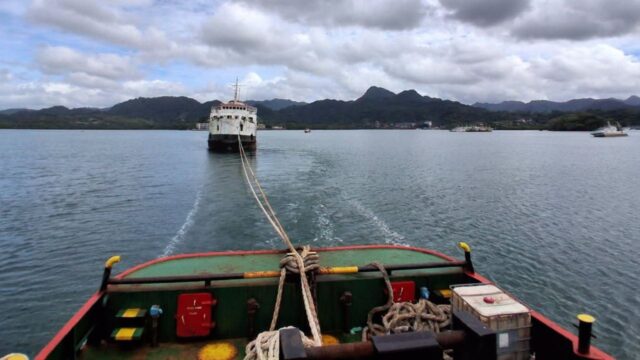
Shandil says the issue worsened after a change in shipping operators led to higher freight charges.
The shortage has also disrupted farming operations on the island.
“We have money to pay for the fuel, but there’s no fuel. There’s no supply on the island. The government should be responsible. It’s their duty to ensure they supply fuel.”
He adds that the recent crisis is the result of years of policy decisions failing to address the unique challenges faced by maritime communities.
Residents are now calling on the government to review the fuel pricing formula to ensure outer islands are no longer disadvantaged.