 Ritika Pratap
[File Photo]
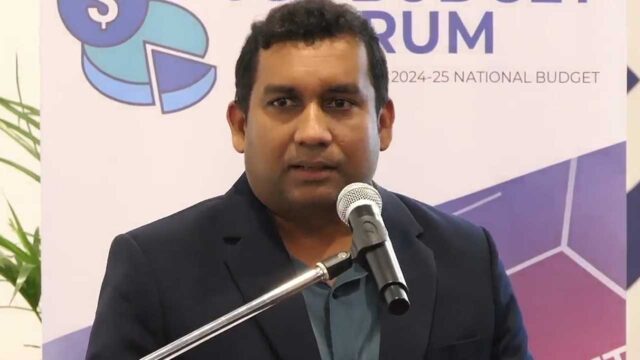
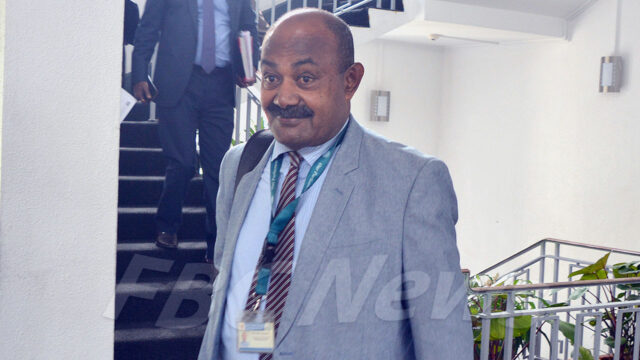
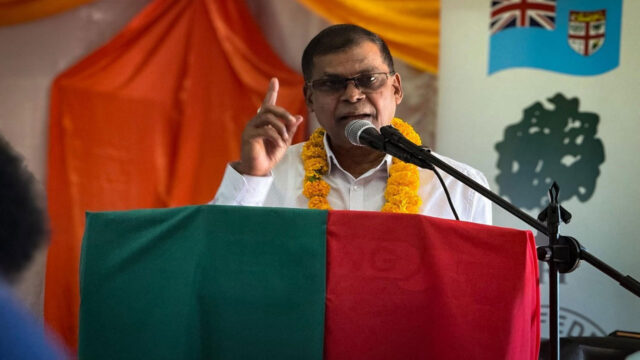
ANZ Senior Pacific Economist, Dr Kishti Sen, says the 2026-27 National Budget assumed a worst-case set of economic assumptions to project revenue.
Dr Sen says the forecasts assume real GDP growth of 1.5% in 2026 with nominal GDP rising of four percent versus baseline assumptions of three percent and 5.5% respectively.
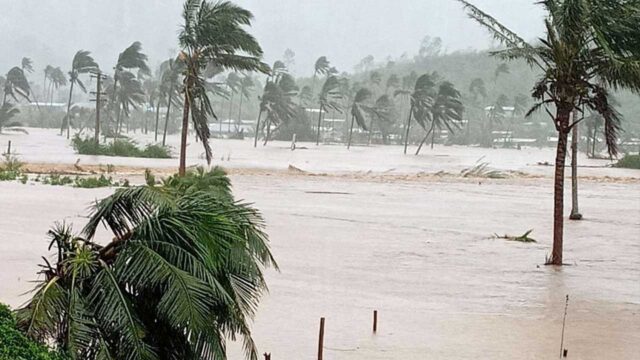
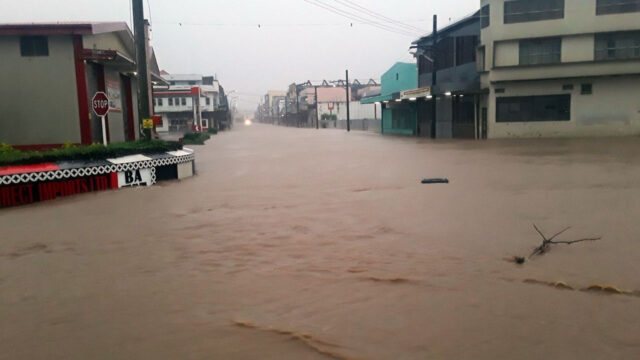
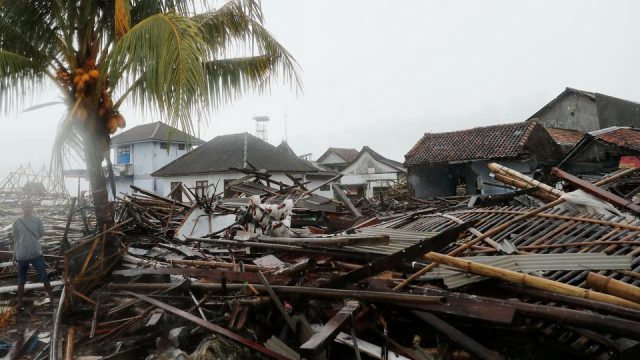
He states that the worst-case scenario assumes a “period of heightened external and domestic challenges, including weaker global growth, natural disasters and lower investor confidence.”
However, Dr Sen forecasts real GDP growth will be stronger than the budget is forecasting.
He says that the global economy has been resilient to the oil price shock, and they expect world GDP to increase by 3.1% this year strengthening to 3.4% in 2027.
In addition, Sen says Fiji has a stabilising factor, in the form of overseas remittances, which help to stabilise household consumption.
He adds that during natural disasters and the COVID-19 pandemic, friends and families working abroad often sent part of their earnings back to Fiji.
Remittances this year are tracking higher than the record $1,200m receipts in 2025.
In addition, Sen says that tourists are still coming to Fiji in large numbers, with visitor arrivals up 2.3% on last year, helping sustain jobs in the tourism industry.
He adds that farmers are also receiving good returns on agricultural produce, with export revenue up five percent last year.
So, according to Sen consumer demand is still well supported and private investment is holding up well.
He says that they are forecasting real GDP growth of 2.7% in 2026 and 2027 before strengthening to 3.2% in 2028.
If realised, Sen states government revenue will come in higher than budgeted and that should see a lower deficit and debt for the 2026-27 fiscal year.
Overall, he adds that the government faces competing priorities and cannot solve all the economy’s challenges at once.
Dr Sen states that the budget aims to rein in operational expenditure over time.
He adds that it adopts a prudent fiscal approach to address the structural deficit by controlling operating expenditure.
Maintaining this process of budget repair and fiscal discipline over the medium term will help ensure Fiji’s public finances return to greater balance.
He states that containing the rise in the debt-to-GDP ratio is important for maintaining sound public finances and creating fiscal space in the future.
Sen says that as Fiji further unlocks its resources to power its agriculture and emerging industries like business process outsourcing, they think growth will play a significant role in driving an improved fiscal position.