 Riya Mala
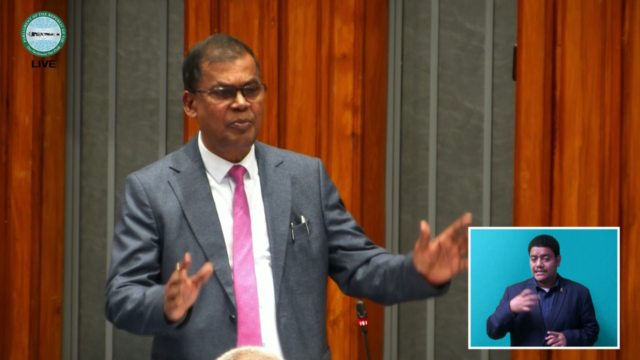
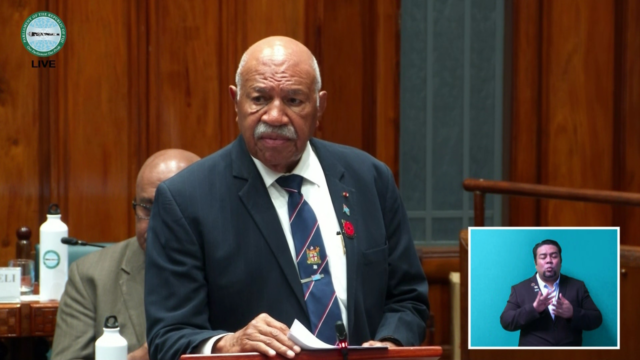
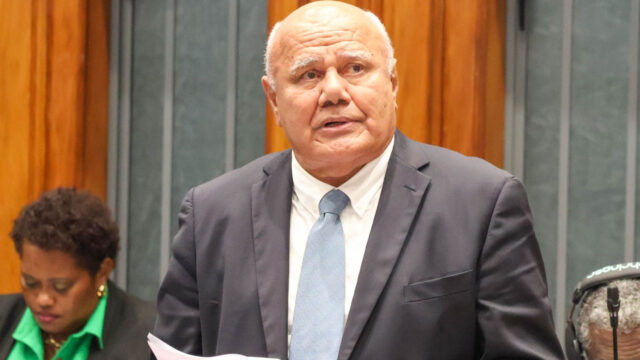
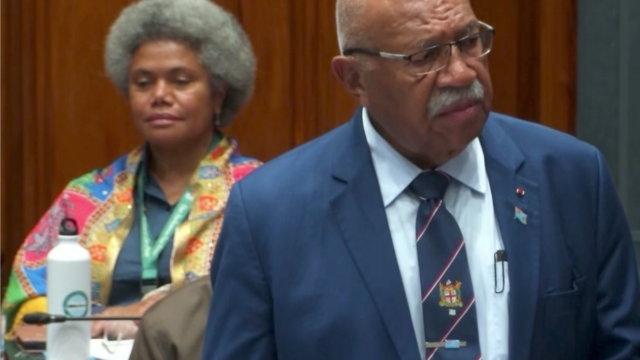
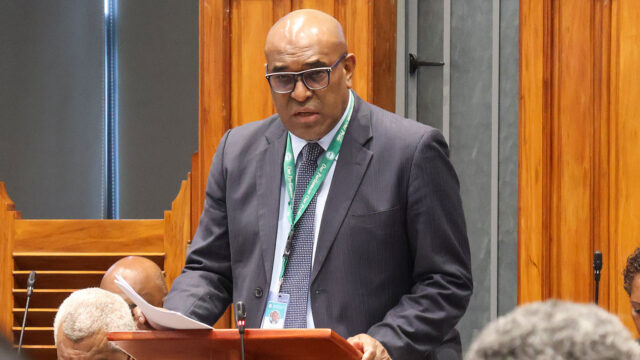
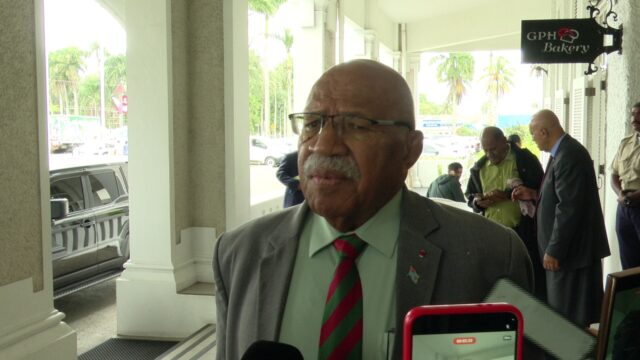
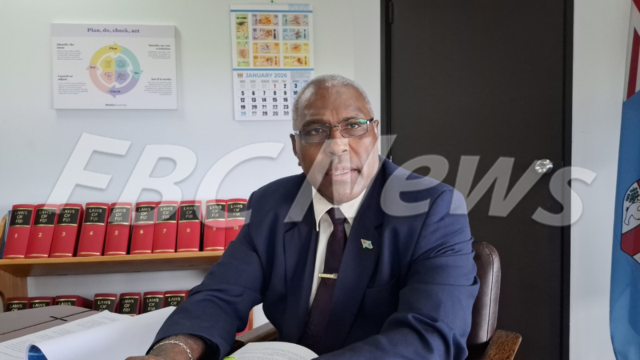
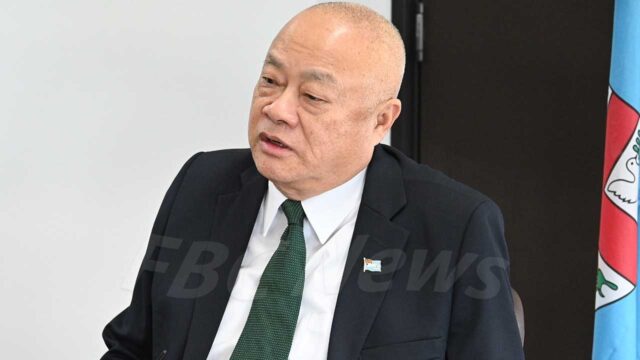
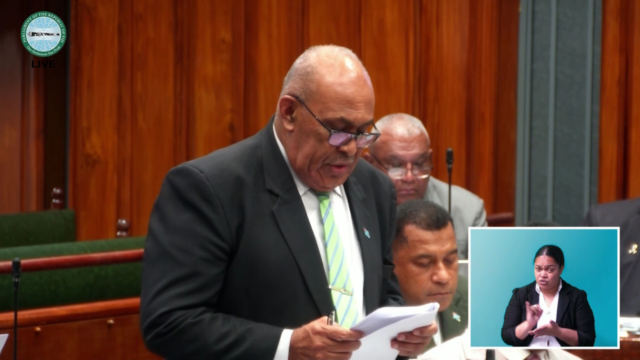
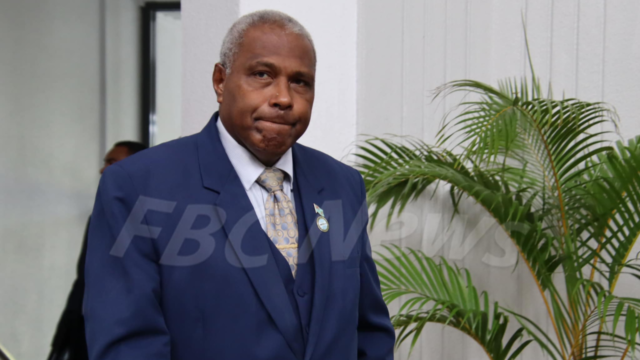
Finance Minister Esrom Immanuel says Fiji faces a $1 billion deficit and rising debt. [Photo: FILE]
Government is prioritizing strong capital investment while continuing to protect Fijians from rising living costs, despite mounting fiscal pressure.
Finance Minister Esrom Immanuel says Fiji faces a $1 billion deficit and rising debt, but the Government will not raise taxes or cut subsidies, as doing so would burden households.
He says the focus is instead on capital spending, including major investments in roads, water, health facilities, airports, and other infrastructure to support long-term growth and resilience.
This strategy reflects a balance between immediate relief for families and long-term economic transformation.
“We have commenced four major infrastructure programmes covering health, roads, water and wastewater, and flood alleviation, with a combined value exceeding $2 billion over the next four to five years. Financing arrangements for approximately $1.5 billion of these projects have already been secured and signed with our development partners.”
Immanuel adds that the approach is designed to maintain economic stability while continuing to invest in Fiji’s future, even under challenging global conditions such as fuel price shocks and an uncertain revenue outlook.
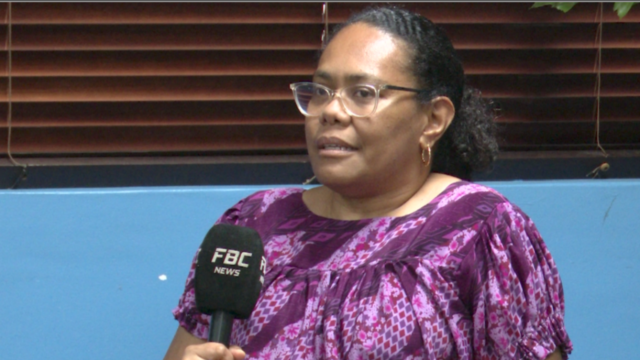
Permanent Secretary for Finance Shiri Goundar says 42 percent of the Budget is allocated to social spending, including education, health, welfare, and subsidies, but this limits the funding available for capital investment.
“This is the first budget prepared under such a complicated global and local environment, and ahead of a general election. We have managed to cap expenditure at around $4.8 billion despite accommodating an additional $200 million in spending, including more than $40 million for the election, $20 million for the referendum, $12 million for the census, and various capital projects that have been announced.”
Goundar says the Budget reflects a worst-case scenario approach but could improve if economic conditions strengthen, potentially reducing the deficit below current projections.