 Vasenai Soqo
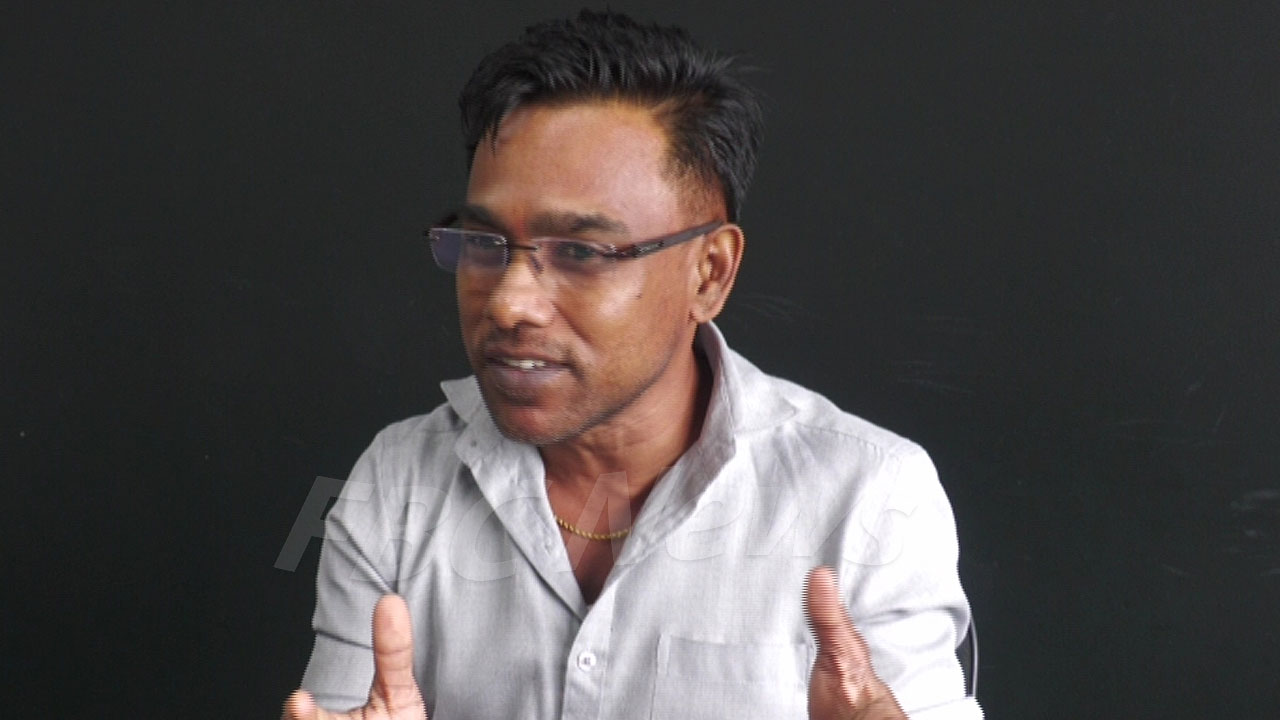
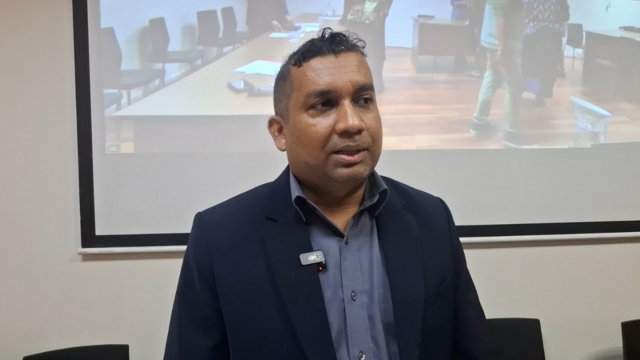
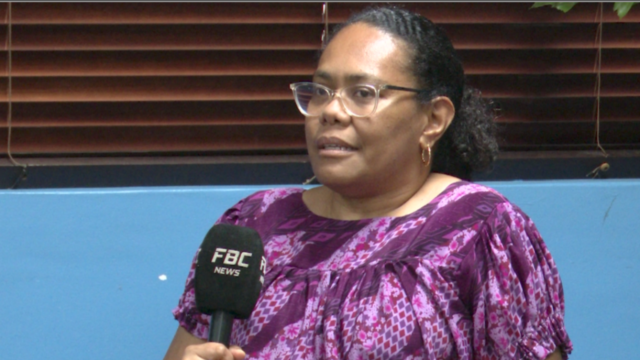
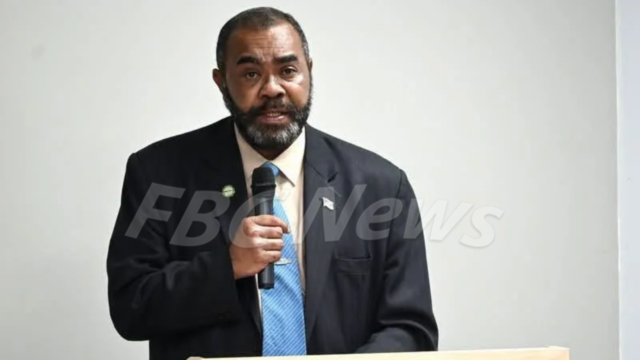
A University of the South Pacific linguistics lecturer, Rajendra Prasad, says the 2013 Constitution contains several wording errors.
Prasad says many words are used indiscriminately across chapters and sections.
He explains that inconsistent parts of speech, such as confusing adjectives and nouns, lead to conflicting interpretations of tense and meaning.
He adds that the 2013 Constitution grants excessive power to the Attorney-General’s office and individual ministers, noting that some ministers – from both past and present governments – have abused powers under clauses like Section 121 (5).
As an example, he cited the previous government’s late-night deportation of the USP Vice-Chancellor, arguing that proper channels, such as the court system, should have been used instead.
Prasad states that while the Bill of Rights is heavily conditional, ministers do not have the right to act on a personal level. Consequently, he calls for the reinstatement of the independent Ombudsman Office.
He also notes that the Constitution outlines too many rights that lack specific clarity and are not actively practiced.
“I will talk specifically about the Bill of Rights, Section 31, right to education. Section 31 (3), which states this conversational and contemporary iTaukei and Fiji Hindi languages should be taught as compulsory subjects in all primary schools. Once again, the use of the words is nothing like the iTaukei language.”
Prasad hopes future constitutional drafts will feature clearer linguistic grammar that is more accessible to the public.