 Josefa Sigavolavola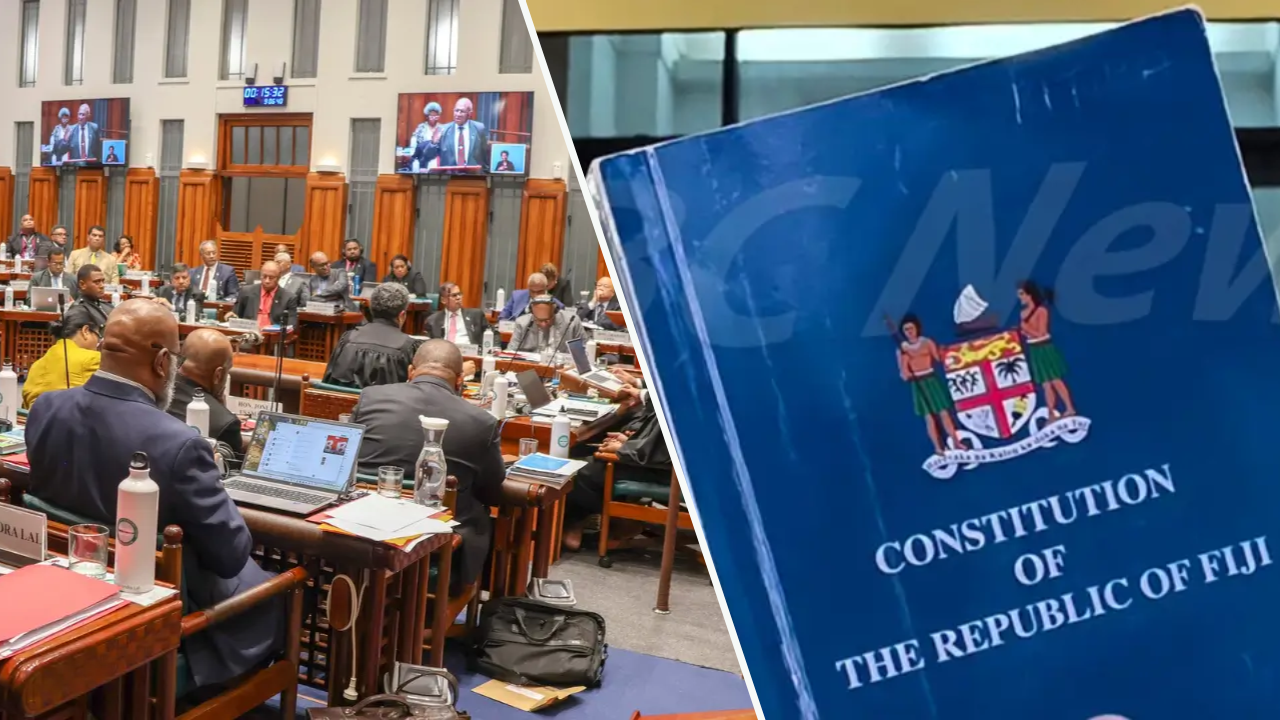
The Commission acknowledges public calls to remove these provisions to uphold accountability and the rule of law. [Photo: FILE]
The Fiji Human Rights and Anti-Discrimination Commission recommends amending section 2(6) of the 2013 Constitution to mandate life sentences without presidential pardons for future coup instigators.
In its submission to the Constitution Review Commission, the FHRDC noted that Chapter 10 of the 2013 Constitution provides absolute criminal and civil immunity to anyone involved in the 1987 and 2006 military coups, covering the period from December 5, 2006, until the first sitting of Parliament in 2014.
The Commission acknowledges public calls to remove these provisions to uphold accountability and the rule of law.
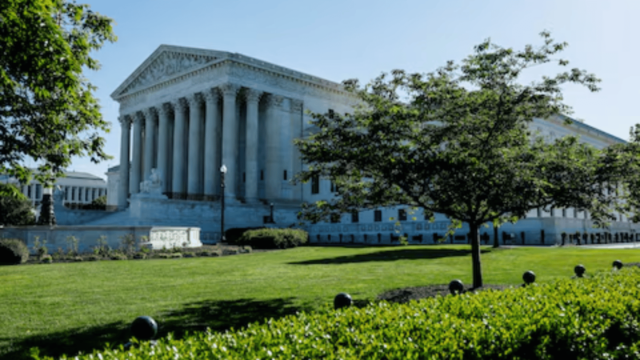
However, the Supreme Court of Fiji ruled in August 2025 that the immunity provisions must remain unamendable to ensure national stability, legal continuity, and a peaceful transition to democracy.
While fundamentally offensive to democratic accountability, the FHRDC accepts that these provisions were a practical necessity to secure the return of civilian rule.
To balance public demands for accountability with the Supreme Court’s ruling, the FHRDC further proposes that section 119 be amended to explicitly prevent the Mercy Commission from recommending presidential pardons or clemency for individuals involved in coup actions.
It says that while section 158(3) bars the State from paying legal compensation for damages caused by immunity-protected actions, the Government should reinforce the work of the Truth and Reconciliation Commission.
Because it says that the TRC lacks a clear pathway for reparations, the State should establish an independent, state-funded Restorative Justice and Humanitarian Fund to provide financial assistance to victims on humanitarian grounds.
The FHRDC further recommends rewriting section 131(2), which currently grants the Republic of Fiji Military Forces broad responsibility for the “wellbeing of Fiji.”
It adds that the current language is dangerously ambiguous and could be misused to justify military intervention in political disputes.
It says that the section must be completely rewritten to clearly define the military’s limits and explicitly state that it remains subordinate to civilian rule and the democratically elected government at all times.