 Riya Mala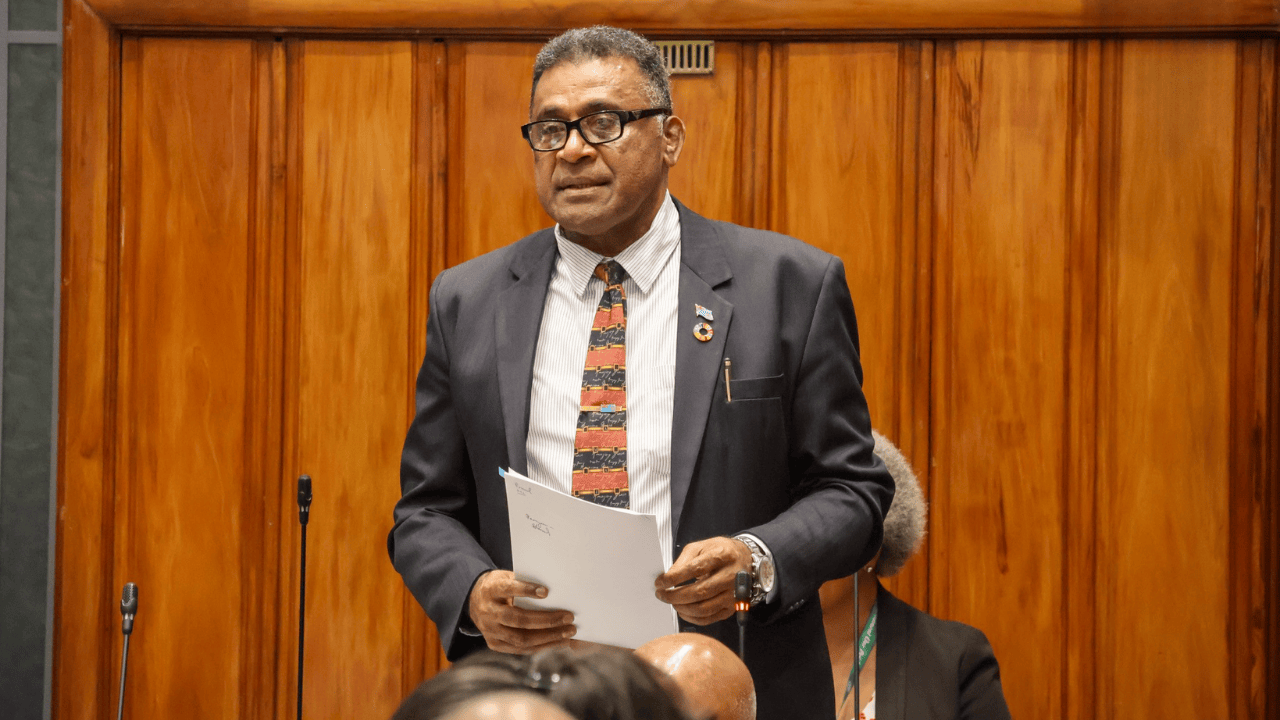
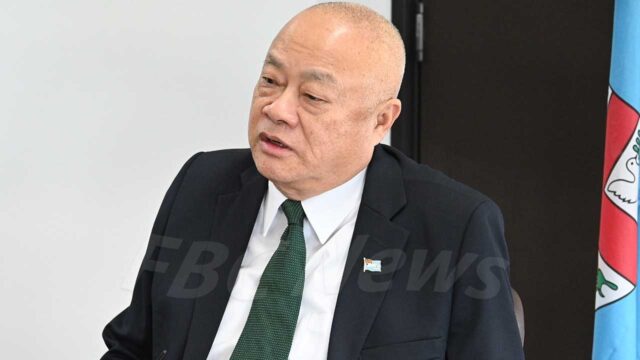
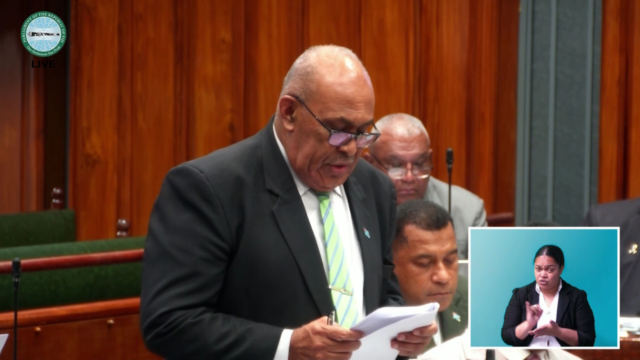
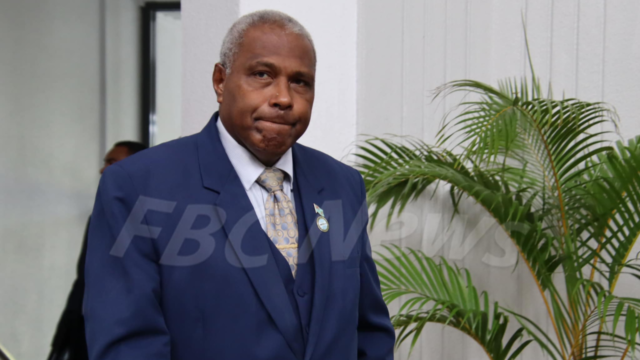
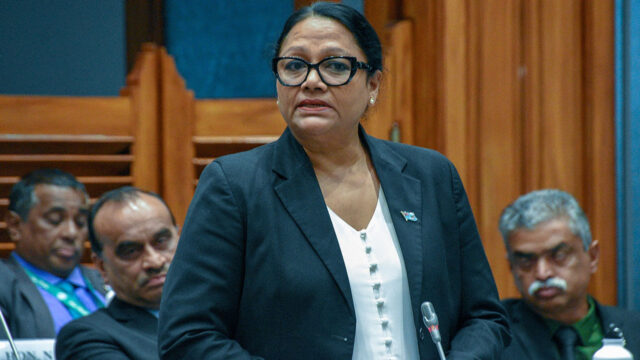
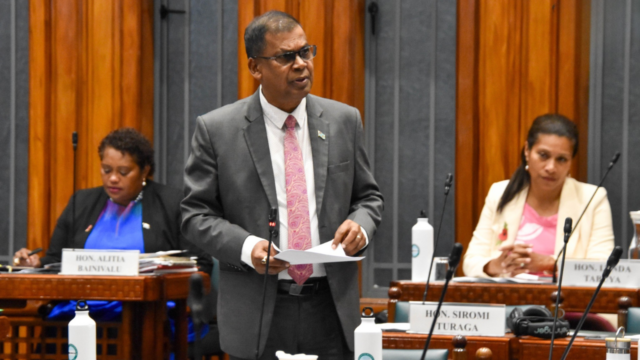
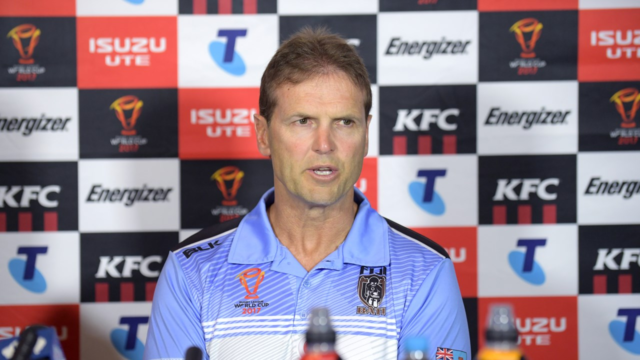
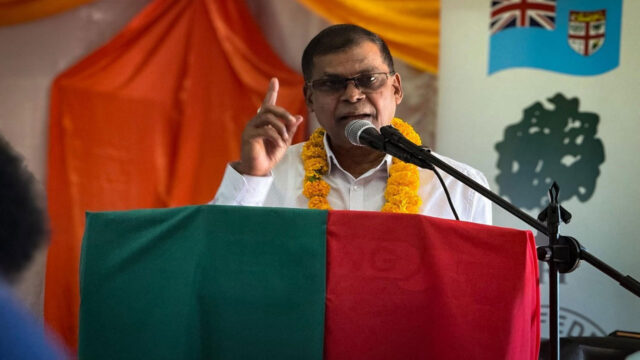
Finance Minister Esrom Immanuel has defended Fiji’s projected fiscal deficit of around 7 per cent of GDP, insisting the level of borrowing is responsible given extraordinary global and domestic economic pressures.
He adds that the National Budget has laid bare the country’s fiscal position, revealing a projected $4.8 billion in government spending, a $1 billion deficit, and rising public debt expected to reach around 84.8 per cent of GDP.
Immanuel says the 2026–2027 National Budget has been prepared under what he described as a “highly volatile and uncertain” global environment, with fuel price shocks and ongoing international instability continuing to affect revenue projections and government spending needs.
He adds the deficit estimated at around $1 billionis not a sign of fiscal mismanagement, but a necessary response to crises that include fuel price volatility, election-related costs, national census funding, and major capital investments required for long-term development.
“Responsibility is not determined simply by numbers that the real measure lies in the policy choices government makes when faced with extraordinary circumstances.Some people have questioned whether a 7 per cent deficit can be considered responsible. However, he said reducing it further would have required deep cuts to essential services or tax increases that would have placed additional pressure on households and businesses.”
He pointed to potential cuts that would have been required under a tighter fiscal stance, including reductions in civil service salaries, welfare support, subsidies for vulnerable households, and key social programmes such as education assistance and health services.
Immanuel stressed that government deliberately chose not to increase VAT, income tax, or corporate tax, and also avoided imposing additional burden on basic food items and low-income households during a period of rising living costs.
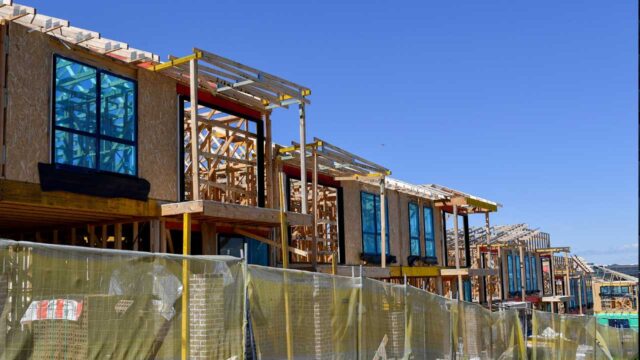
He adds the budget instead protects essential services while maintaining investment in major infrastructure projects, which include health facilities, roads, water systems, and energy upgrades aimed at strengthening long-term economic capacity.
The Finance Minister also highlighted that government has already taken steps to contain spending, including reductions in operational expenses such as travel, workshops, communications, and general administration costs across ministries.
He said the fiscal framework reflects a “worst-case scenario” approach, designed to ensure the economy remains stable even if global conditions worsen, while leaving room for improvement if revenue and tourism performance exceed expectations.
Despite the elevated deficit, Immanuel maintained that the budget strikes a balance between immediate social protection and long-term development needs, describing it as a “responsible path” toward fiscal sustainability under difficult conditions.
He adds the challenge ahead is to gradually reduce the deficit over time while continuing to invest in productivity, private sector growth, and infrastructure that supports Fiji’s long-term economic resilience.