 Riya Mala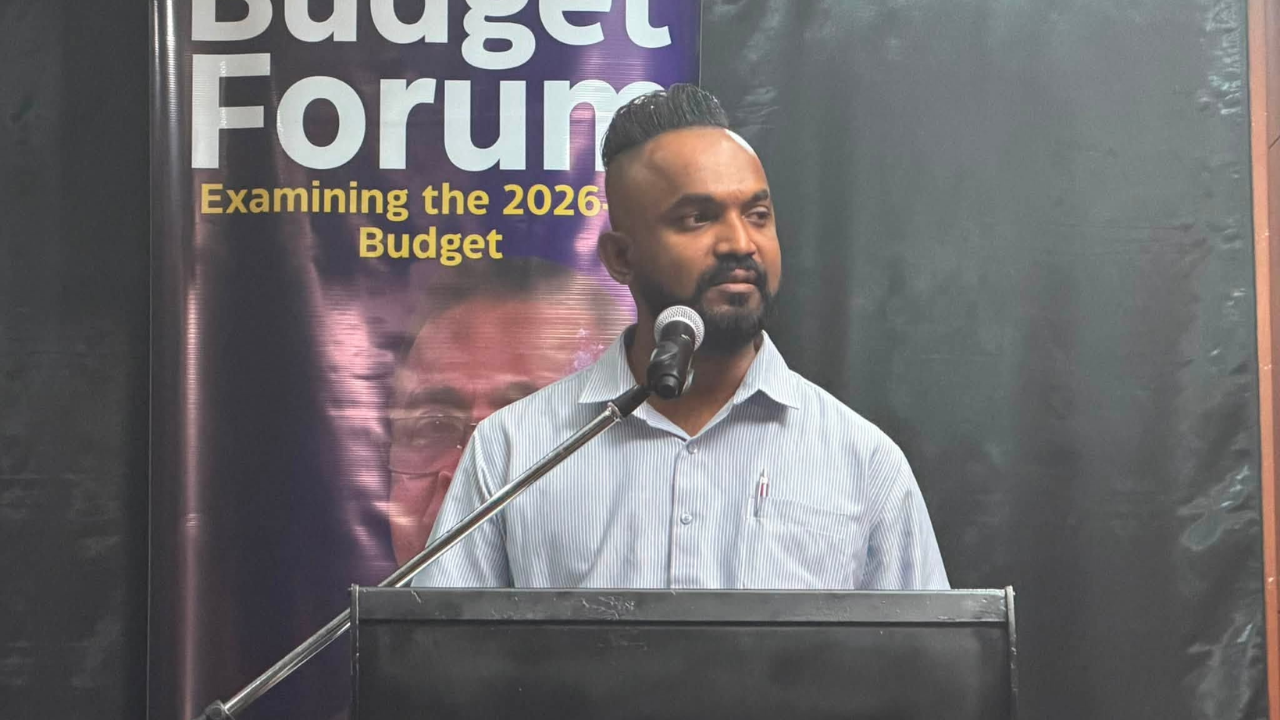
[Photo: FILE]
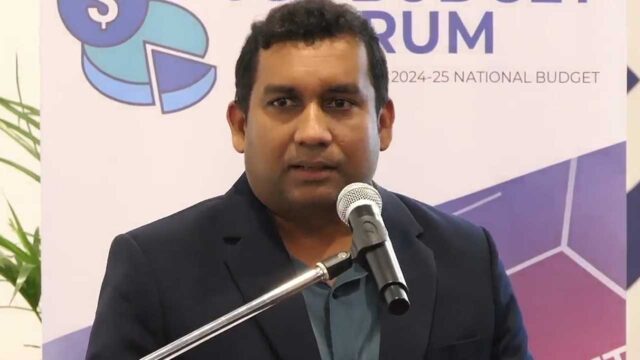
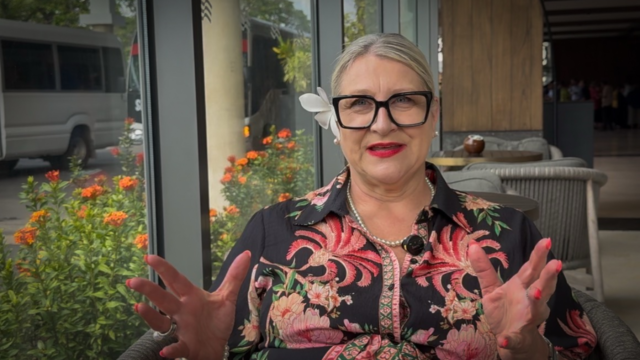
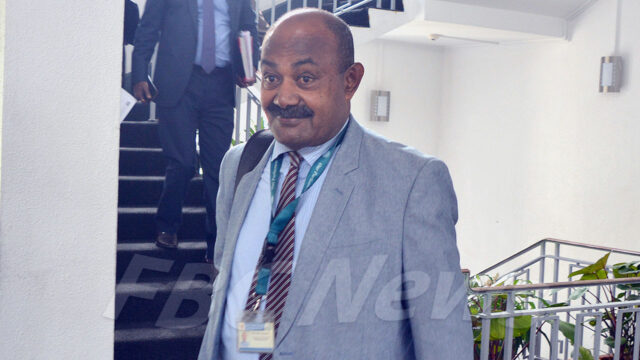
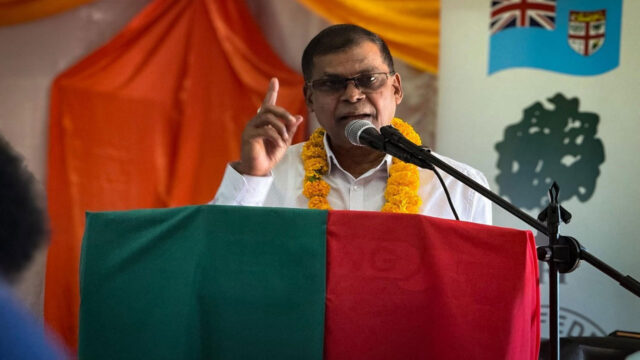
The 2026–2027 National Budget must strike a careful balance between growing the economy and protecting struggling households, according to Senior Lecturer in Economics at the University of the South Pacific, Dr. Janesh Sami.
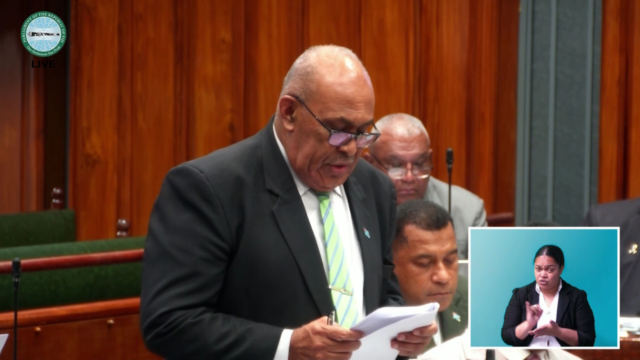
Speaking at the post-Budget Forum, Dr. Sami says Fiji is facing one of its most difficult economic environments in years, with slower economic growth, high inflation, rising public debt and continued global uncertainty.
He adds the forecast for 2026 has been revised down from 3 per cent to 1.5 per cent, while inflation is expected to remain above 6 per cent, creating a challenging environment for both the Government and households.
Dr. Sami says the government’s fiscal space is limited, but warned that fiscal consolidation should not come at the expense of vulnerable Fijians who continue to struggle with the rising cost of living.
“The second issue is even though we are spending 40% on the social sector, I agree that’s significant. But again, at times when economic conditions are quite uncertain, cost of living pressures are quite significant, the responsibility will ultimately fall on the government to step in and protect the vulnerable. So I think one way to look at this is we want to have fiscal consolidation. We want to improve fiscal space. We want to control our social sector spending.”
Dr. Sami also raised concerns over the structure of Government spending, noting that around 82 per cent of the 2026–2027 Budget is allocated to operating expenditure, compared with only about 16 per cent for capital investment.
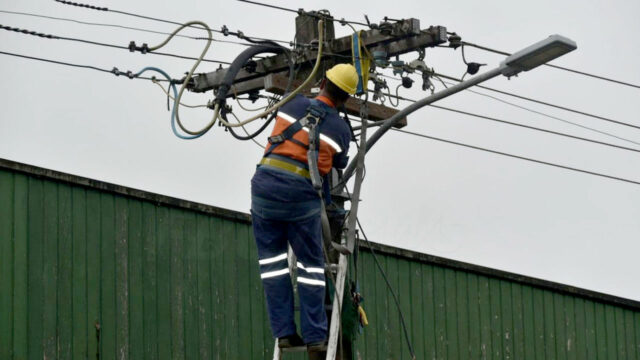
He says the country must gradually shift more public funding toward infrastructure such as roads, bridges, ports and utilities, arguing that stronger capital investment is essential for attracting private sector investment, creating jobs and achieving the country’s long-term development goals.
Dr. Sami acknowledged the Budget’s focus on supporting the private sector through stable corporate tax rates, investment incentives and infrastructure spending, but questioned whether those measures alone would be enough to drive economic diversification and strengthen resilience against future shocks.
He also cautioned that businesses may remain hesitant to invest ahead of the general election, despite the incentives announced in the Budget.
On the cost of living, Dr. Sami welcomed the government’s decision to keep VAT at 12.5 per cent and strengthen price monitoring, but questioned whether existing assistance measures would be enough as more Fijians face financial hardship following the recent fuel price crisis.
He says protecting vulnerable households while encouraging long-term economic growth will remain one of Government’s biggest challenges as Fiji navigates an uncertain global economic outlook.