 Ritika Pratap
[File Photo]
The 2026-27 National Budget has a clear philosophy behind it to pare back operating expenditures over time to reduce the deficit.
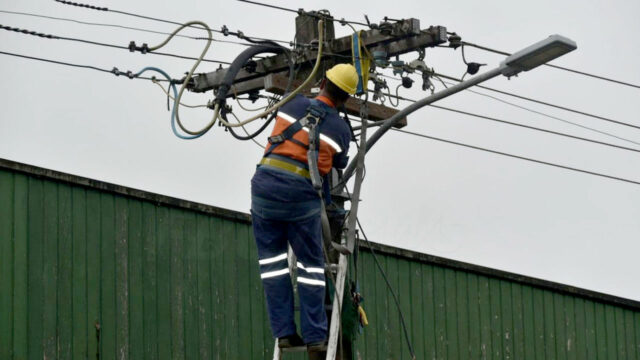
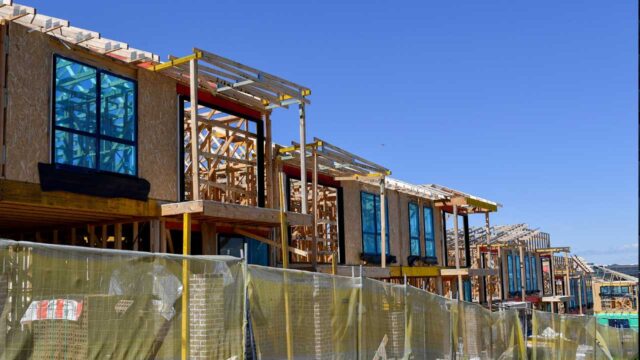
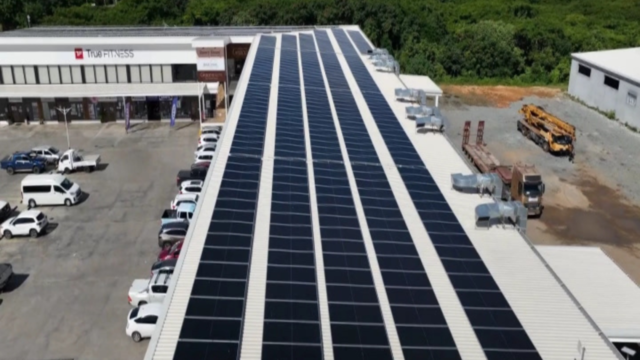
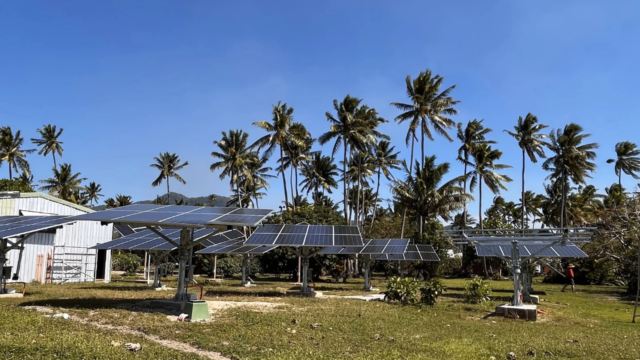
However, there is a pivot towards more public investment, with a new $200m public infrastructure pipeline of projects in renewable energy, ports and airports announced.
ANZ Senior Pacific Economist Dr Kishti Sen says changes to government subsidies, tax concessions, tax rates and superannuation settings are modest, allowing for continuity of policy and certainty around the legislative agenda.
Sen says this will help build confidence in the country amongst private capital investors.
He adds that there is some urgency on the part of the government to coordinate development in partnership with the private sector.
According to Sen, the microeconomic reforms such as ‘eliminating red tape’ to fast-track investment approvals will be welcomed by investors, both domestic and overseas.
He states that the budget sees next year’s total expenditure rising in line with inflation (4%) to $4,870m.
Sen says revenue is projected to come in lower by 1.8% to $3,824m due to slower GDP growth of 1.5% in 2026, with a moderate pick-up to2.5% in 2027 versus average growth of 3.3% in the last two years.
Taken together, official estimates he states see the net deficit moving from $776m (-5.5% of GDP) in 2025-26 to $1,046m in 2026-27 (-7%).
Sen stresses that with another $ 1,046m borrowing requirement, Fiji’s debt level is expected to rise from $11,538m (82.1% of GDP) to $12,583m (84.8% of GDP) in 2026-27.
Based on forward estimates, Sen says the net deficit is expected to improve to $974m (-6% of GDP) by 2028-29.
As ever, execution will be important to deliver on the projected outcomes.
Sen also states that seeking efficiency savings from the operational component of public expenditure will need to continue over the medium term to return the budget to a structurally balanced state.
Overall, he says that they view the budget as sound, with a better outcome, for debt-to-GDP ratio, likely based on better economic and revenue performance.
He adds that that will please lenders, development partners and credit ratings agencies.