 Praneeta Prakash
[Photo: FILE]
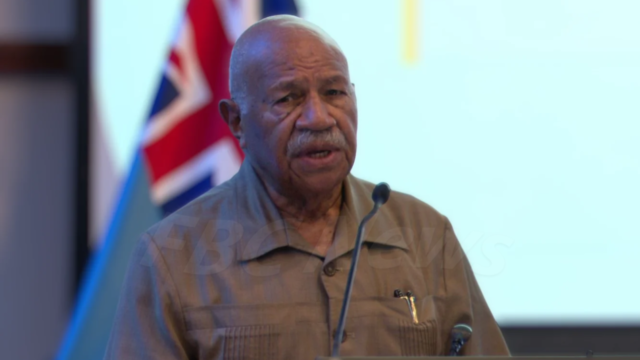
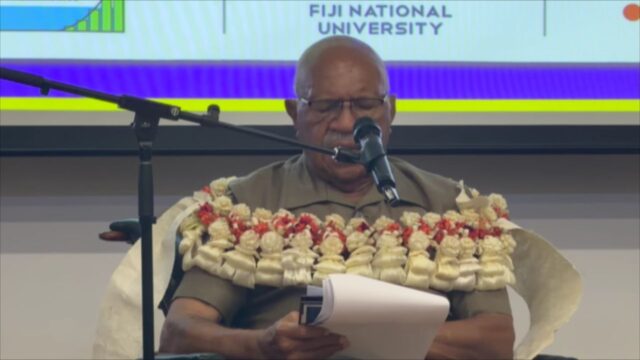
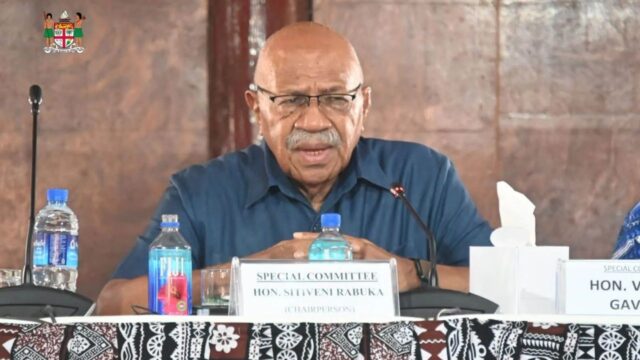
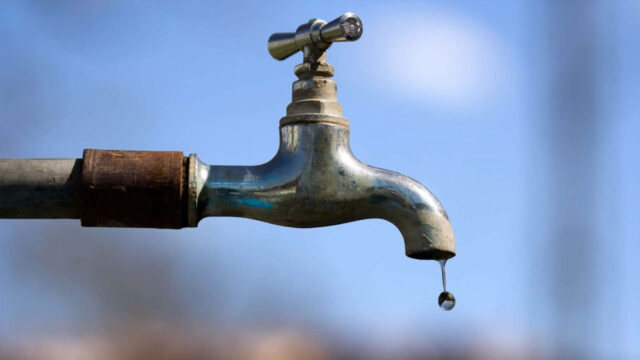
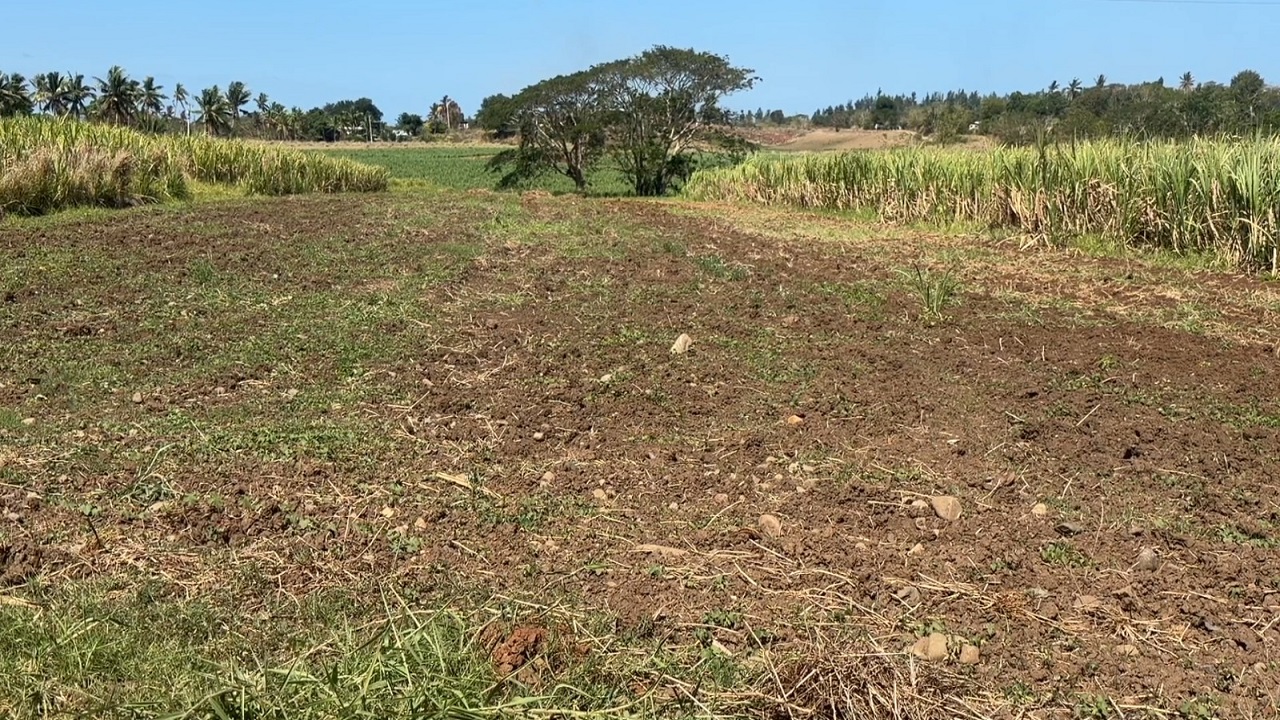
Prime Minister Sitiveni Rabuka says cabinet approved the declaration on the advice of the National Disaster Risk Management Council, after assessments confirmed crisis thresholds under the National El Niño Preparedness and Response Plan had been reached.
Rabuka says the government has allocated $20 million by redirecting ministry funds to strengthen emergency water supplies, assist affected communities, and support farmers and livestock owners.
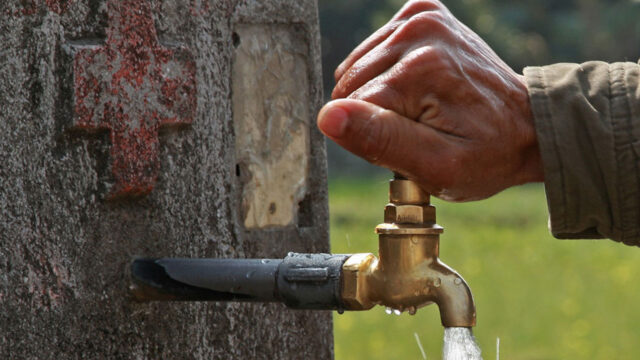
He says immediate priorities are ensuring affected communities have safe drinking water, strengthening emergency water carting and relief operations, maintaining assessments for urgent needs, protecting public health, sanitation and hygiene, supporting farmers and livelihoods, and providing timely, accurate public information.
Rabuka says particular attention will go to remote and maritime communities, and to people facing difficulties accessing water and essential services.
“I know that families across Fiji are concerned about the availability of water and the effects of prolonged dry conditions on their daily lives. Farmers are worried about their crops and livestock, while communities, particularly in remote and maritime areas, face growing pressure on their water supplies. These concerns are real. Our decisions must continue to be grounded in verified conditions, technical advice and the needs of our people.”
Rabuka says government assistance has been underway throughout this event and will continue into the crisis phase of the Plan.
The PM says the Ministry of Women, Children and Social Protection has increased the monthly transport top-up under the Transport Assistance Scheme to assist beneficiaries with rising costs during the El Niño impacts.
“The increase applies to older persons holding purple transport cards and persons with disabilities holding green eTransport cards. These interventions form part of an organised national response. We will continue to assess their reach and adjust assistance as needs evolve.”
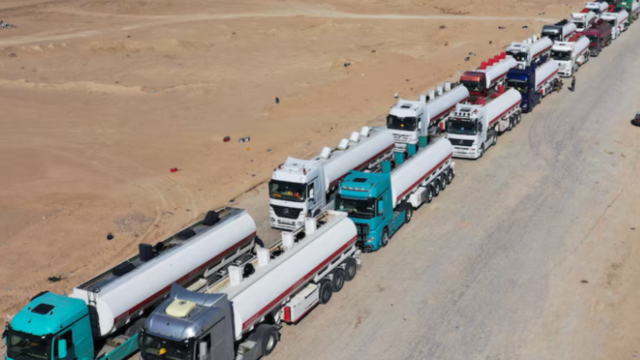
He says over the past month, the government has delivered over two million litres of emergency water to affected maritime communities.
The Water Authority of Fiji has also supplied emergency water to affected mainland communities.
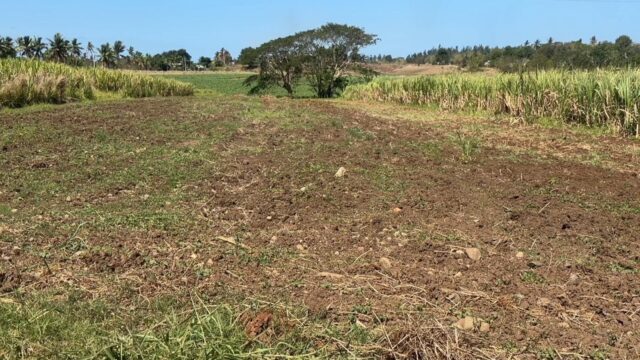
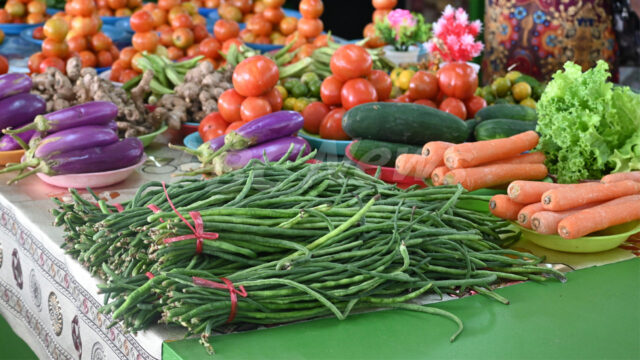
The Ministry of Agriculture, Waterways and Sugar Industry has rolled out six initiatives to assist farmers.
These cover emergency water and irrigation; livestock feed; climate-resilient planting materials and seed; sugar sector drought protection; household and community food security; and sustainable agricultural practices.
Rabuka says they will intensify this response through coordinated action by relevant ministries, departments, statutory authorities, and divisional administrations under national disaster management arrangements.
He adds that resources will be directed by assessed needs and operational priorities, with continued monitoring to ensure assistance reaches those who need it.