 Litia Cava

[Photo: FILE]
The Ministry of Information is operating on $5 million despite taking on expanded responsibilities after its elevation to a full Ministry.
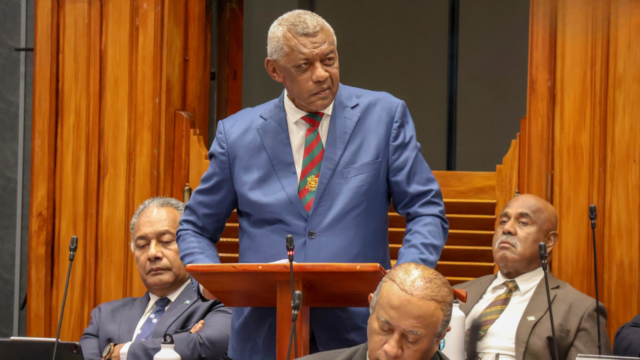
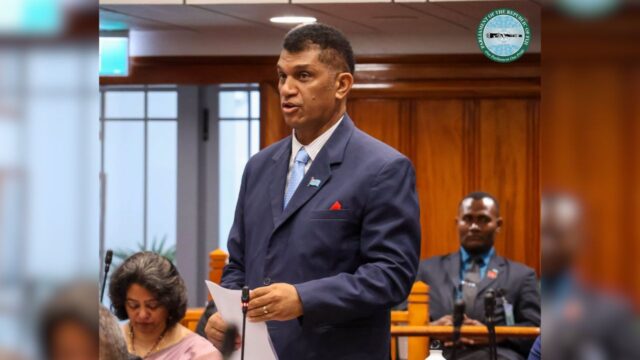
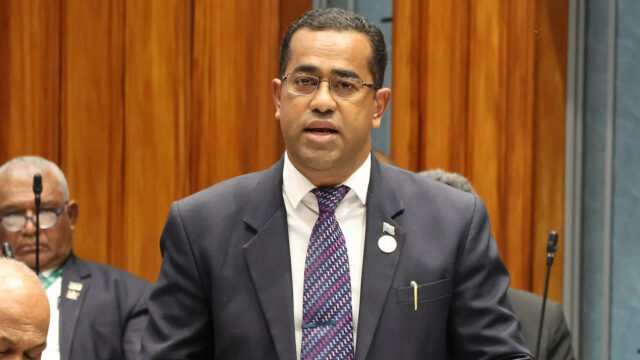
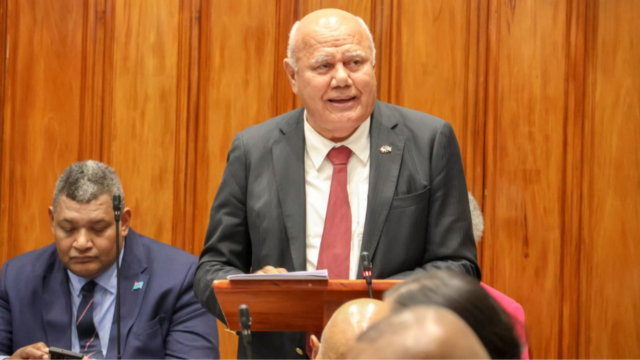
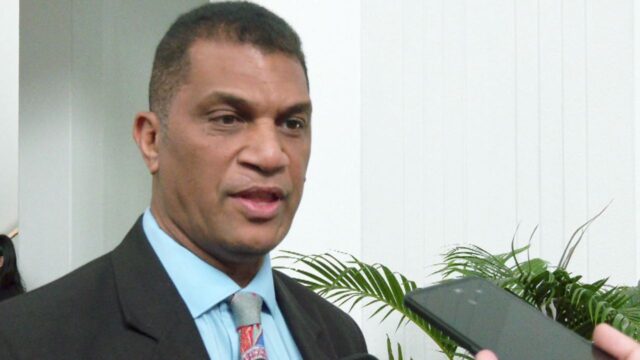
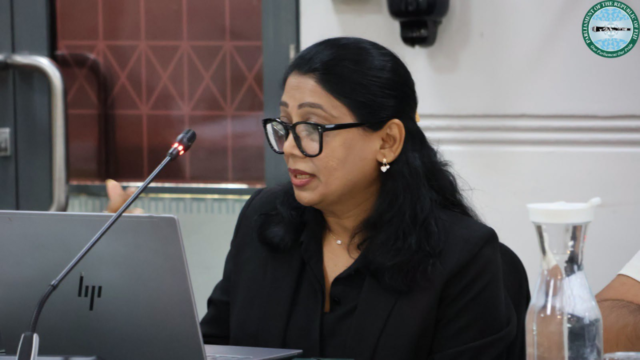
Information Minister Lynda Tabuya told Parliament that although the Ministry’s allocation increased to $16 million this financial year, almost $12 million was committed to public service broadcasting grants, leaving only $5 million for its own operations.
She said the Ministry’s allocation was subsequently reduced to $12 million in the current financial year, with $7 million again committed to public broadcasting, leaving its operational funding at the same level.
Tabuya said this funding must cover staff salaries, equipment maintenance, government information production, media coverage and the preservation of national records.
She warned that the Ministry’s responsibilities had grown considerably but its operational resources had barely changed.
The funding constraints are compounded by staffing shortages, poor remuneration and difficulties retaining experienced officers.
Tabuya revealed that the Ministry lost nine officers through resignations in 2024, followed by another two last year.
Since 2023, it has requested 16 additional positions but only two were approved. Of the 14 positions submitted for upgrading, only four received approval.
The Minister said some experienced information officers were earning less than entry-level media officers in Parliament, despite having years of service and responsibility for major national assignments.
She said the ministry was reviewing job descriptions and remuneration with the Ministry of Civil Service, while continuing to advocate for better pay, equipment and career development opportunities.
The Standing Committee on Social Affairs had also identified inadequate funding, staff shortages, high turnover and delays in procuring essential broadcasting equipment as major obstacles affecting the ministry’s performance.
Committee Chair Iliesa Vanawalu recommended increased budgetary support, additional recruitment and improvements to procurement processes to strengthen service delivery.
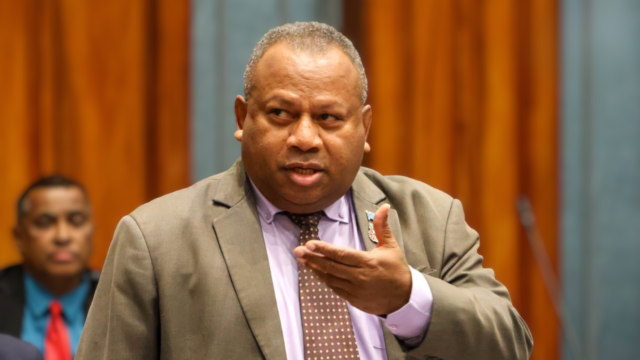
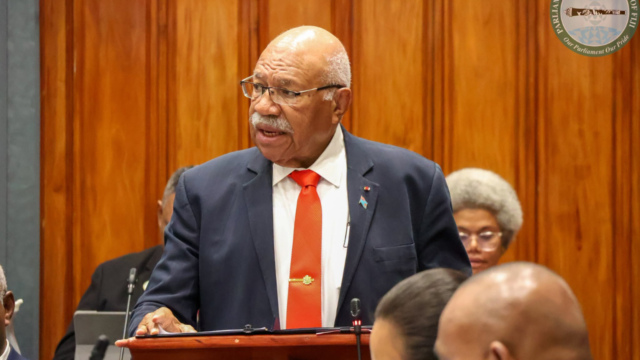
However, Opposition MP Jone Usamate questioned whether creating a separate Ministry of Information was necessary, arguing that the funding pressures could partly be addressed by reducing the number of ministries and redirecting money spent on ministerial administration.
He pointed to the $264,000 required for the National Archives server upgrade and the $121,000 needed for media equipment, arguing that these investments could potentially be funded through existing operational expenditure.
Usamate said the Government needed to examine how public money was being allocated rather than continually seeking additional funding.
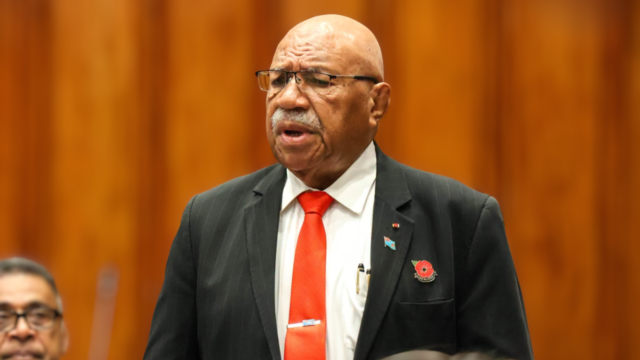
Meanwhile, Leader of the Opposition Inia Seruiratu acknowledged the important role played by the Department of Information and the National Archives, saying both institutions required adequate staffing, resources and institutional support to fulfil their responsibilities.
The debate also highlighted delays in procuring essential media equipment after a local supplier failed to deliver under a $121,000 contract, forcing the Ministry to seek alternative overseas suppliers.
Tabuya said the equipment would allow the film and television unit to improve its coverage of government activities and undergo training in the use of modern technology.
The committee has called on the government to address the funding and staffing gaps to ensure the ministry can effectively carry out its growing responsibilities.
Parliament reviewed the Department of Information and National Archives’ 2023–2024 annual report, examining its funding, staffing, equipment, public communication and preservation of Fiji’s historical records.