 Litia Cava
[Photo: File]
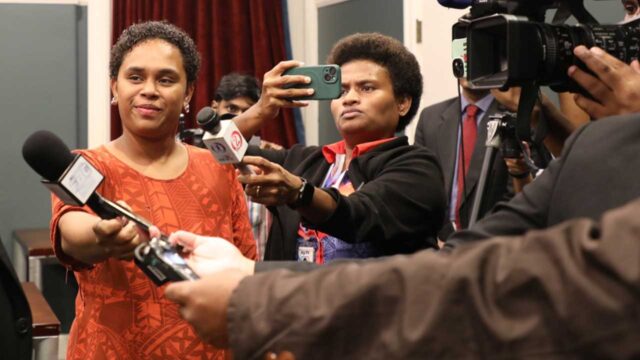
Fiji’s electoral system is facing scrutiny over the low number of women represented in Parliament.
Calls are growing for reforms to remove barriers limiting women’s participation in politics.
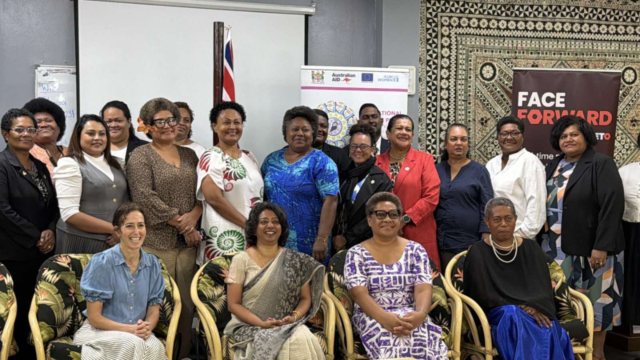
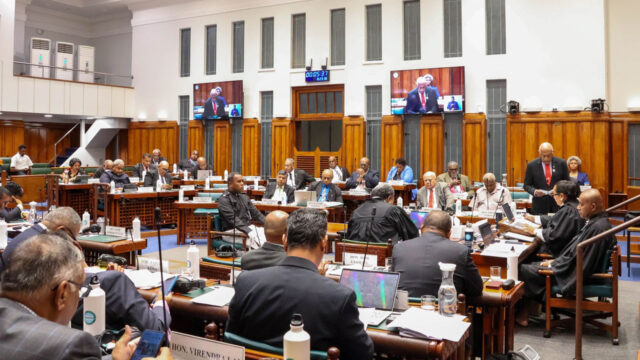
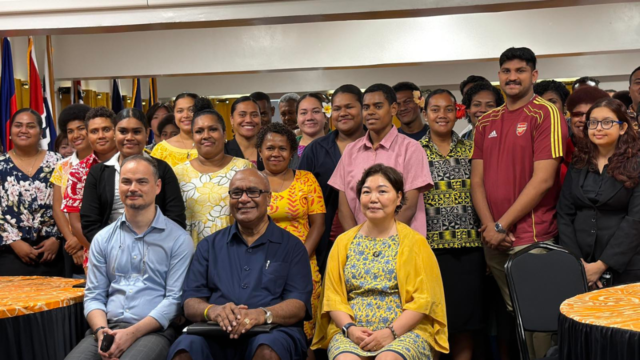
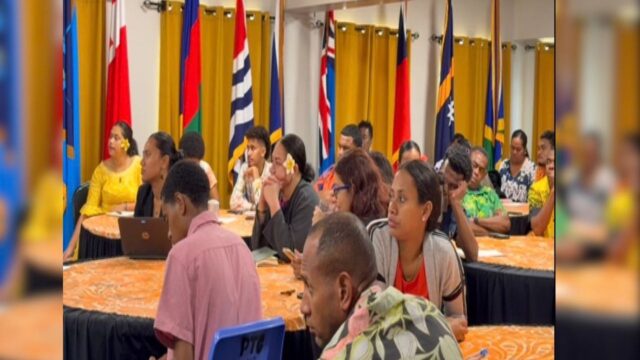
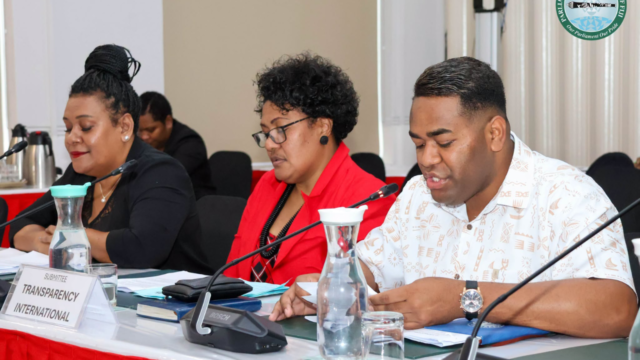
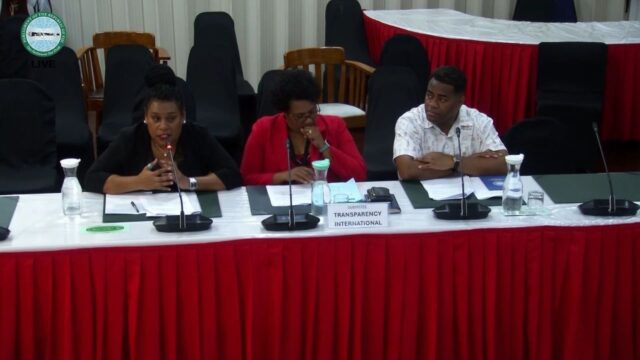
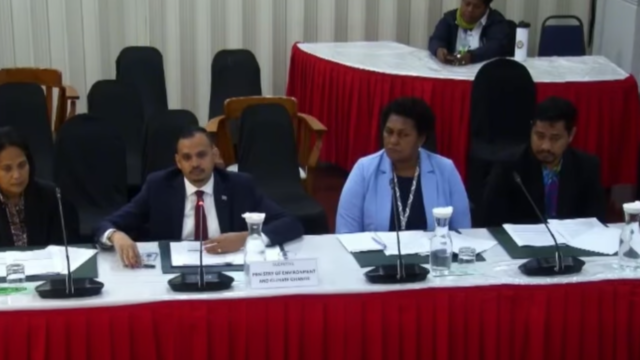
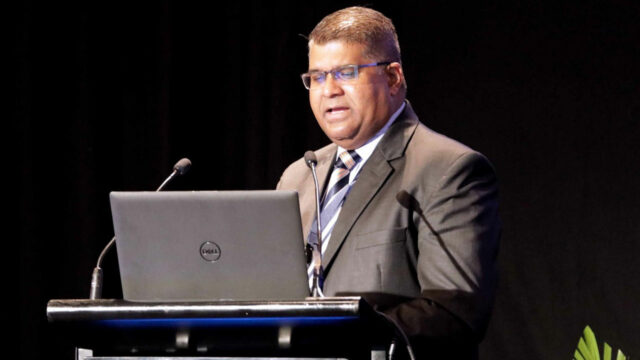
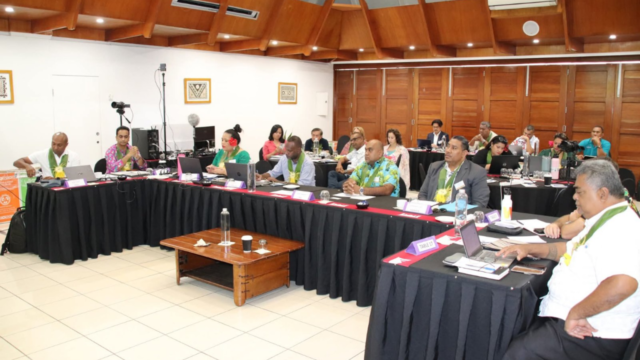
Speakers presnet at the Speaker’s debate argued that social, financial and structural challenges continue to limit women’s representation and that changes to the voting system may be needed to create a more equal pathway into politics.
The discussion focused on whether reforms to Fiji’s electoral model, alongside Temporary Special Measures, could deliver a more balanced Parliament.
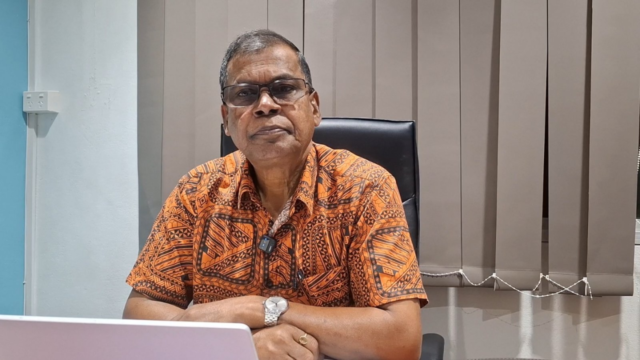
UNDP Pacific Office Resident Representative in Fiji Munkhtuya Altangerel states while TSM remains an important tool, several countries have introduced permanent quotas to improve women’s representation.
She also raised concerns about Fiji’s open-list proportional representation system, saying political parties can include women candidates, but voters ultimately decide who
enters Parliament.
Altangerel questioned whether Fiji should consider a closed-list proportional representation model, where parties determine candidate rankings and adopt a male-female
sequencing system.
Youth advocate Kava Masilagi supported the proposal, saying electoral systems must better reflect the diversity of Fiji’s population, including women, youth and rural
communities.
He says a closed-list system with sequencing could strengthen representation by ensuring women are placed in positions where they have a realistic chance of being elected.
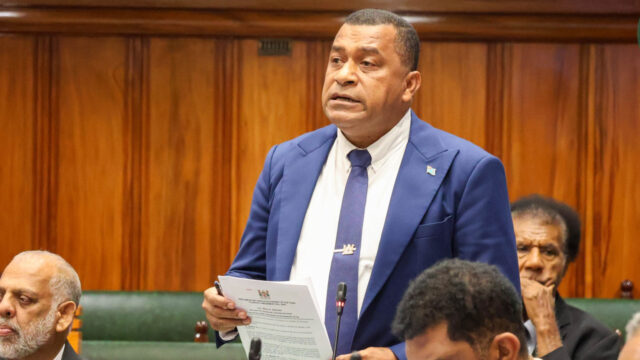
Opposition Leader Inia Seruiratu said while electoral reform was an important discussion, the current constitutional review process must be respected before major changes are considered.
He says political parties still have an opportunity to consider reforms if there is a genuine commitment to increasing women’s participation.
Seruiratu also identified stereotypes and attitudes towards women as major barriers preventing more women from entering politics.
Lawyer Adi Litia Cakobau Nailatikau pointed out that women already demonstrate leadership through their roles in communities and families, but these contributions are often overlooked.
Lawyer Akanisi Nabalarua adds that the debate should not be about whether women deserve representation based on gender or merit, but about addressing a system that has historically created unequal opportunities.
She says Temporary Special Measures are not about questioning women’s ability, but about creating a level playing field for greater participation in decision-making.
The debate comes as Fiji continues discussions on electoral reform, with political parties facing pressure to outline practical steps to improve women’s representation ahead of the next general election.