 Riya Mala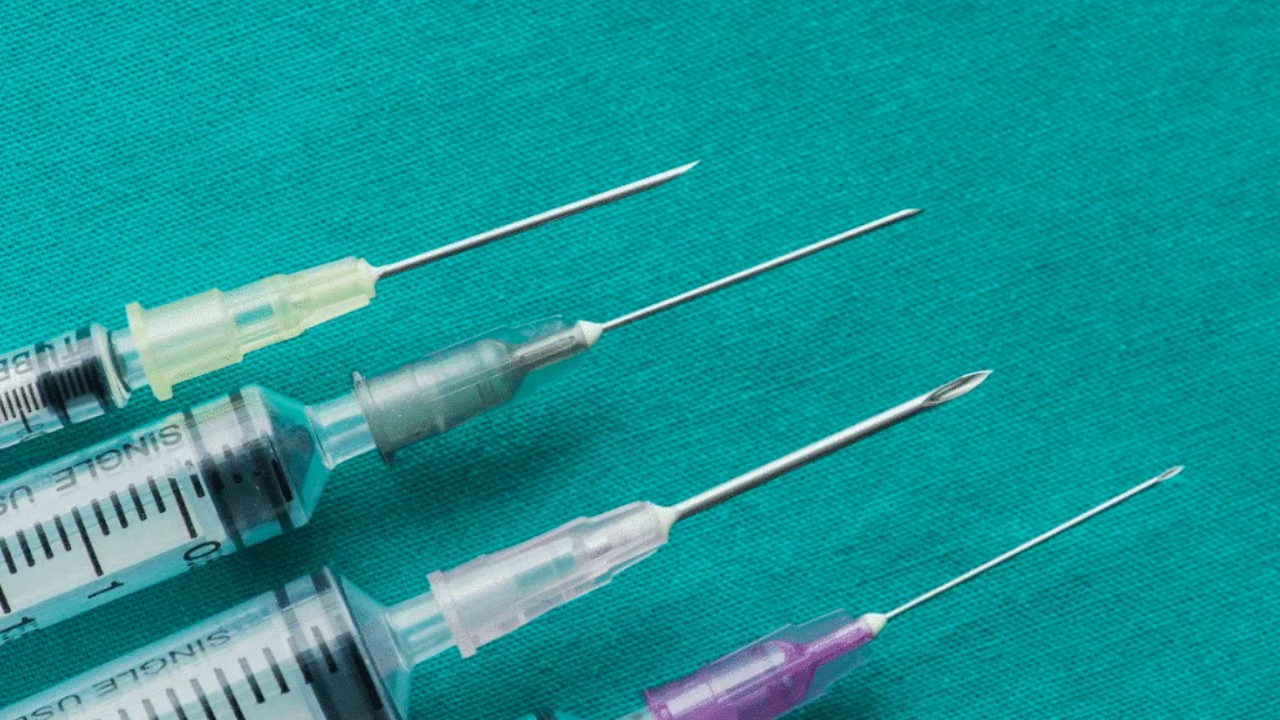
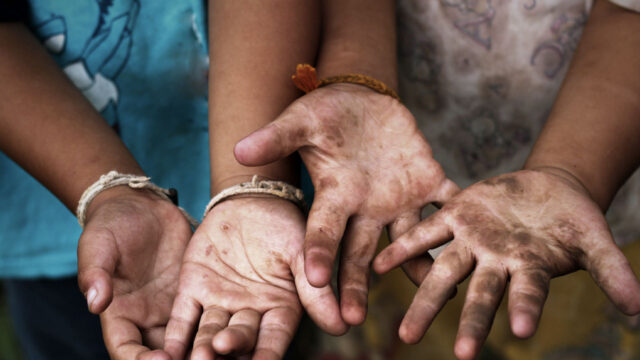
Fiji is moving closer to introducing needle and syringe programs as part of a broader effort to reduce HIV transmission among people who inject drugs, but health officials say the initiative is still in its early stages and requires strong policy and system support before rollout.
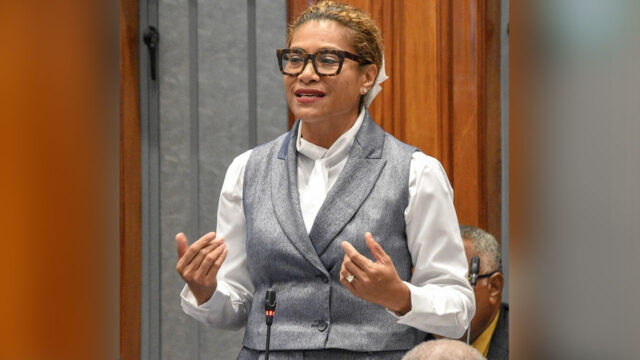
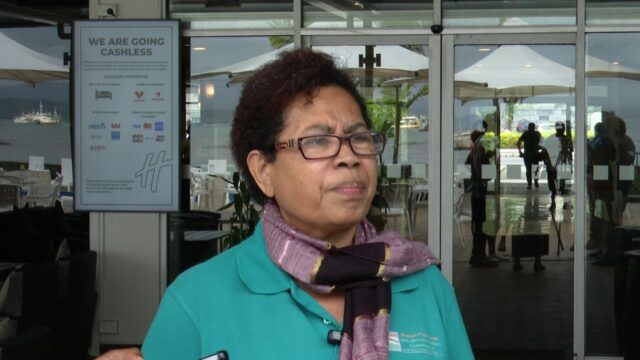
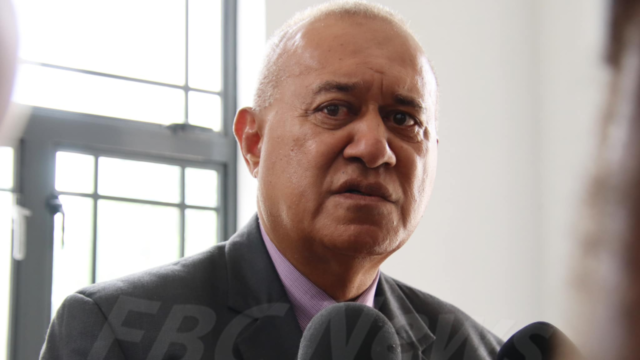
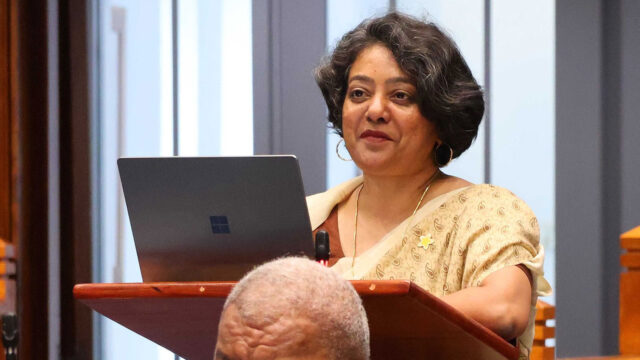
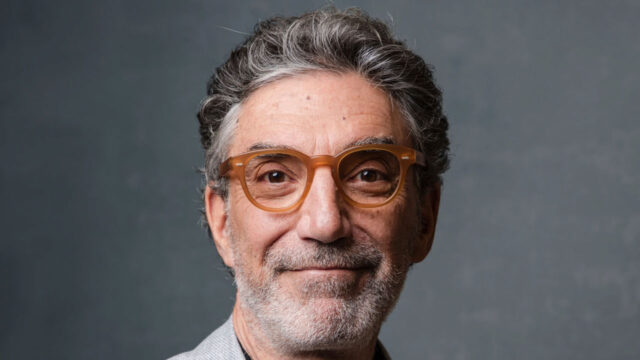
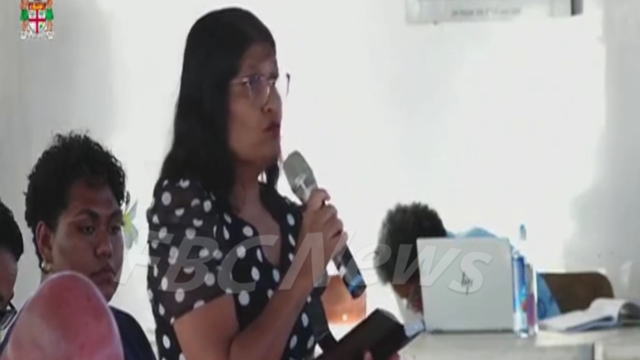
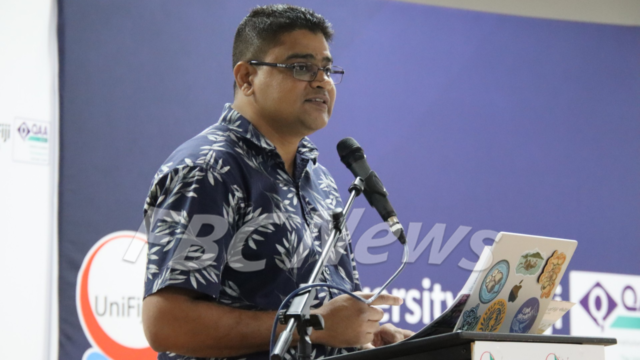
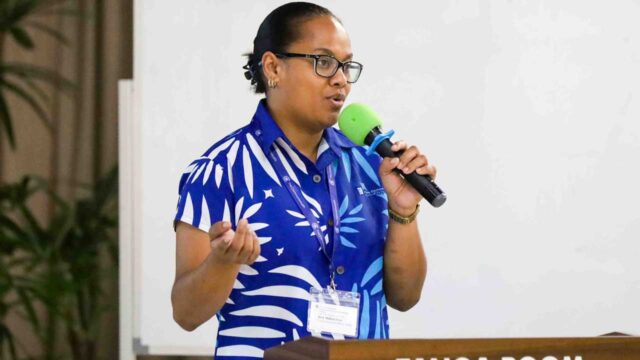
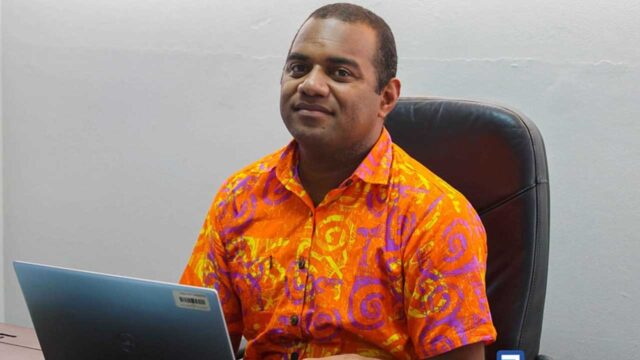
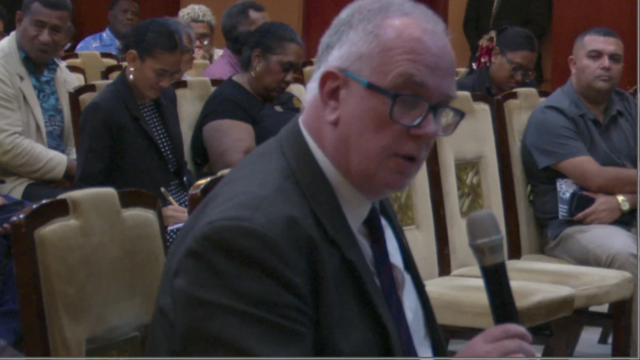
UNAIDS Country Director Renata Ram says the program is currently being developed through a national task force and technical working group, but is not yet available in Fiji.
She stresses that implementing a needle and syringe program is not simply about distributing equipment, but requires clear policies, designated sites, and a structured health system response.
“In countries like Australia, in Europe, in Asia, the HIV infections reduced dramatically among people who use drugs through these needle syringe programs, mainly because people had access to a prevention tool, right? So they had access to sterile needles and syringes, also having access to testing.”
She explains this success is largely due to increased access to sterile needles and syringes, as well as improved access to HIV testing and other health services.
Ram also highlights that many people may not know their HIV status or may face multiple risks, including unprotected sex, which is why a broader “combination prevention” approach is needed.
This model, she says, combines several prevention pathways to better protect people from HIV and other sexually transmitted infections.
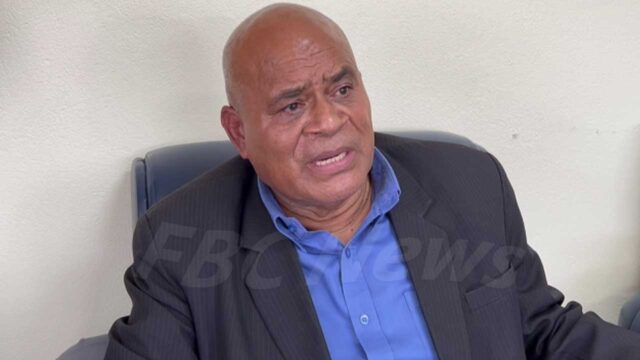
Health experts say the proposed program could be a key step in strengthening Fiji’s HIV response but caution that preparation, planning, and community understanding will be critical before implementation.