 Kelera Ditaiki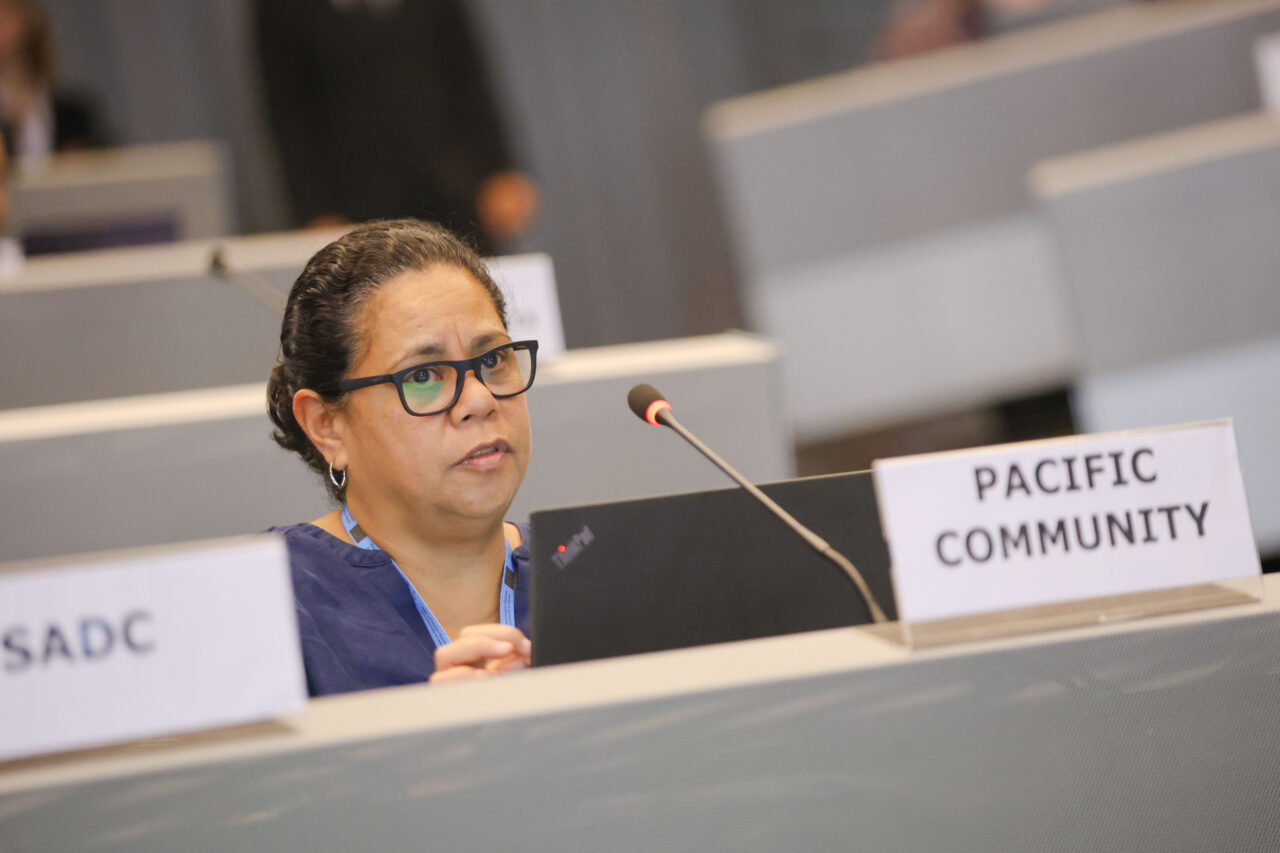
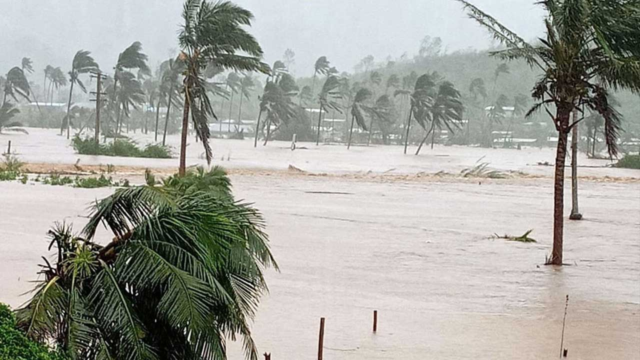
Pacific countries are facing rising and more complex climate and disaster risks.
Multiple emergencies are straining national response systems across the region.
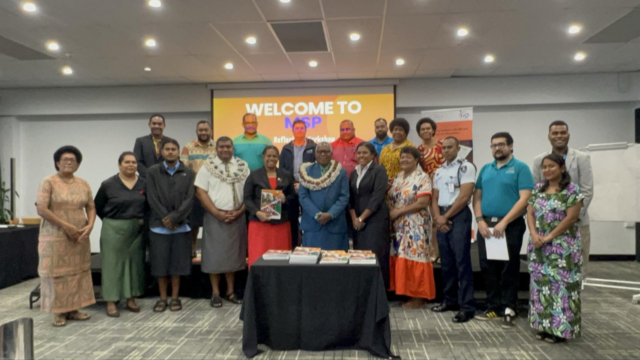
This challenge was highlighted at the opening of the 2026 Pacific Regional Disaster and Emergency Managers Meeting.
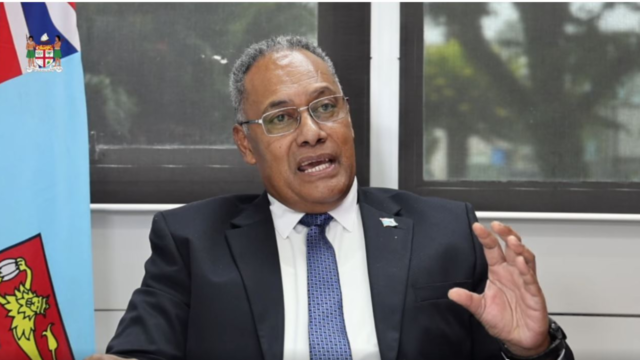
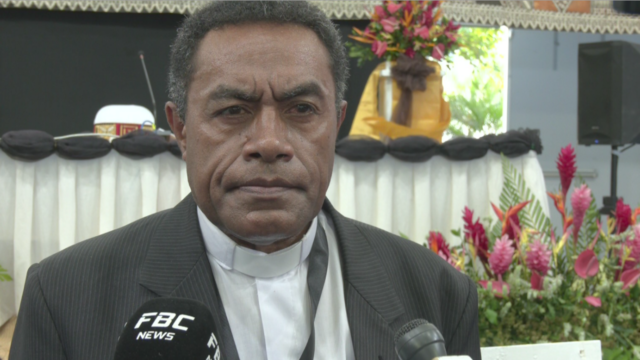
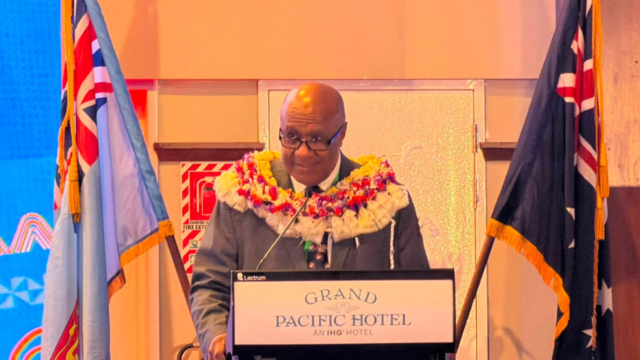
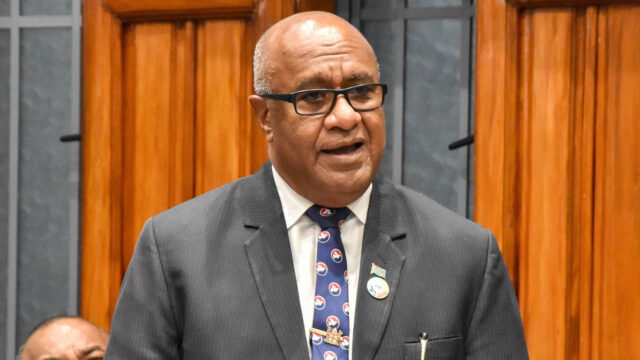
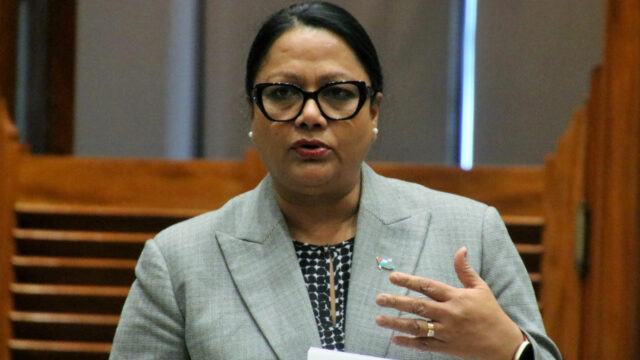
Opening the meeting on the Coral Coast, SPC GEM Division Director Rhonda Robinson said emergency systems are often tested when several events occur at once.
She said this puts pressure on coordination, logistics and decision-making across agencies.
She said there are familiar moments before any response begins, when agencies question whether supplies are in place and whether warnings have reached communities. She added that closing these gaps is central to improving safety outcomes in the Pacific.
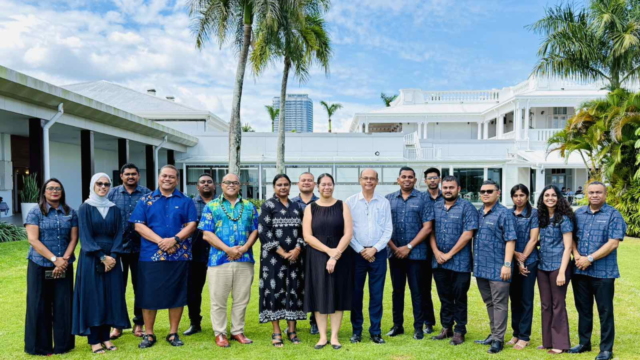
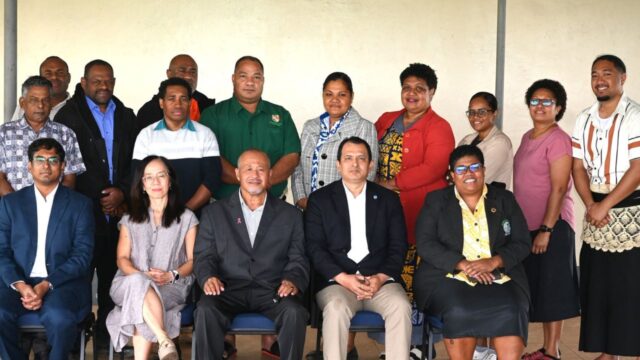
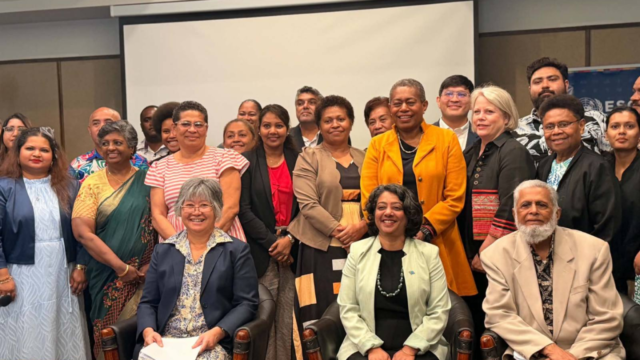
Robinson said the meeting remains a key space for coordination among National Disaster Management Offices, police, fire and emergency services, civil society groups, United Nations agencies and development partners. She noted that some delegates attend while others remain engaged in active responses at home.
She acknowledged the heavy workload carried by national disaster directors and emergency chiefs. She said many continue to balance operational demands with regional planning work.
Robinson said SPC’s Geoscience, Energy and Maritime Division, or GEM, continues to support resilience work through the Disaster and Water Resilience Programme. She said the program was renamed in 2025 to reflect water security as a core part of disaster resilience.
She said the division also contributes through regional technical working groups on water security, early warning systems and resilient infrastructure.
She added that the Pacific Humanitarian Response Coordination Mechanism is now in place following ministerial endorsement.
Robinson highlighted the spotlight session on water scarcity as an example of practical regional cooperation.
She said it brings together science, technology and field experience to support communities facing shortages.
She thanked the Government of Fiji for hosting the meeting. She also acknowledged development partners including Australia, New Zealand, Japan, the European Union, Germany, the United Kingdom and the United States.
Robinson said resilience must be built with communities, not just for them.