 Litia Cava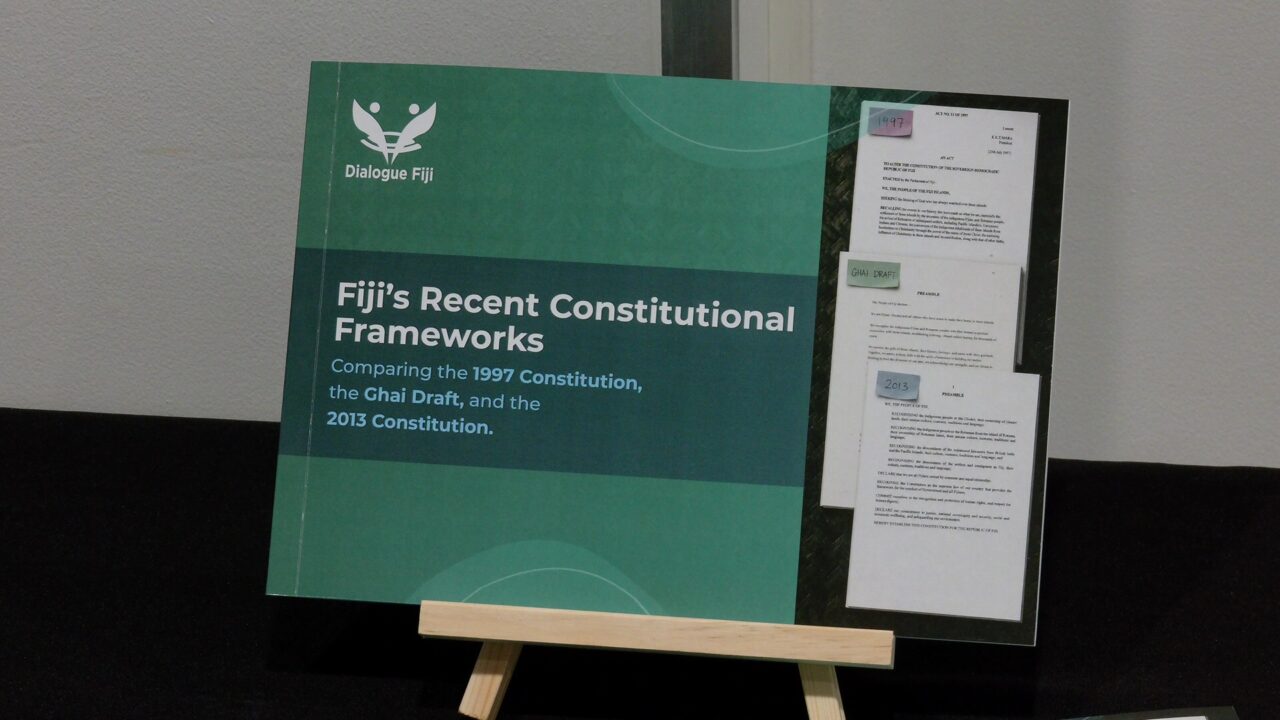
[Photo: File]
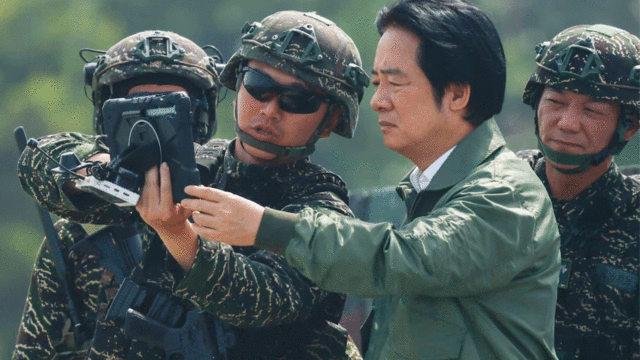
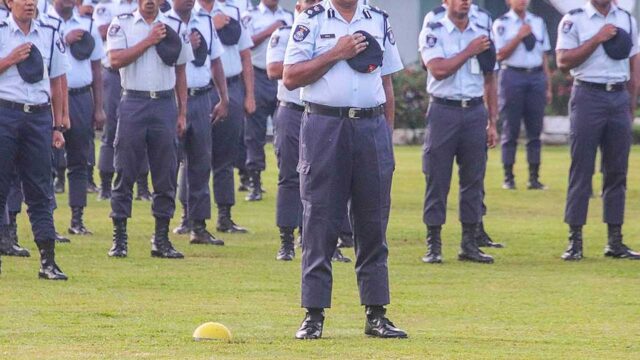
The role of the military under the Constitution is emerging as a key issue in any future constitutional review.
Associate Professor Sandra Tarte says Section 131 of the 2013 Constitution needs closer examination.
It gives the Republic of Fiji Military Forces overall responsibility for the security, defence and well-being of Fiji and its people.
“It can make no difference what the Constitution declares if there are political and military actors prepared to take the law into their own hands.”
Tarte said the provision could be interpreted as giving the military authority over democratically elected governments
For a country with a history of coups, she says this is an issue that cannot be left out of the constitutional debate.
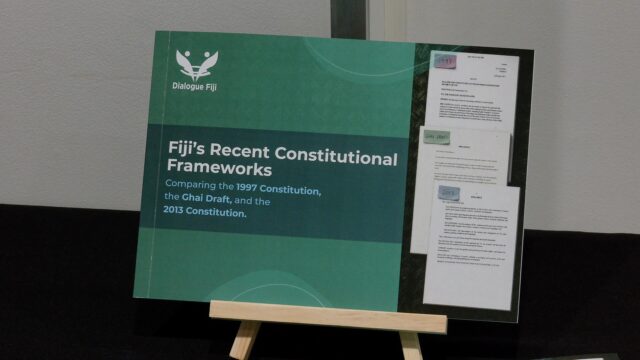
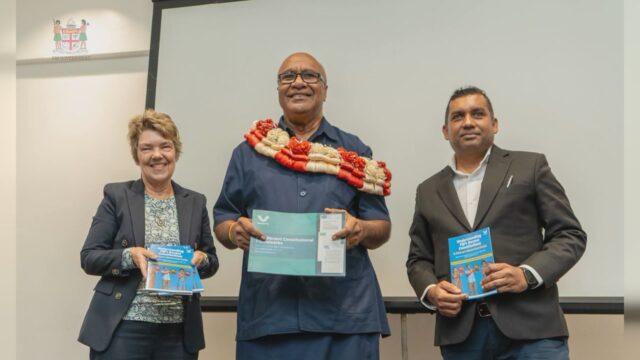
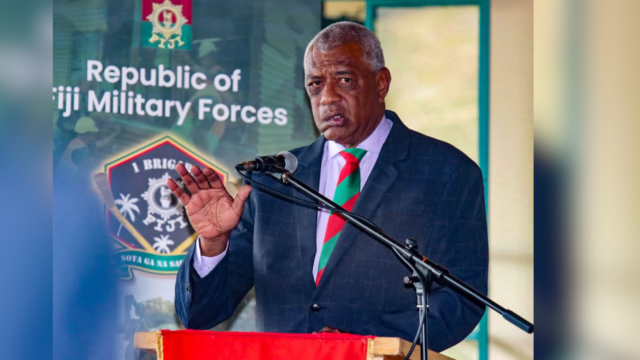
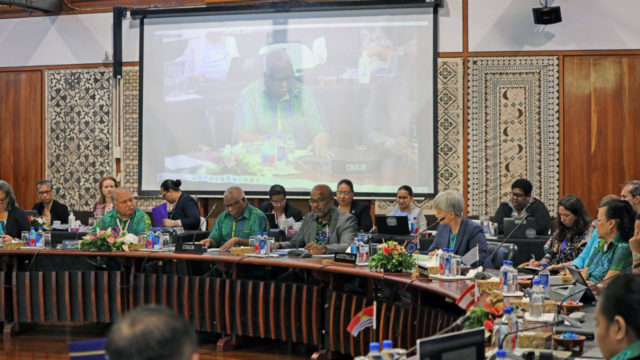
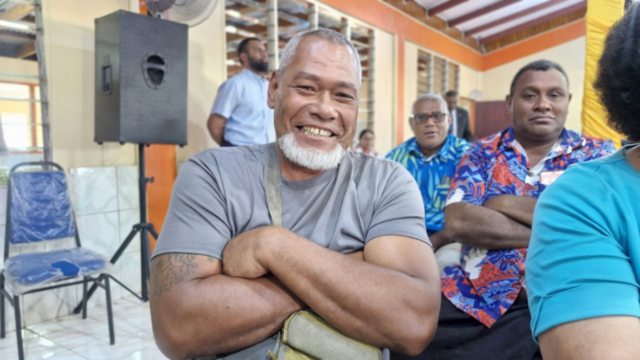
Tarte was speaking at the launch of two new publications by Dialogue Fiji.
She reviewed the publications, which compare the 1997 Constitution, the Yash Ghai draft and the 2013 Constitution.
Tarte points to the move from ethnic-based electoral rolls under earlier constitutions to a common electoral roll under the Ghai draft and the 2013 Constitution.
She also points to the changing role of the Great Council of Chiefs.
It held legislative and executive powers under the 1997 Constitution, was proposed as an advisory body under the Ghai draft and was removed from the 2013 Constitution.
Tarte explained that these changes show that provisions once seen as fixed can change when Fiji’s political circumstances change.
She believes that Fiji has repeatedly rewritten its Constitution and describes the country as experiencing constitutional fatigue.
Dialogue Fiji CEO Nilesh Lal said another problem was the limited understanding of constitutional issues among ordinary Fijians.
Lal states many people have strong views about Constitutions they have never read or do
People, according to Lal cannot make meaningful choices about a future Constitution without first understanding what a constitution does and how it distributes power.
Lal adds that the publications do not tell Fijians which Constitution is better.
Instead, they allow readers to assess individual provisions and decide what they believe is appropriate for Fiji.
The new publications aim to change that by placing the three frameworks side by side and explaining their major provisions.
They cover areas including the Bill of Rights, elections, Parliament, executive power, the judiciary and constitutional amendments.