 Reuters
source: reuters
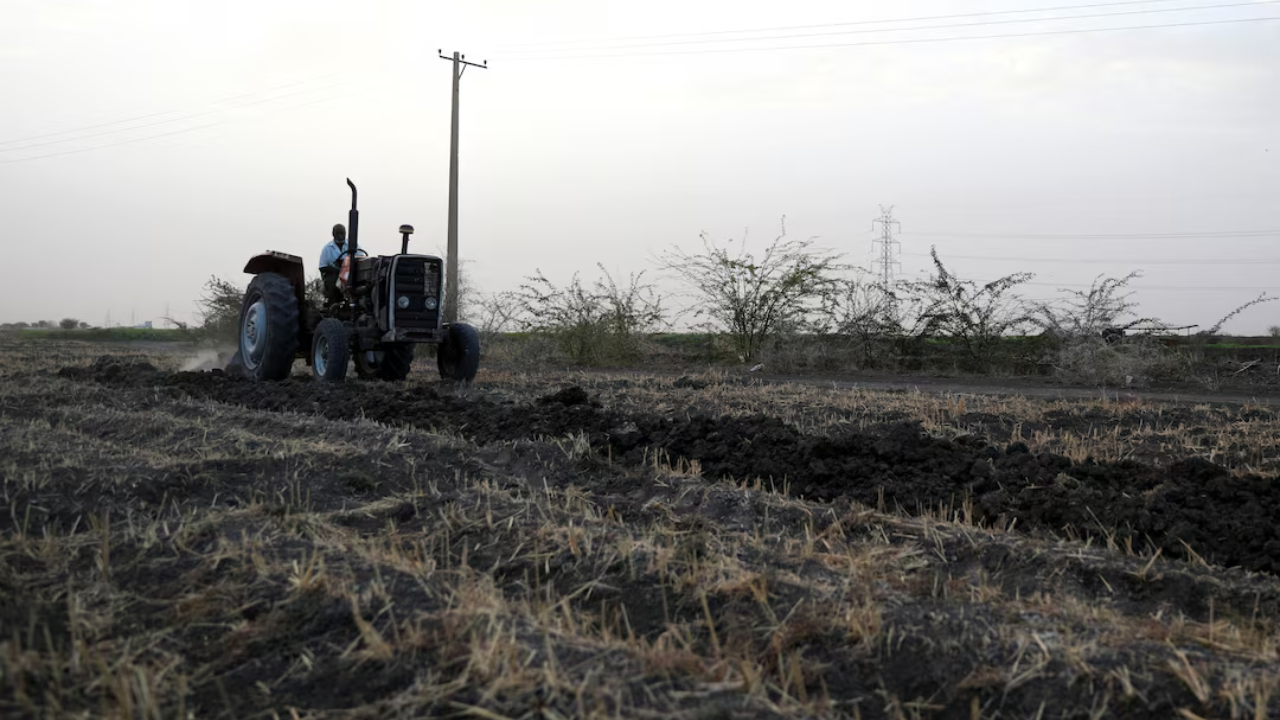
Farmers across Sudan say the hike in global fuel and fertilizer costs resulting from the Iran conflict will force them to cut back on planting this summer, restricting food production in a country where war has caused acute hunger.
Eight farmers from different parts of Sudan, as well as experts working in the sector, told Reuters that fuel and fertilizer price increases would compound problems caused by a civil war, hitting staple domestic crops such as sorghum and millet as well as exports like sesame.
Sudan is particularly vulnerable to the fallout from the Iran crisis as it relies on the Gulf for more than half of its fertilizer needs, according to U.N. data, opens new tab, while the war between the Sudanese army and the paramilitary Rapid Support Forces has left it entirely dependent on fuel imports.
The country is also already at the forefront of a looming global food crisis at a time of shrinking aid budgets.
About 19.5 million people, more than 40% of the population, are facing crisis levels of hunger, with some areas at risk of famine, according to a U.N.-backed monitor.
Sudan’s agricultural potential has drawn interest from Gulf investors but the sector has been hampered by decades of mismanagement and war. About two-thirds of the population depend on farming for their livelihoods.
The regional war has added “salt to the wound,” said Sadig Elamin, the U.N. Food and Agriculture Organization’s senior food security analyst in Sudan, warning that overall production could fall by “not less than 40%.”
A sustained shock risks worsening hunger “well beyond the current food crisis,” the U.N.’s humanitarian office said this month.