 Praneeta Prakash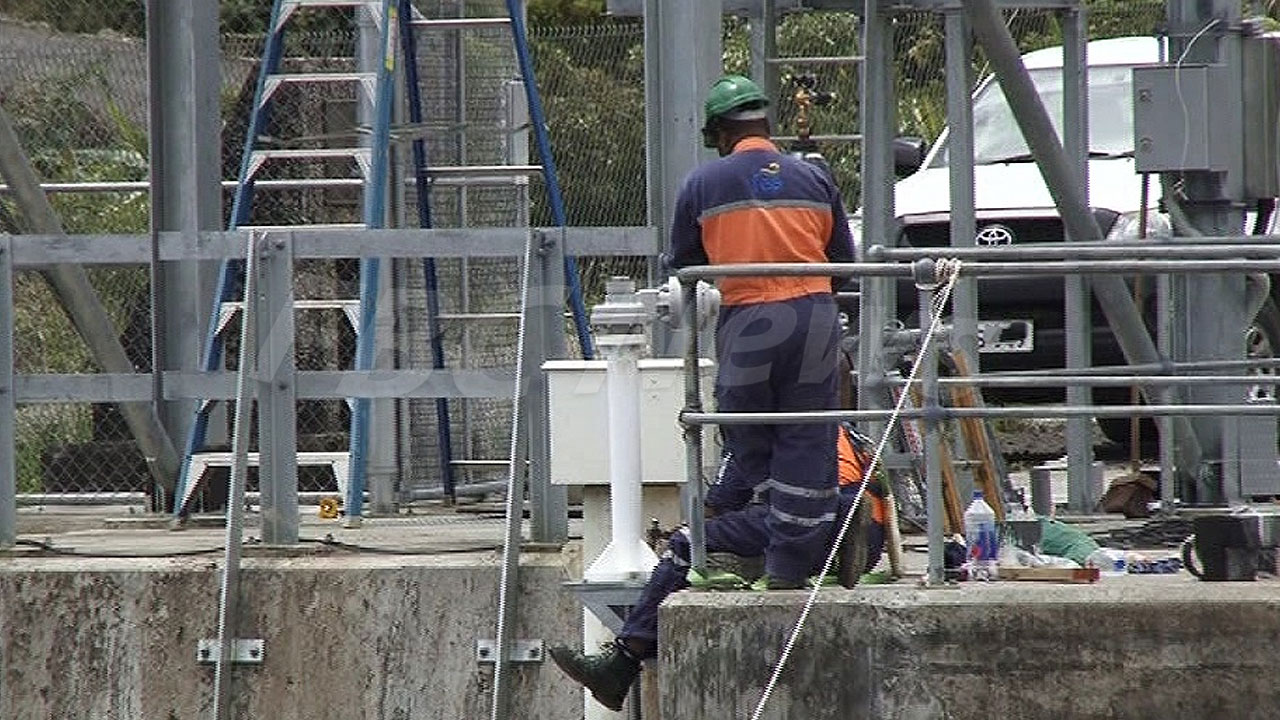
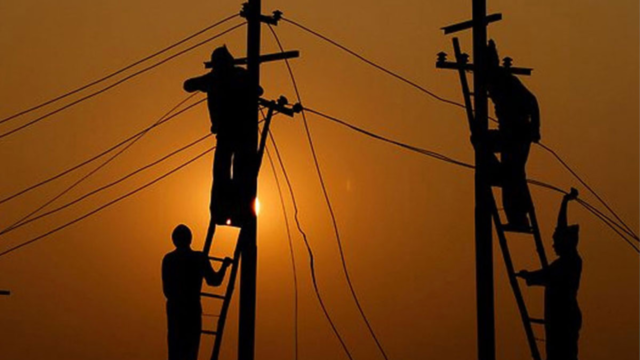
A temporary fuel surcharge of 5.91 cents per kilowatt-hour has been approved across all electricity customer categories. [Photo: FILE]
Energy Fiji Limited says proposed power rationing measures scheduled for next month have been deferred following the approval of an interim electricity fuel surcharge by the Fijian Competition and Consumer Commission.
The utility company has acknowledged the FCCC’s approval of the Interim Electricity Fuel Surcharge Authorization, which came into effect yesterday.
EFL says this is a timely intervention to support the stability and sustainability of Fiji’s electricity sector amid rising global fuel prices and ongoing geopolitical uncertainty.
Under the interim measure, a temporary fuel surcharge of 5.91 cents per kilowatt-hour has been approved across all electricity customer categories.
EFL says the surcharge reflects only a partial recovery of the significant increase in fuel costs being experienced globally and is aimed at helping maintain reliable electricity supply and national energy security while Fiji continues its transition to renewable energy.
The company says Fiji’s electricity system remains vulnerable to international fuel price fluctuations, with around 45 to 50 percent of electricity generation still dependent on imported fuel.
It says while renewable energy remains a national priority, dry weather conditions and growing electricity demand continue to require substantial thermal generation support.
EFL has also confirmed that the proposed controlled power rationing measures, which were tentatively expected to begin from June 1 under the Operational Response Framework, have now been deferred until further notice.
The utility says the decision follows recent developments relating to interim fuel recovery support measures and ongoing coordination with government and key stakeholders.
EFL says it will continue monitoring fuel supply conditions, hydrology levels, electricity demand and overall system stability, adding that the public will be formally informed should load shedding or power rationing become necessary in the future.
The company is also urging customers to conserve electricity, saying every unit of electricity saved helps reduce fuel usage, lower generation costs and ease pressure on imported fuel expenditure.
Chief Executive Fatiaki Gibson says energy conservation is now a national responsibility, and collective efforts will help protect households, businesses and the wider economy from the impacts of global fuel volatility.
EFL has reassured customers that government electricity subsidies will remain available for qualifying low-income households consuming up to 100 kilowatt-hours per month, as well as eligible micro, small and medium enterprises in the lifeline category.