 Riya Mala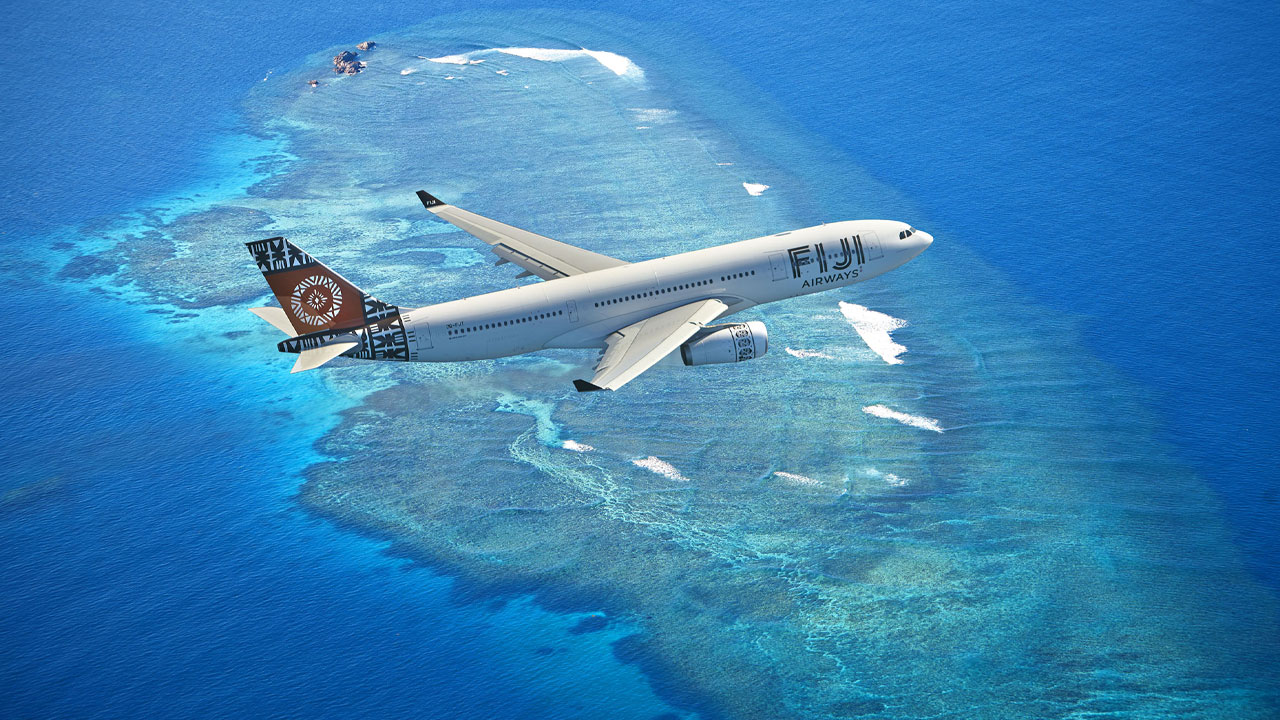
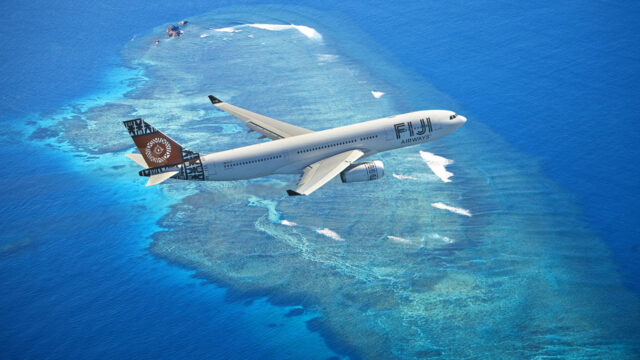
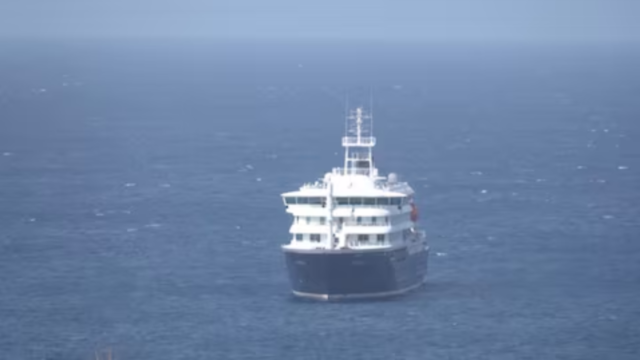
Hotels, tour operators, and cruise operators will be required to contribute towards supporting Fiji Airways through a new temporary tourism services tax announced in the 2026–2027 National Budget.
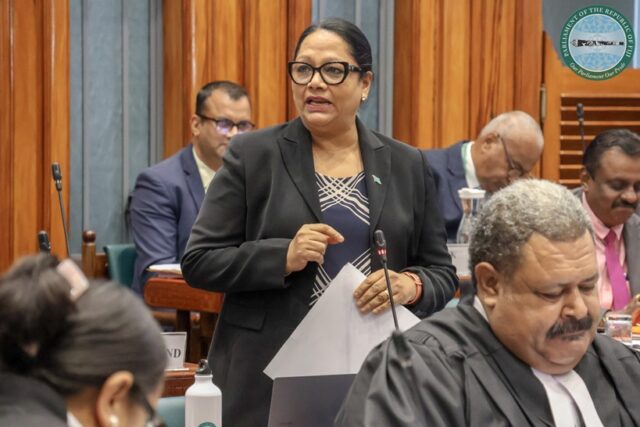
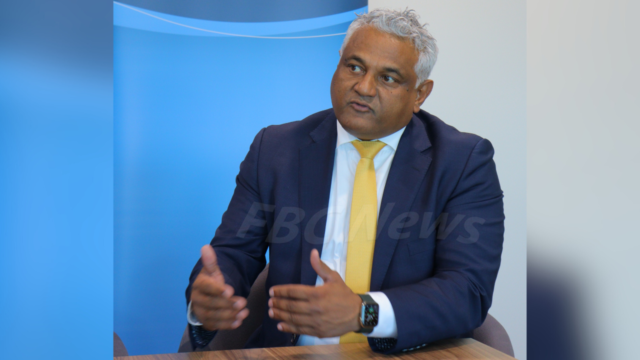
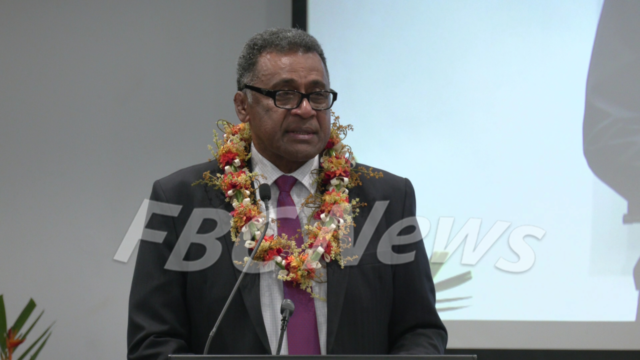
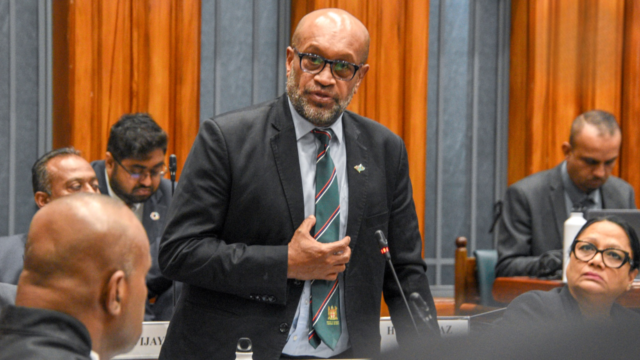
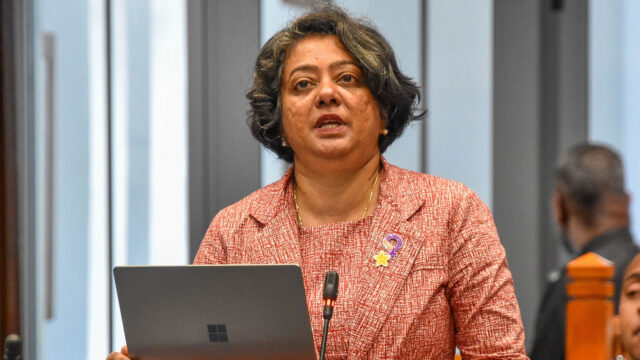
While delivering the budget in Parliament, Minister for Finance Esrom Immanuel says the tourism industry has broadly agreed to support the national airline through a temporary five percent tourism services tax.
The tax will apply to hotels and tour and cruise operators with an annual turnover of $2 million or more, and will remain in place for 12 months.
“The revenue generated will be ring-fenced and fully directed to Fiji Airways, which continues to face financial pressure from rising aviation fuel costs and its ongoing recovery from losses incurred during the COVID-19 pandemic.”
The new levy is expected to generate around $70 million for the national carrier once it comes into effect on September 1, 2026.
He says the national carrier remains central to the tourism industry, as it carries the majority of international visitors and plays a key role in positioning the country as the aviation hub of the South Pacific.
Immanuel adds that the tourism industry has largely agreed that the cost of the tax will be absorbed by operators rather than passed on to visitors, in order to protect Fiji’s competitiveness in the global tourism market.
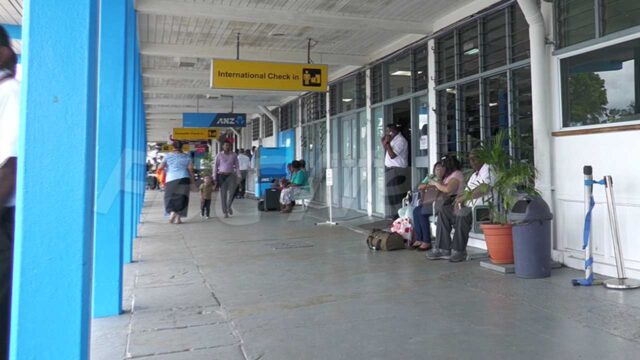
The Finance Minister says they are also working closely with key stakeholders, including Fiji Airports, Air Terminal Services, the Civil Aviation Authority of Fiji, the Fiji National Provident Fund, and the Fiji Development Bank, to ease the airline’s financial pressures.
He says these coordinated efforts are aimed at ensuring Fiji Airways remains financially stable and continues to support tourism growth, trade, and regional connectivity.
In addition to the tourism services tax, the government will also provide Fiji Airways with a planned $200 million government guarantee, which will be brought before Parliament soon.
Immanuel says the combined support measures reflect the strategic importance of Fiji Airways to the national economy and the need to safeguard the country’s tourism-driven recovery and long-term growth.
Meanwhile, Fiji Airports is undertaking a major aviation infrastructure programme worth more than $700 million over the next five years.
The investment will modernize airports, upgrade regional facilities, introduce digital technologies, expand renewable energy infrastructure, and strengthen aviation safety systems.
Immanuel adds that implementation has also commenced on the $440 million, 10-year Vanua Levu Tourism Development Programme, known as the Na Vualiku Project.
He says the first phase of the programme will fund investments in roads, airports, water supply, sanitation, energy, and waste management infrastructure across Vanua Levu and Taveuni, with $20 million allocated in the budget for implementation activities next year.
The government will also continue advancing the Nadi River Flood Alleviation Project, which is considered critical to protecting both communities and the tourism industry in Fiji’s tourism hub.