 Riya Mala
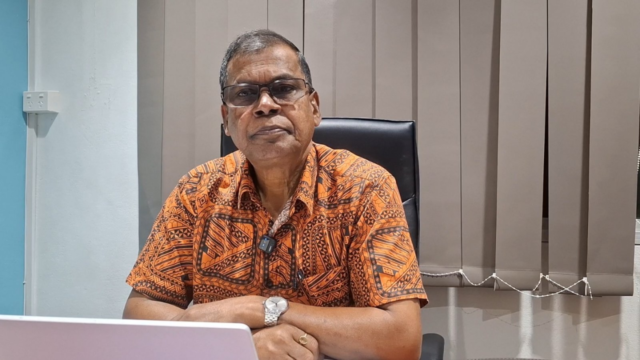
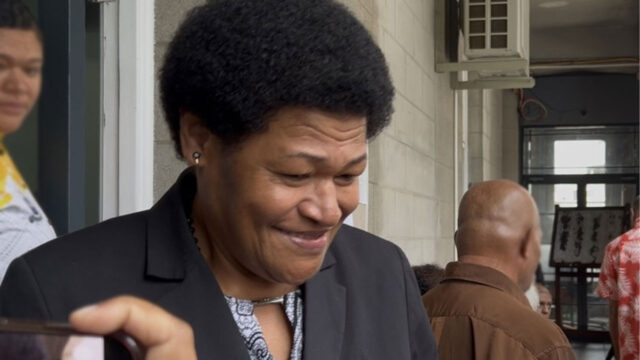
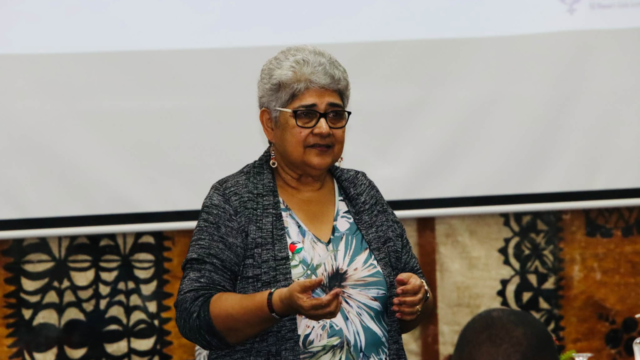
Fiji Women’s Crisis Centre Coordinator Shamima Ali. [Photo: FILE]
Fiji has strong laws and policies to address domestic violence, but the biggest challenge remains putting them into action.
Fiji Women’s Crisis Centre Coordinator Shamima Ali says while frameworks have been developed by the Ministry of Women and other stakeholders, effective implementation continues to be a major concern.
She adds laws such as the Domestic Violence Act and provisions under the Crimes Act exist, but failures in enforcement continue to affect survivors of violence.
Ali says those responsible for implementing these policies need better training and a deeper understanding of gender issues and the causes of violence.
“Understanding the gender dynamics. We live in a male-dominated society. How does it work? How can we prevent it? Until we learn this, until the police don’t train us properly, we see these problems. We see that women are taught from a young age that they have to compromise.”
Ali adds that addressing gender-based violence requires a whole-of-government and community approach, including awareness, training and education on gender dynamics.
Fiji, she states, remains a male-dominated society where women are often taught from a young age to tolerate and compromise, creating barriers when they try to seek help or speak out.
She adds that social expectations often place most responsibilities on women, while girls continue to face restrictions and double standards compared to boys.
Ali says changing attitudes and strengthening implementation of existing laws are critical steps in preventing violence against women and creating a safer society.