 Riya Mala
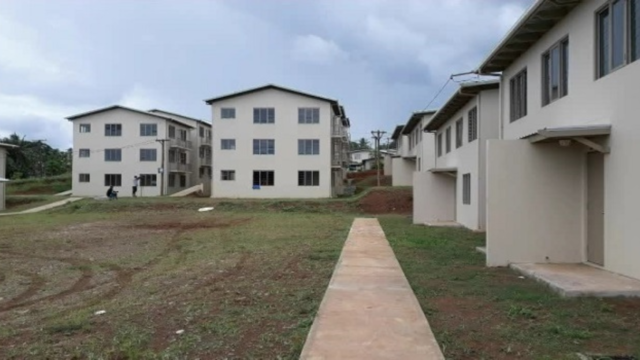
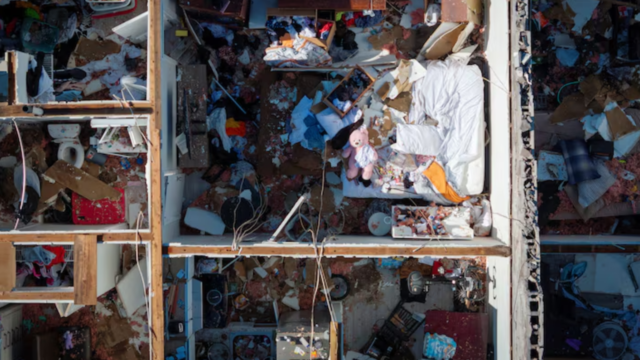
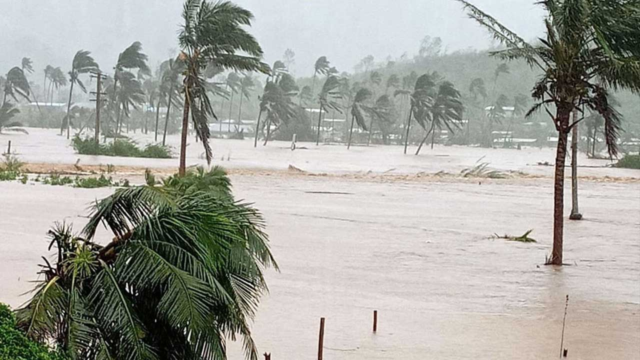
Climate-resilient housing has become a major priority for Fiji as the country faces increasing threats from climate change and natural disasters.
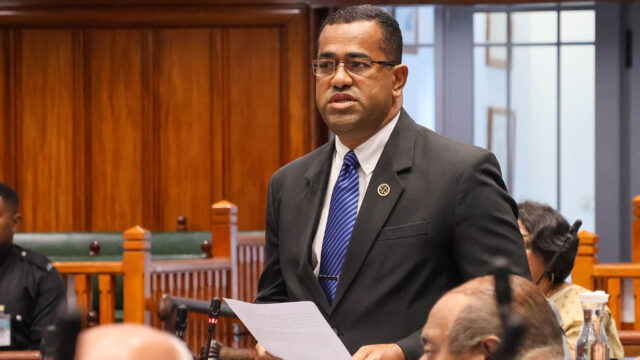
Minister for Housing Macia Nalumisa says the government is focusing on stronger, safer, and more sustainable housing models to better protect communities across the country.
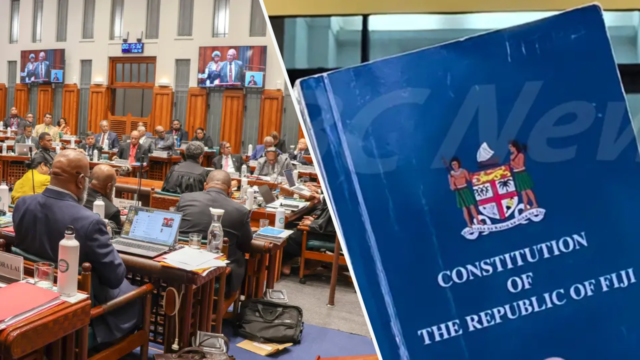
He adds that Fiji is moving towards full compliance with updated National Building Code standards and climate-resilient construction requirements for all future housing developments.
The government is also targeting at least 20 percent of new housing developments to meet green housing standards by 2030 in an effort to reduce environmental impacts and lower long-term costs for families.
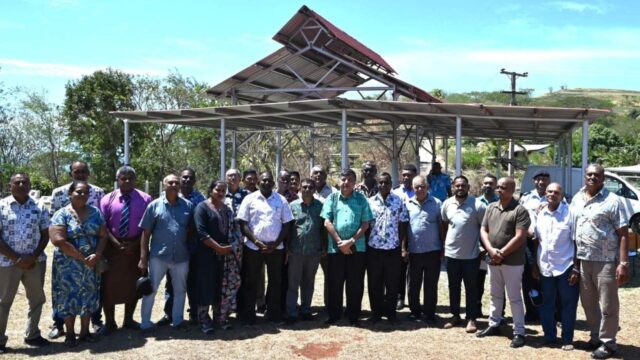
“Now we’re moving towards exploring models that will be very sustainable and also resilient, encouraging steel as well as prefabricated and precast construction materials. Effective delivery also requires strong institutions, capacity, and governance.”
Nalumisa says the government is working with housing agencies, development partners, and the private sector to strengthen housing resilience and better prepare communities for climate challenges.
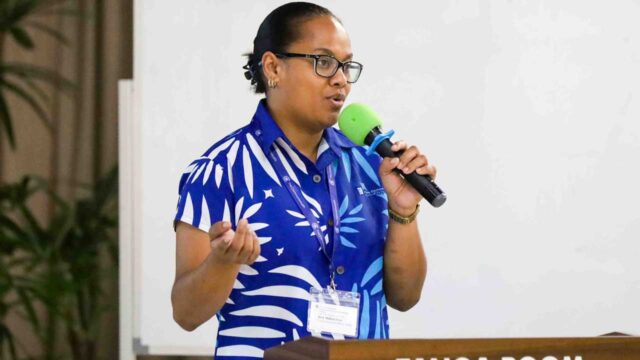
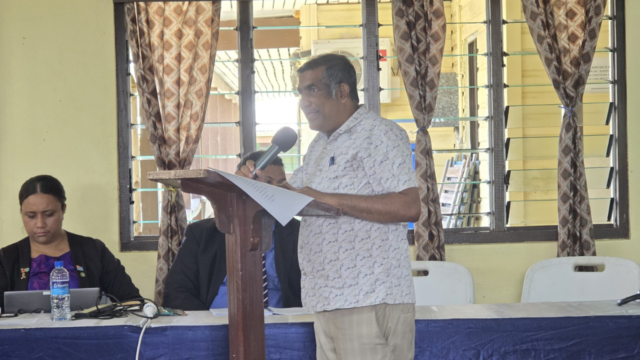
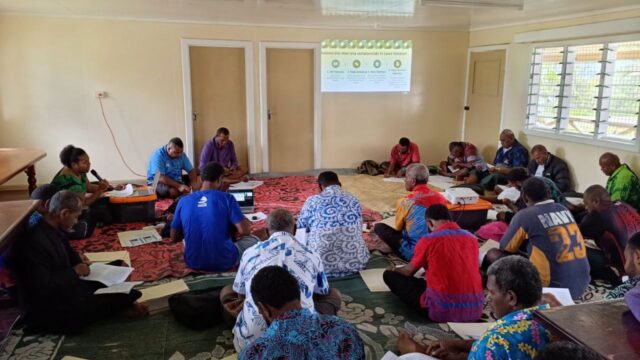
New Zealand High Commisioner to Fiji Greg Andrews says housing solutions must be inclusive, resilient, and grounded in the lived realities of communities.
“This includes ensuring that women, persons with disabilities, youth, and those in informal settlements are not only considered, but are actively shaping solutions. We also see strong links between housing and broader development priorities, climate resilience, disaster reduction, and sustainable urban development. That’s why forums like this really matter.”
Andrews adds that building safer and more sustainable homes is essential to protecting families and strengthening Fiji’s long-term development goals.