 Bose Vavataga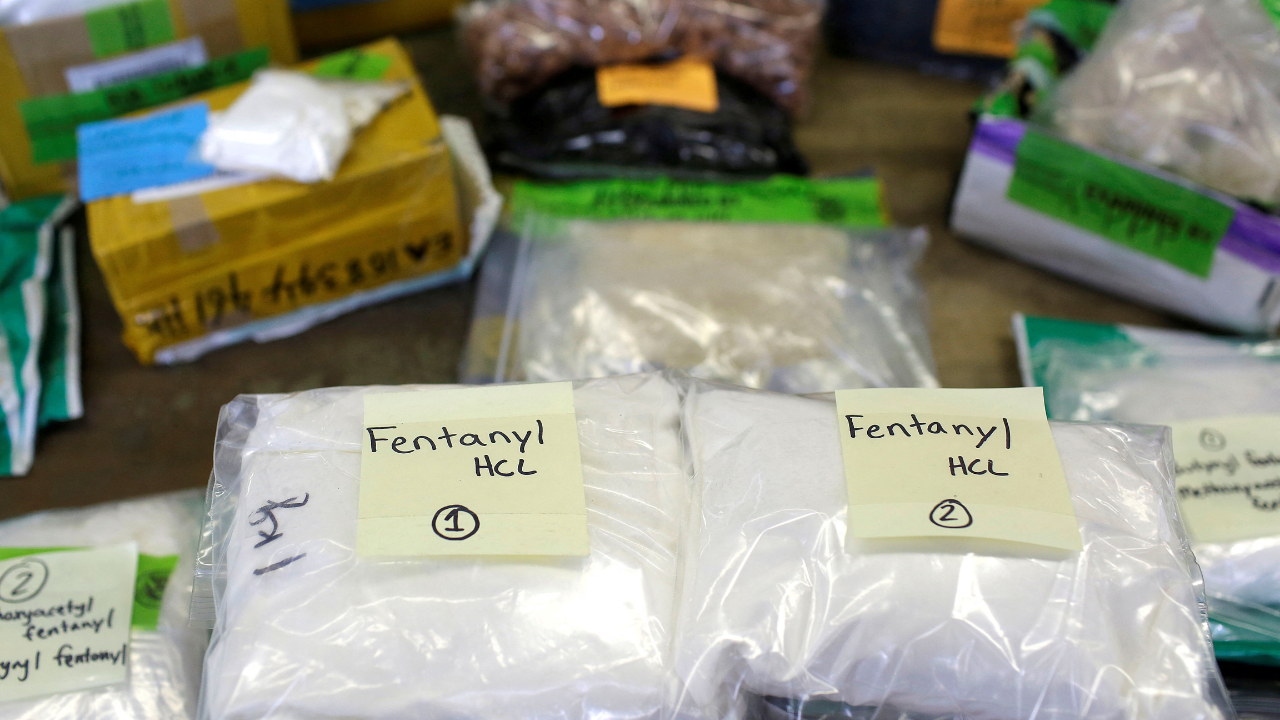
[file photo]
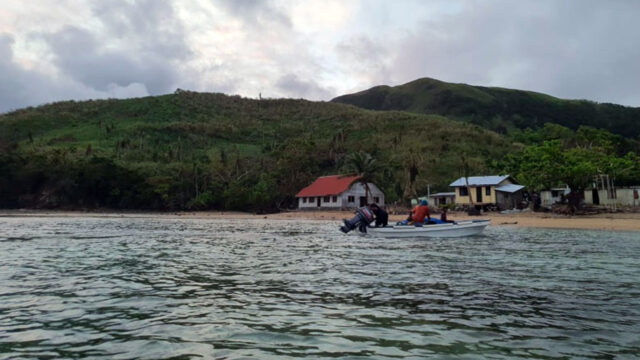
Pacific waters are being exploited by international drug cartels, with criminal networks using weak maritime surveillance, vast ocean borders and new technology to move illicit commodities across the region.
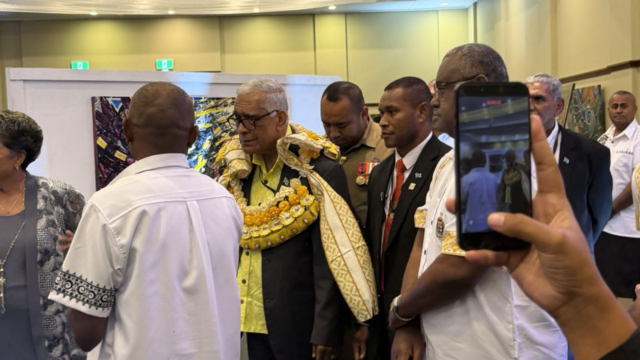
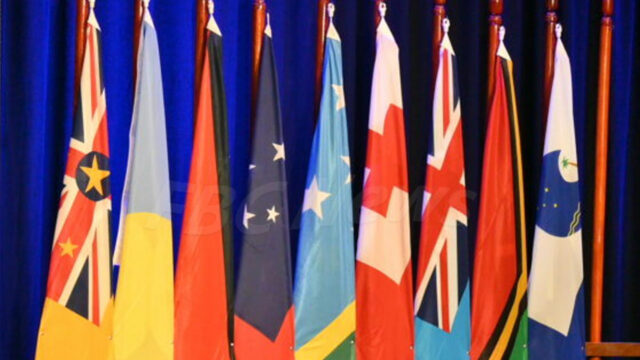
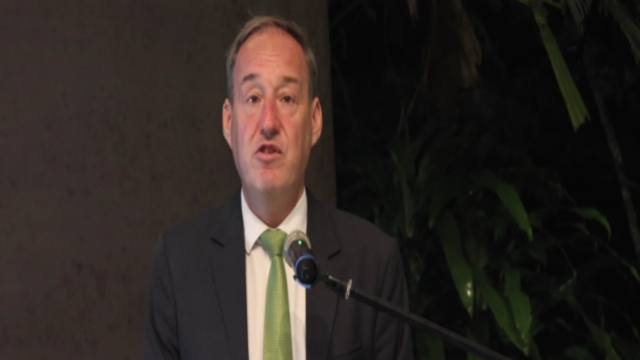
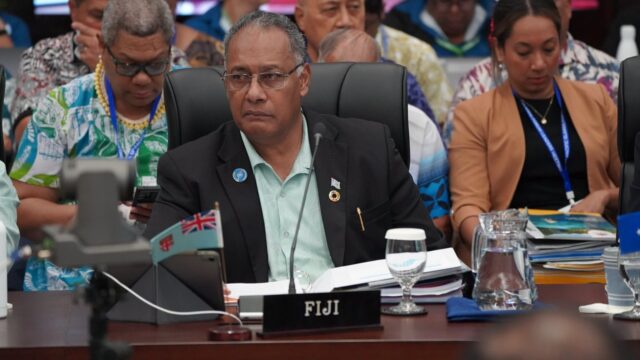
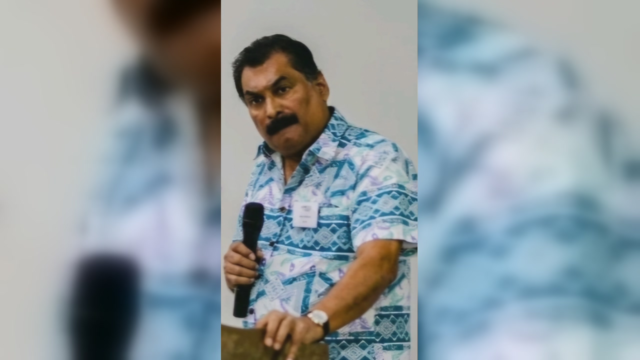
Speaking at the Pacific Police Summit, Assistant Superintendent of Police Savenaca Tuivaga warned that traffickers have identified Pacific Island countries as targets of opportunity, turning the region into a corridor for narcotics and other transnational crimes.
Waqa said the Pacific is facing a changing threat, with drugs no longer arriving only through traditional routes.
He said authorities have intercepted illicit shipments hidden in aircraft, shipping containers, fishing vessels and yachts, while the latest concern involves semi-submersible vessels moving large quantities undetected and right into the pacific.
“For us, it’s a big challenge, especially when you look at the routes that have been identified by our colleagues from Colombia, which was they are coming directly towards the Pacific, and the market is Australia, New Zealand, and Asia”
Tuivaga said organised crime groups are adapting faster than law enforcement responses and often send several shipments at once, knowing some will evade capture.
He pointed to major drug interceptions in Fiji and French Polynesia as signs of a wider flow of narcotics moving through Pacific waters.
Tuivaga said the Pacific Transnational Crime Network has become a critical defence, expanding from a single unit in Fiji in 2002 to operations across 21 countries and 29 units.
“It was a pilot project back in 2002. It’s been in operation since then. It started off with one office in Suva. We’ve rented now into four offices in Rakiraki, Savusavu, and in Nadi Airport. So for Fiji, yes, we’ve seen the advantages of sharing of intelligence, sharing of information, because we cannot do it alone”
Tuivaga has urged Pacific leaders to strengthen cooperation, warning the next decade will bring tougher transnational crime threats that demand stronger laws and action.