 Litia Cava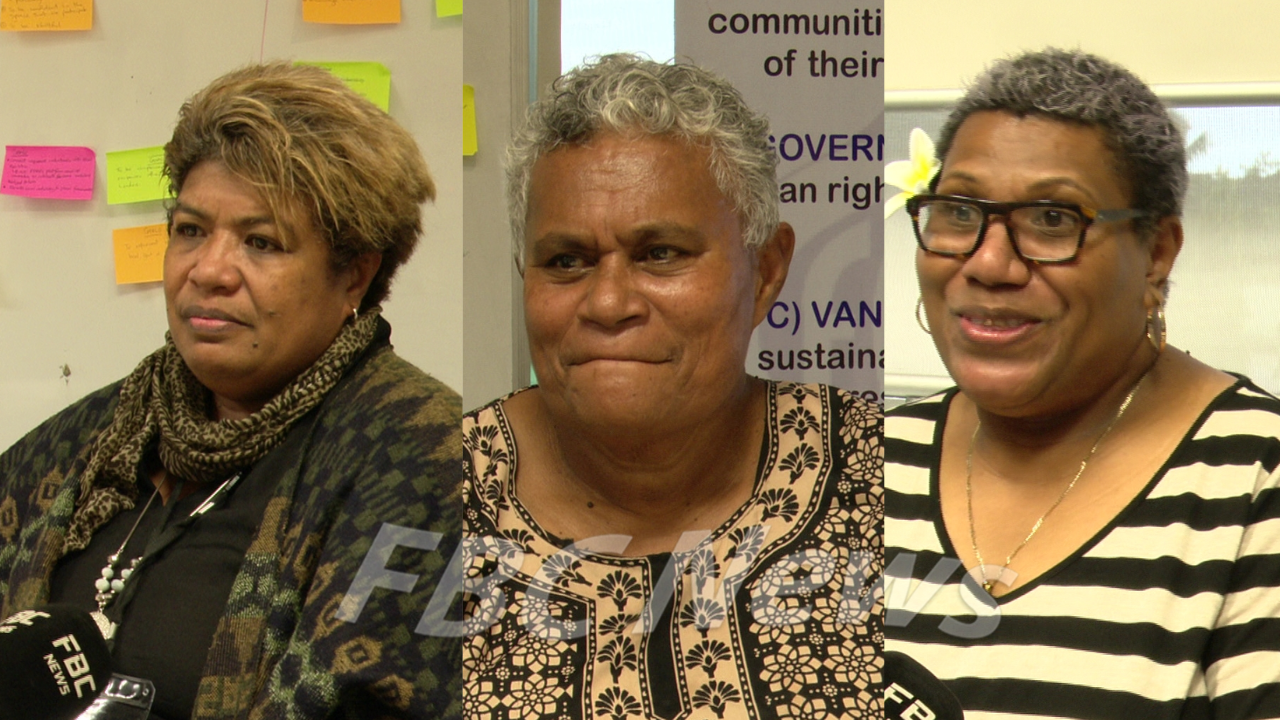
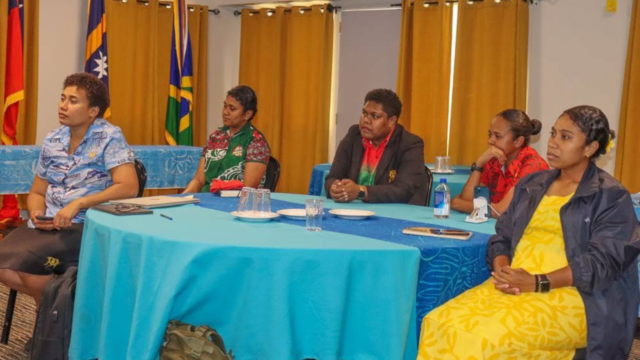
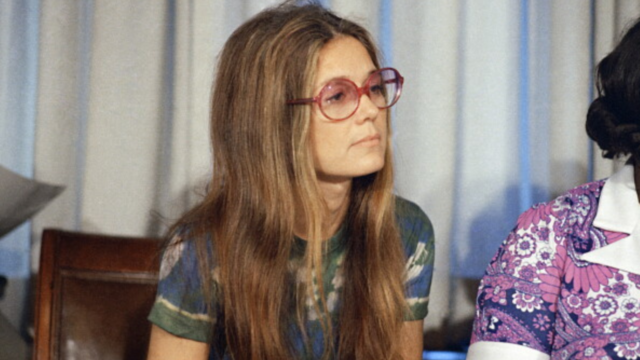
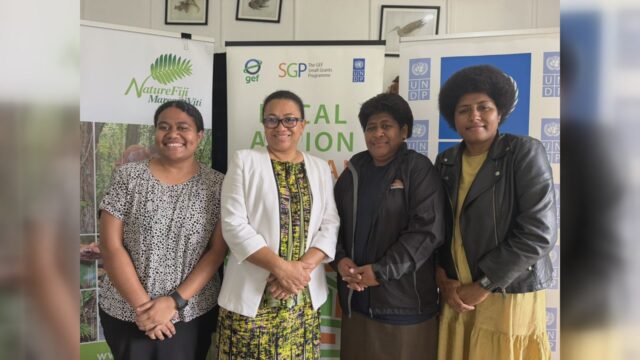
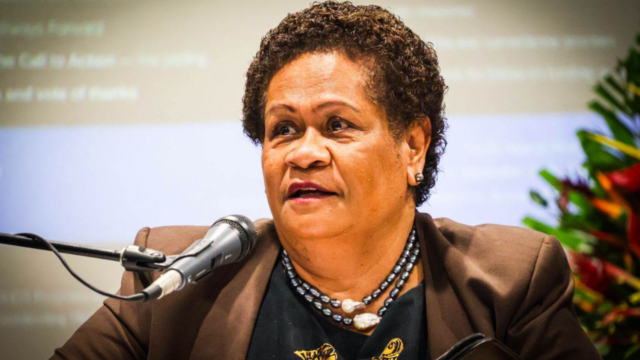
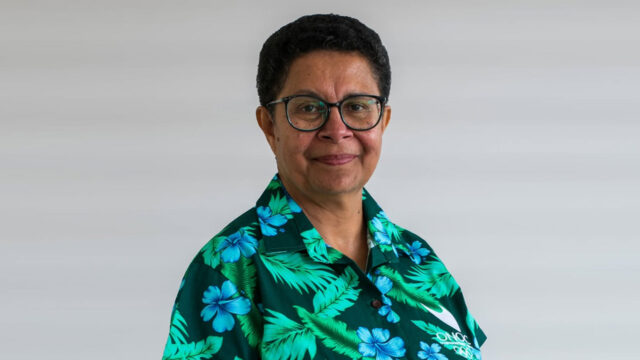
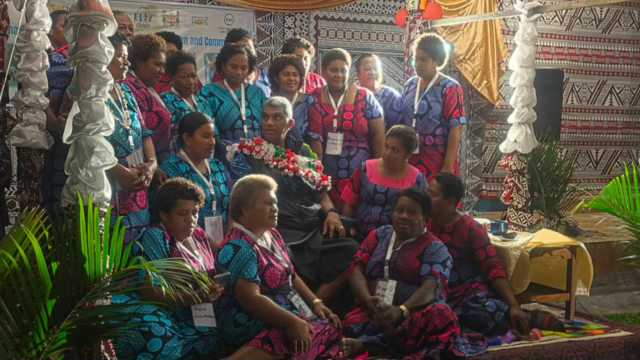
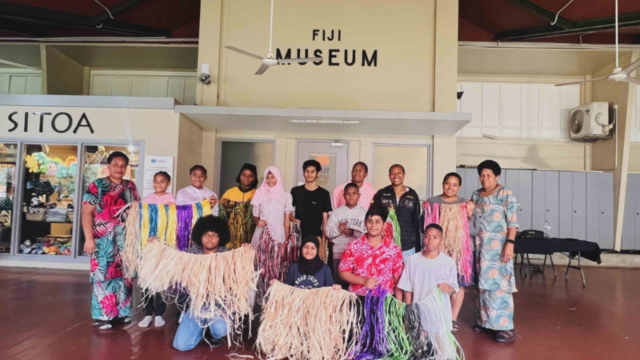
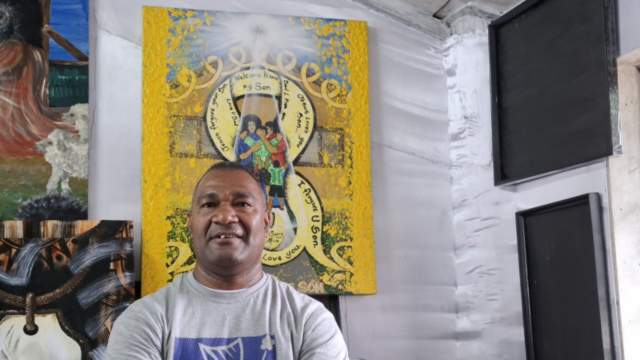
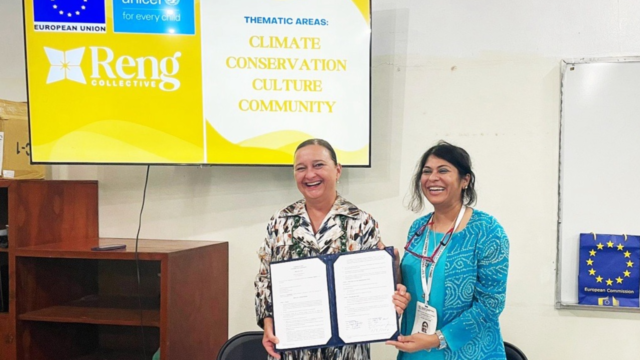
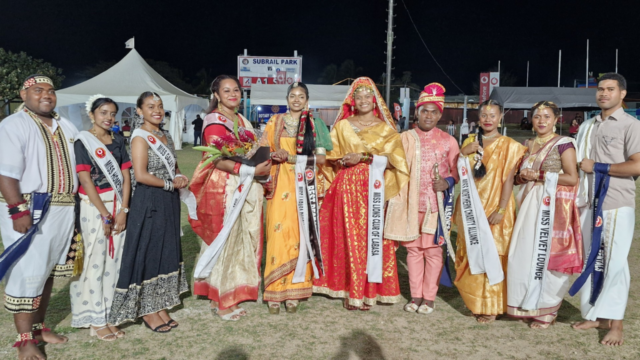
Adi Siteri Kubunavanua, Kasanita Nadruku,Repeka Kagi. [Picture: Litia Cava]
The government’s decision to defer the long-awaited municipal elections has disappointed several female community leaders across the country.
Many say the polls were an important opportunity for grassroots voices, particularly women, to step into leadership and influence local decision-making.
For women working directly with struggling communities, the delay is more than a political setback. They say it pushes aside urgent local issues that continue to affect families every day.
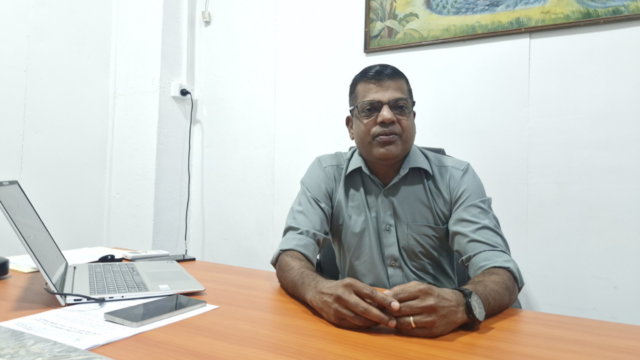
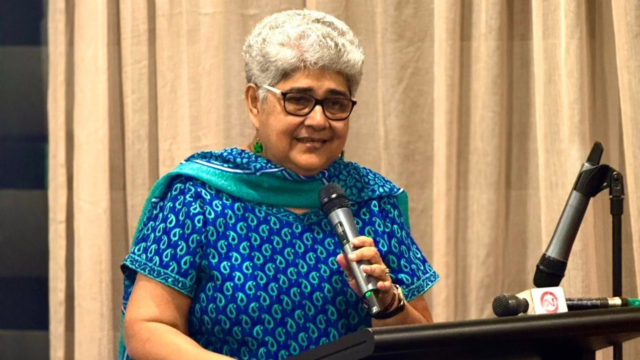
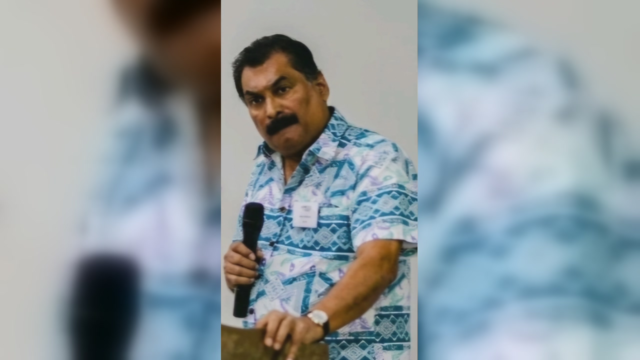
Among those disappointed is Adi Siteri Kubunavanua, a District Advisory Councillor in Samabula. For years, she has worked closely with vulnerable families and informal settlements, helping connect communities with government support services and NGOs.
Her work focuses on identifying social and economic challenges within communities. That includes poverty, housing concerns, youth issues, unemployment and access to welfare assistance.
“Services provided in my community are lacking, and this is especially for the elderly, the disable and other vulnerable groups; they need help.”
Kubunavanua said she had been preparing to contest the municipal elections because she believed local government was where real and immediate change could happen.
She currently works with 16 communities across the Samabula and Nabua areas.
She says leaders at the grassroots level understand the realities people face because they deal with those struggles daily. According to Kubunavanua, the municipal elections would have allowed more community-based leaders to directly influence local development and decision-making.
In the West, Nadroga/Navosa community advocate Kasanita Nadruku also expressed frustration over the delay. She said many municipal issues affecting ordinary people rarely receive national attention.
“It’s been 21 years since we had the last municipal election, and I was looking forward to this because there are a lot of community issues that need to be dealt with at the community level.”
Nadruku said she had hoped to contest the elections to ensure community concerns were properly represented. She believes leaders on the ground have a deeper understanding of the challenges faced by families in rural and semi-urban communities.
She pointed to issues such as poor infrastructure, drainage problems, unemployment, limited services, and rising living costs. According to Nadruku, these are everyday struggles that continue to impact communities but are often overlooked at higher levels.
Women’s advocate Repeka Kagi also described the postponement as disappointing. However, she says the decision has strengthened her determination to step into leadership.
“This space is not easy, and so we are trying to cover as to where we can come in as women.”
Kagi believes women play a key role in governance because they are often directly involved in addressing social issues within communities. She says women bring practical experience, stronger community engagement and a different perspective to leadership.
Despite the setback, Kagi confirmed she now plans to contest the next general election.
She states that Fiji needs more leaders who are connected to ordinary people and understand the challenges communities face daily.
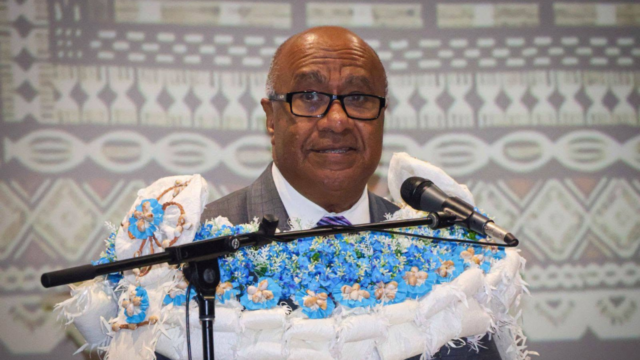
Yesterday, Prime Minister Sitiveni Rabuka confirmed that the municipal elections will now be held after the next general election.
Speaking during a national address in Suva, Rabuka said the government could not absorb the financial and operational pressure of conducting another major election during a period of growing economic strain.
He said the Cabinet’s decision was based on cost and national capacity concerns. The Prime Minister revealed that the municipal elections were expected to cost approximately $18 million.
Rabuka also pointed to rising fuel prices, transport costs, and increasing pressure on essential services as major factors behind the decision.