 Litia Cava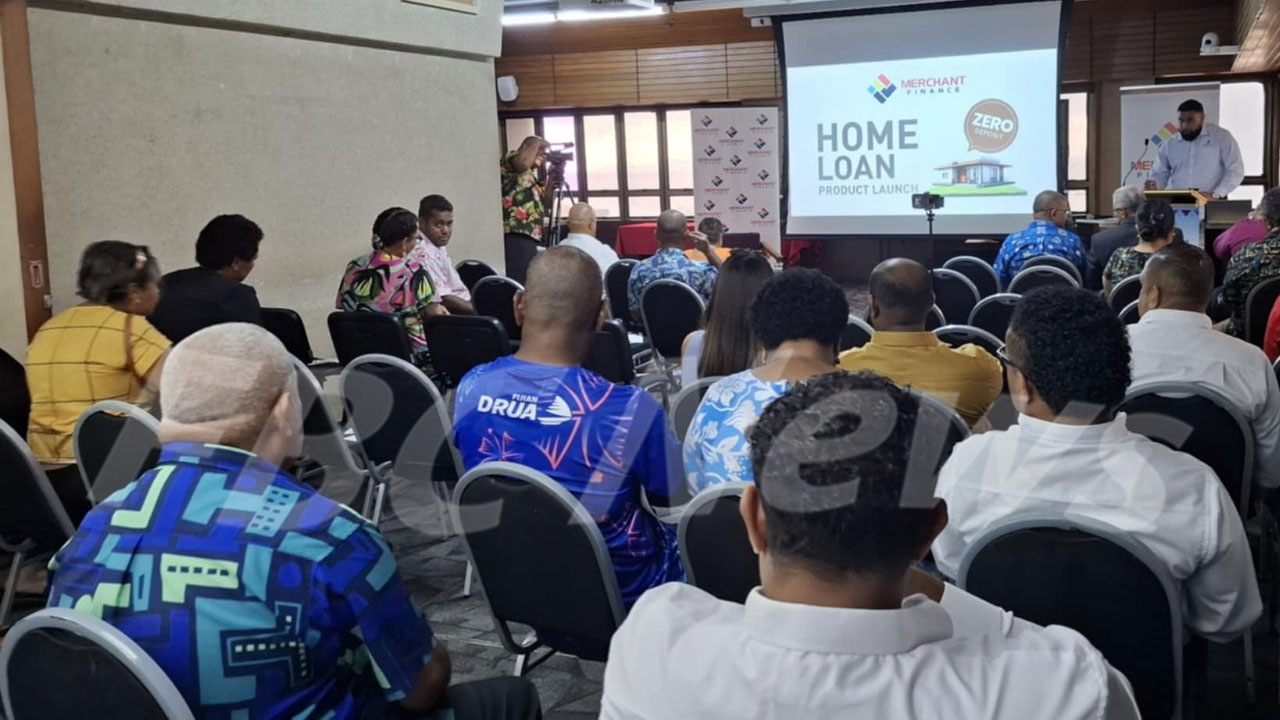
[Photo: FILE]
High household debt is preventing many Fijians from securing home loans, even as demand for property ownership continues to grow.
Merchant Finance says applicants who are financially capable of servicing mortgages are being rejected due to existing unsecured loans and overcommitment across the lending sector.
The company states this remains one of the biggest barriers to first-time home ownership in Fiji.
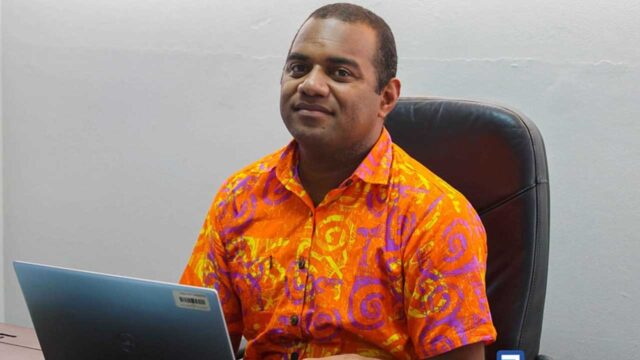
Merchant Finance Chief Executive Officer Veilawa Rereiwasaliwa said many applicants could afford loans between $300,000 and $400,000, but are held back by existing financial commitments.
He said borrowers are advised to reduce debt levels before reapplying for finance.
“The reason we wanted to put the infographic out was to address, I guess, some urban myths. One was whenever we put something out on a home loan, people would say the interest is too high. But there, as you can see, for the fixed rate period, the highest is 5.99 and interest on reducing balance.”
Rereiwasaliwa said the issue has become more visible as demand for housing finance rises across the country.
At the same time, Merchant Finance has recorded its first major milestone this year, settling 100 home and land loans valued at $15.1 million as of December 2025.
Of the 100 loans, 46 were home loans, and 54 were land loans, reflecting strong demand across both property segments.
Data from the company shows most homebuyers purchased properties priced between $201,000 and $350,000, accounting for 61 percent of customers.
A further 20 percent bought homes valued between $351,000 and $500,000, while 13 percent purchased homes below $200,000.
Most borrowers were young to middle-aged. Sixty-one percent were aged between 30 and 40, while 22 percent were under 30 years. Joint applications dominated at 61 percent of all loans.
Rereiwasaliwa said the lending model was designed to widen access for first-time buyers who are locked out of traditional banking.
He said zero-deposit loans, higher debt servicing ratios of up to 60 percent and longer repayment terms are helping more families enter the market.
He said the 100 loans represent households that would not have accessed finance through conventional lenders, adding that demand continues to grow with hundreds of applications still in the pipeline.