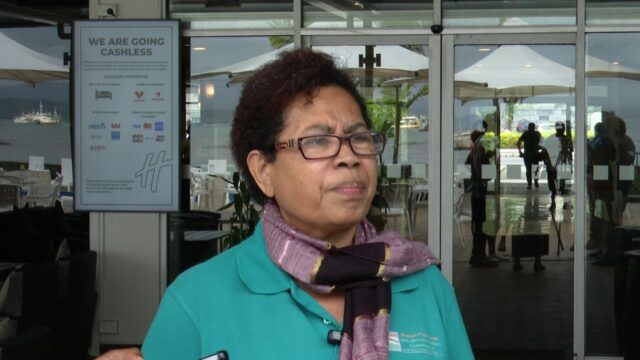
 Litia Cava
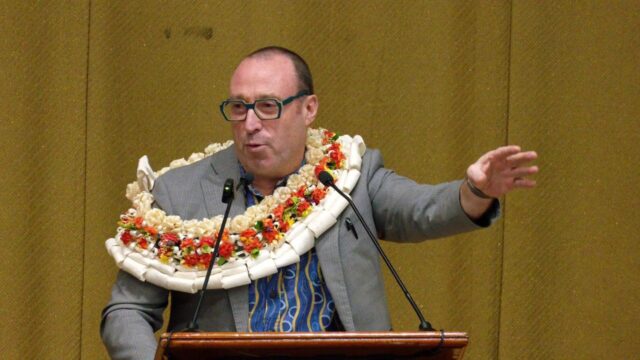
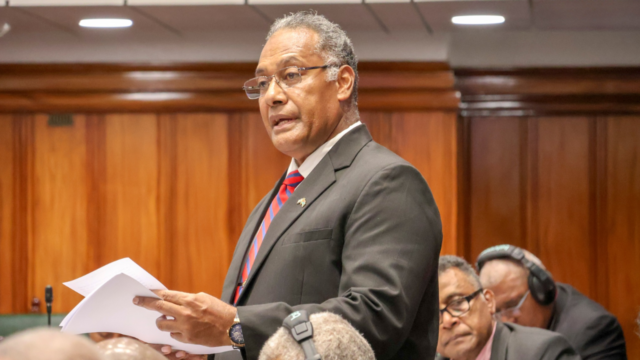
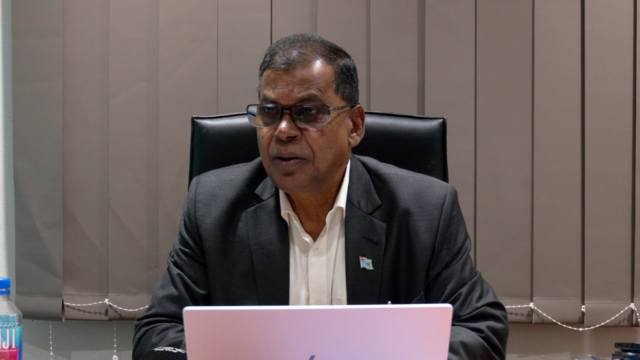
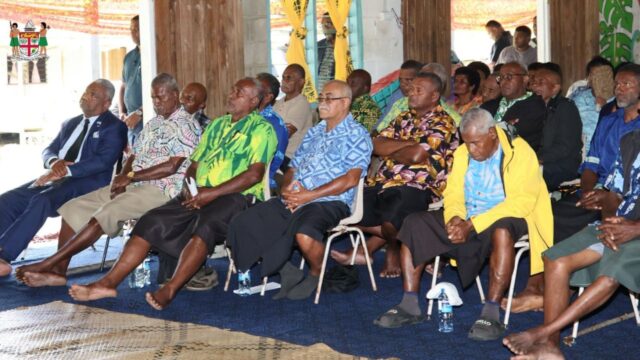
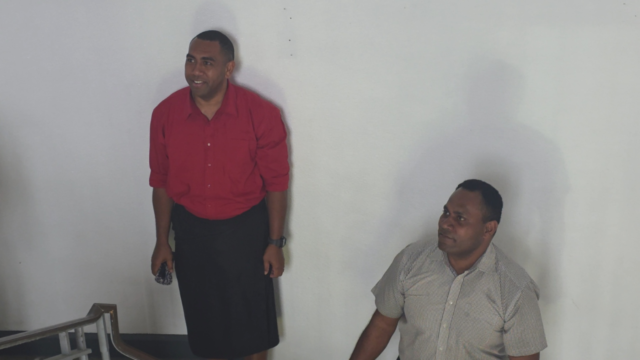
Dr Professor Patrick Keyzer. [Photo: LITIA CAVA]
The High Court has been told that findings of coercion, intimidation and conspiracy in a Commission of Inquiry report collapse under scrutiny.
Dr Professor Patrick Keyzer submitted that the conclusions are not supported by evidence capable of meeting the legal threshold.
Dr Keyzer said the reasoning in the report does not sustain the outcomes reached. He argued that the findings were drawn from material that could not properly ground allegations of coercion, intimidation and conspiracy in a public law setting.
The applicants are all named in the Commission of Inquiry report. They include former FICAC Commissioner Barbara Malimali, senior counsel Wylie Clarke and Laurel Vaurasi. Former Attorney-General Graham Leung is also part of the challenge.
They are asking the court to quash both the findings and recommendations. The case centres on claims of reputational damage and financial loss said to flow from the report.
Dr Keyzer, appearing on behalf of King’s Counsel Martin Daubney as lead counsel for Clarke and Vaurasi, told the court the inquiry moved outside its lawful limits.
He submitted that the Commission was confined by its terms of reference. Any reliance on post-appointment events, he said, was beyond power and legally unsound.
He argued there is no evidential bridge linking his clients to the adverse findings. In his submission, the material relied upon by the Commission does not reach the standard required to justify the conclusions recorded.
Dr Keyzer also raised procedural fairness concerns. He said the applicants were not properly informed of critical allegations during the inquiry process. That, he argued, left them unable to respond in a meaningful way.
On bias, Dr Keyzer relied on established apprehended bias principles. He referred to the Prakash test and the double-mind standard. He said the question was whether a fair-minded observer would reasonably apprehend bias on the material before the court.
He also cited the High Court of Australia authority. He said it supports the proposition that post-decision conduct may still be relevant in assessing bias, depending on context.
Dr Keyzer urged the court to set aside the report in full. He submitted that jurisdictional error, evidential deficiency and procedural unfairness combined to justify quashing both findings and recommendations.
The submissions were made in response to arguments from the Attorney-General’s office, the Prime Minister’s counsel and the Commission of Inquiry through Commissioner Ashton Lewis.