 Litia Cava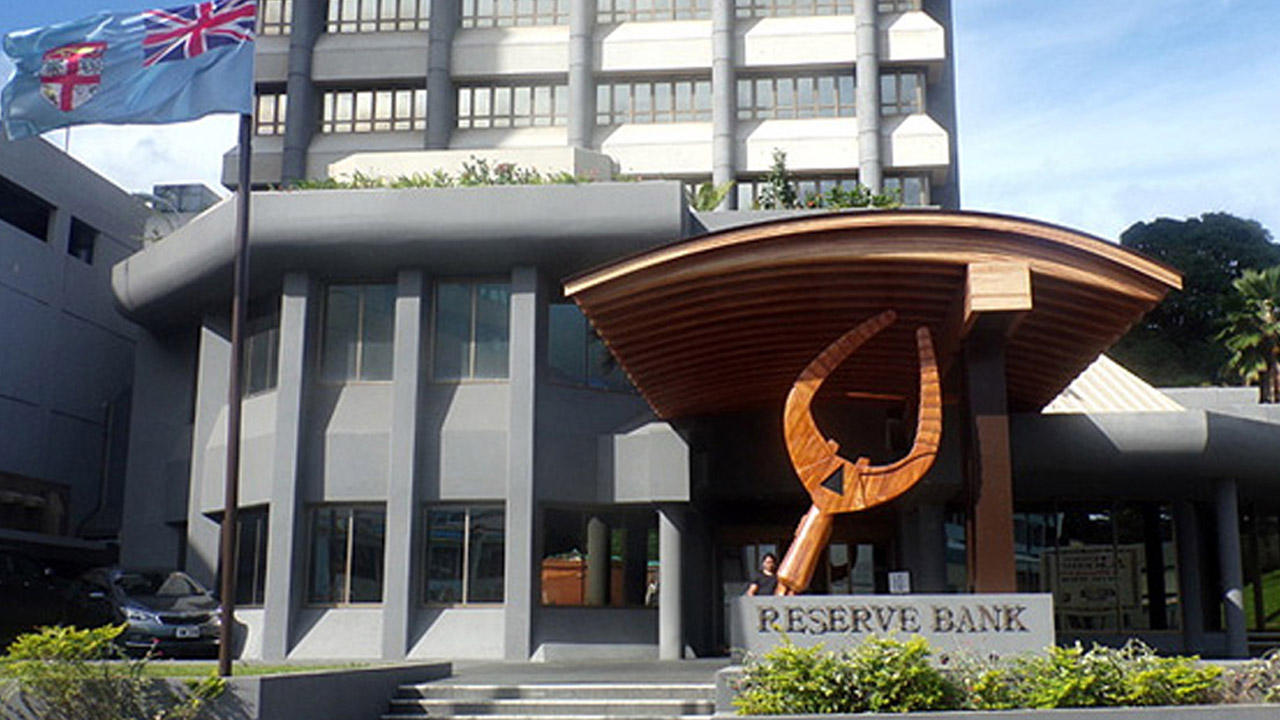
[Photo: FILE]
Fiji’s economy faces risks from global trade uncertainty and geopolitical tensions.
Domestic conditions, however, remain stable.
This, according to the Reserve Bank of Fiji’s February Economic Review.
The report said the global trade outlook has become more uncertain. The United States introduced a 10 per cent tariff on all imports under new Trade Act authority with plans to raise it to 15 per cent.
This follows a Supreme Court decision that struck down earlier tariffs. The US has also launched a US$12 billion Project Vault and signed new critical minerals agreements to boost domestic supply.
Tensions involving Iran are adding pressure to oil markets. Brent crude rose to US$70.70 per barrel at the end of January. Gold prices climbed to US$4,745.1 per ounce and continued rising in February. Global food and sugar prices fell.
Domestically, visitor arrivals hit a record 70,993 in January, up 0.3 per cent from last year. Growth came from Australia, New Zealand, the US, Canada, the UK, India and parts of Asia. Arrivals from China, Pacific Island countries and Continental Europe declined.
Sectoral outcomes were mixed. Mahogany production rose, supported by favourable weather. Electricity generation increased, with renewables accounting for 59 per cent of total output. Mineral water production fell due to maintenance and weaker US demand. Gold output also declined at Tuvatu and Vatukoula Gold Mines Limited.
Labour market pressures continue. Resident departures for long-term employment, education and migration fell. Seasonal worker departures rose sharply under the Pacific Australia Labour Mobility scheme. Job advertisements increased especially in construction and manufacturing. Employment in key sectors remains below pre-pandemic levels. Wages rose 10 per cent as firms compete for skilled workers.
Consumption remained strong in 2025, supported by lower VAT and higher incomes. Pay As You Earn collections rose 28.1 per cent in January. Remittances increased 2.6 per cent, though net remittances fell slightly.
Investment activity improved. New lending for investment nearly doubled in January, driven by real estate and construction. Construction imports also rose. The upcoming general elections may affect decisions on new projects.
Annual inflation fell to minus 2.5 per cent in January, due to lower food, fuel, and utility prices. Core inflation stood at 0.8 per cent.
The RBF February Economic Review 2026 expects inflation to rise gradually to 2.5–3.0 per cent by year-end.
Foreign reserves remain sufficient at $3.6 billion, covering 5.2 months of retained imports.
The report said the current policy is appropriate and kept the Overnight Policy Rate at 0.25 per cent in February.